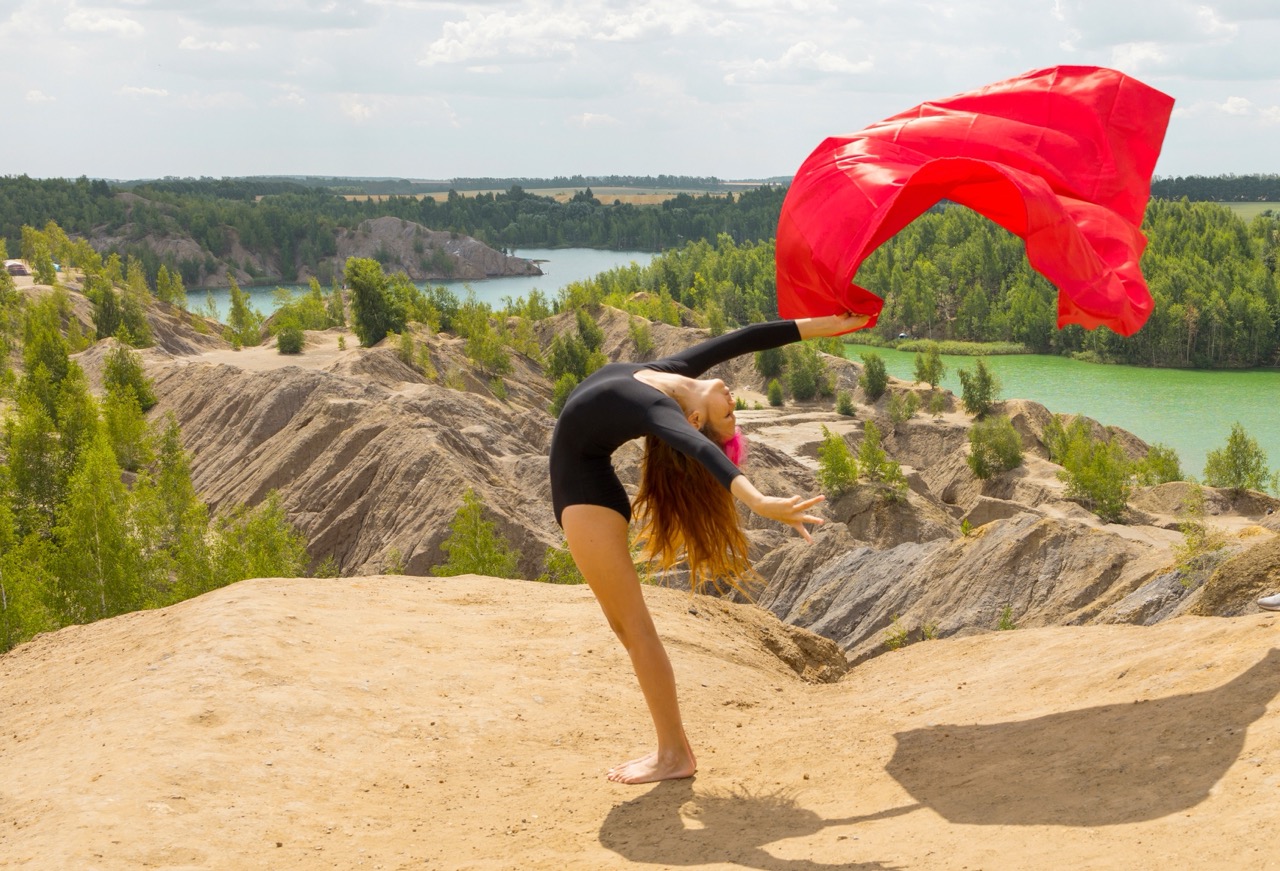






Dance has long been a form of artistic expression, transcending cultures and generations. Yet, beyond its aesthetic appeal, dance serves as a powerful catalyst for physical fitness. With its dynamic movements, rhythmic coordination, and diverse styles, dance not only entertains but also promotes physical well-being. This article explores the intricate relationship between dance and physical fitness, delving into how it enhances endurance, supports muscle health, and contributes to a holistic approach to fitness.
The Rhythm of Wellness: Dance as a Fitness Catalyst
Dance provides a unique combination of aerobic exercise and muscle conditioning, making it an effective fitness tool. Unlike traditional workouts, dance fosters an environment where individuals can engage in physical activity while expressing their creativity. This rhythmic movement elevates heart rates, improves cardiovascular health, and contributes to overall endurance. Participants often find that they are having so much fun that they forget they are exercising, creating a sustainable routine that can lead to long-term fitness goals.
Moreover, dance classes vary widely—from high-energy Zumba to the more structured ballet—which allows individuals to choose a style that resonates with their personal interests and fitness levels. This versatility means that people of all ages and physical capabilities can engage with dance, making it accessible and inclusive. The social aspect of group classes also fosters a sense of community, encouraging regular attendance and enhancing motivation to stick with a fitness regimen.
Additionally, the mental health benefits cannot be overlooked. Dance can reduce stress levels, improve mood, and boost self-esteem. The release of endorphins during dance provides a natural high that contributes to emotional well-being, which is just as vital as the physical benefits of exercise. This emotional uplift can motivate dancers to maintain a more active lifestyle, reinforcing the cycle of fitness and wellness.
Steps to Strength: How Dance Builds Physical Endurance
Endurance is a critical component of physical fitness that can be significantly improved through dance. Different styles of dance require varying levels of energy and stamina, challenging participants to push their limits. Whether it’s the fast-paced movements of hip-hop or the sustained sequences in contemporary dance, each form provides a unique workout that focuses on building the body’s capacity to sustain activity over time.
Regularly engaging in dance routines increases lung capacity and improves cardiovascular efficiency. As dancers learn to control their breath and maintain rhythm, they develop a greater awareness of their bodies, enabling them to dance longer without fatigue. This increased endurance translates well into other physical activities, making dancers well-rounded athletes who can engage in sports, hiking, or any prolonged physical engagement with ease.
Furthermore, the interval nature of many dance styles—where participants alternate between high-energy bursts and lower-intensity recovery—mirrors high-intensity interval training (HIIT). This approach not only boosts stamina but also enhances metabolic rates, enabling dancers to burn more calories both during and after their workout. As a result, dance serves as a multifaceted workout, cultivating endurance while keeping participants engaged and excited.
Grace Meets Gains: The Impact of Dance on Muscle Health
While many may view dance as purely an artistic endeavor, it plays a crucial role in building muscle health. Different dance styles emphasize various muscle groups, leading to well-rounded strength development. Ballet, for instance, focuses on core strength and leg muscles, while jazz and modern dance engage the upper body and improve overall body coordination. This diverse engagement contributes to balanced muscle development, reducing the risk of injury and enhancing functional strength.
The movements involved in dance also promote flexibility, agility, and balance—qualities that are essential for overall muscle health and athletic performance. By incorporating stretching and fluid motion, dancers cultivate a range of motion that benefits their physical capabilities outside of dance. This flexibility not only contributes to better performance in dance but also aids in everyday activities, making muscle health a vital aspect of one’s fitness journey.
Moreover, the strength gained through dance can lead to increased metabolic efficiency. As participants build muscle, their bodies become more adept at burning calories, even at rest. This metabolic boost can assist in weight management and contribute to a toned physique, further enhancing the aesthetic and health benefits of regular dance practice. In this way, dance not only cultivates grace but also promotes significant gains in physical strength and health.
Beyond the Floor: Dance’s Role in Holistic Fitness Journey
Dance offers profound benefits that extend beyond physical fitness, contributing to a holistic approach to health and well-being. Engaging with dance encourages the development of discipline, focus, and dedication—attributes that can positively influence other aspects of life. These characteristics often translate into improved performance in various activities, whether athletic or academic, fostering a comprehensive sense of achievement and growth.
Moreover, the emotional connection fostered through dance can serve as a powerful tool for self-expression and stress relief. In a world where mental health is increasingly prioritized, the cathartic nature of dance allows individuals to express their feelings creatively, helping to combat anxiety and depression. This emotional release enhances overall wellness, emphasizing that fitness is not merely about physical prowess but includes mental and emotional health as well.
Lastly, the community aspect of dance cannot be underestimated. Group classes and social dance events create opportunities for connection and camaraderie, building relationships and support networks that promote sustained engagement in fitness activities. This sense of belonging can inspire individuals to lead healthier lives, making dance a pivotal element in the quest for holistic well-being.
In conclusion, the relationship between dance and physical fitness is a rich tapestry woven from threads of endurance, strength, and emotional well-being. Dance serves not only as an enjoyable form of exercise but also as a catalyst for holistic fitness, enhancing muscle health and fostering a sense of community. By embracing dance as a primary component of their fitness journey, individuals can unlock a myriad of benefits that transcend traditional workouts, ultimately leading to a healthier and more fulfilling life. So whether you’re a seasoned dancer or a curious beginner, stepping onto the dance floor could be your next great leap toward wellness.