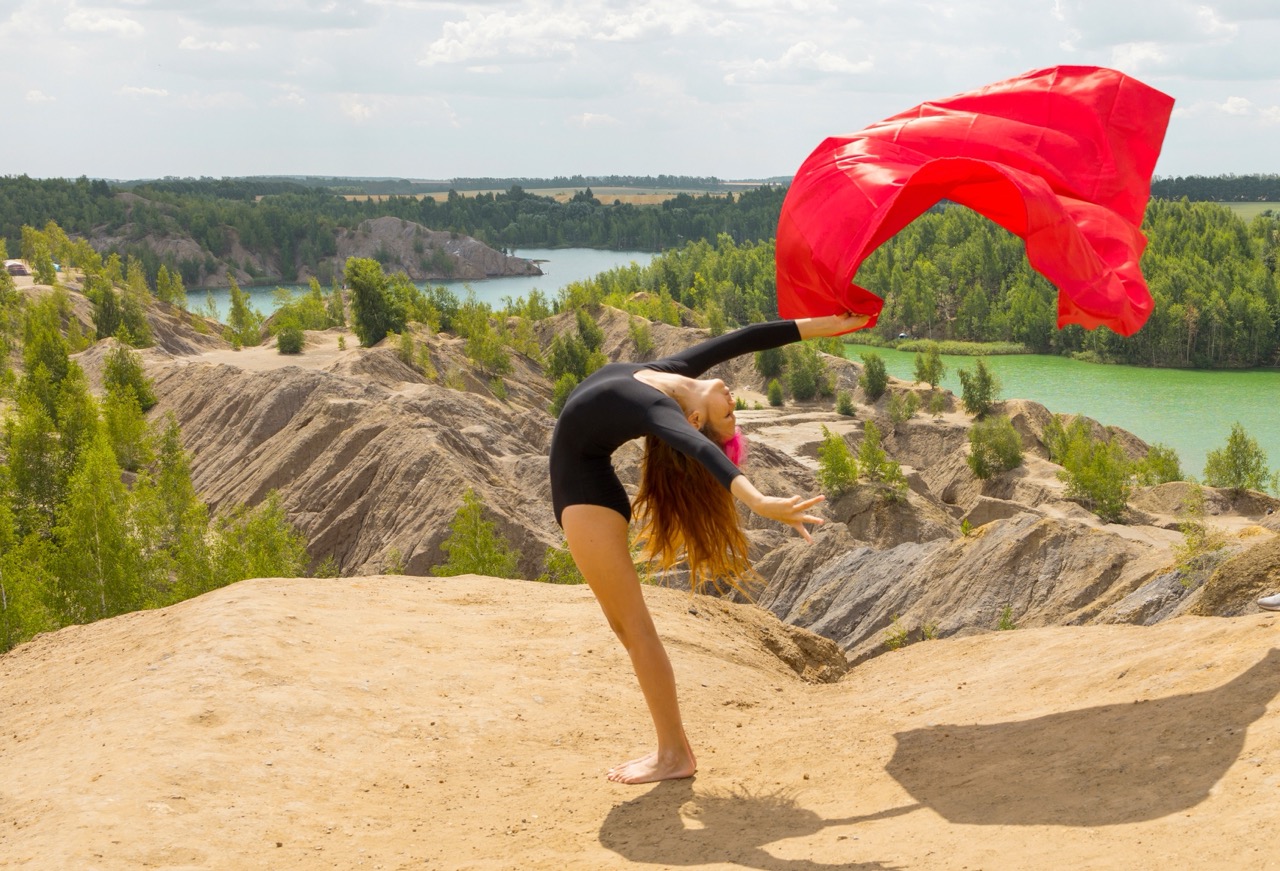





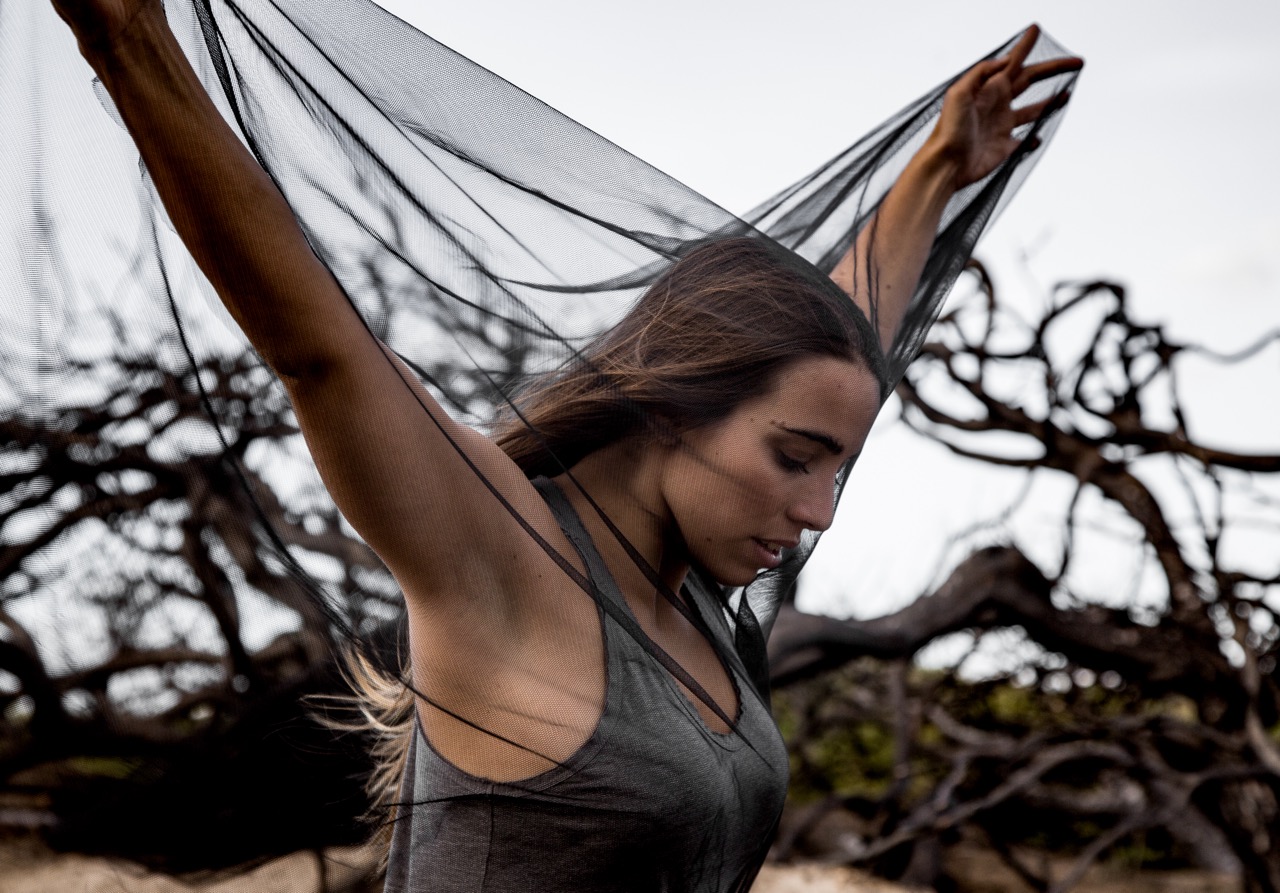
Dance is often perceived merely as a form of entertainment or a hobby, but its profound impact on education is a treasure trove waiting to be unlocked. In schools, where students are shaped not just academically but also socially and emotionally, introducing dance into the curriculum can transform the educational landscape. Dance offers a unique blend of physicality, creativity, and cultural expression that enriches the lives of students in numerous ways. This article explores the transformative power of dance in schools and why every student should have the opportunity to learn and engage in this expressive art form.
The Transformative Power of Dance in Education
Dance is an ancient form of communication and expression, capable of conveying emotions and stories without the need for words. When integrated into school curricula, dance can serve as a catalyst for learning, encouraging students to explore their creativity and think critically. Dance education invites students to interpret various themes, cultures, and histories through movement, allowing them to engage with the world in an immersive way. By linking dance to other subjects, such as history or literature, educators can create interdisciplinary lessons that deepen students’ understanding and appreciation of different cultures and ideas.
Moreover, dance encourages students to develop a growth mindset. As they learn choreography, they face challenges that require perseverance, dedication, and resilience. Overcoming mistakes and mastering new steps cultivates a sense of achievement that transcends the dance floor, instilling a belief in their ability to overcome obstacles in all areas of their lives. This transformative process not only enhances their dance skills but also equips them with vital life skills such as discipline, teamwork, and adaptability.
Finally, dance education fosters a sense of belonging and identity among students. As they engage in collaborative performances, they build strong connections with their peers, reinforcing social bonds and creating a supportive environment. The collaborative nature of dance encourages students to appreciate diversity and develop empathy for others, as they learn to respect individual differences while working harmoniously towards a common goal. In this way, dance becomes a powerful tool for personal and communal transformation within the school setting.
Boosting Confidence and Self-Expression Through Movement
Dance is a powerful medium for self-expression that allows students to articulate their feelings and thoughts in a way that words often cannot. In a world where many young people struggle to find their voice, dance provides an outlet for exploration and creativity. Through movement, students can convey their moods, experiences, and identities, empowering them to assert themselves in a positive manner. This form of expression can be especially vital for students who may feel marginalized or unheard in traditional educational settings.
As students learn to dance, they also cultivate confidence in their abilities. Mastering new steps, performing in front of an audience, or even just moving freely to music can significantly boost self-esteem. This newfound confidence carries over into other aspects of their lives—whether it’s participating in class discussions or engaging in extracurricular activities. The sense of accomplishment that comes from dancing fosters a positive self-image, helping students to view themselves as capable and worthy individuals.
Moreover, the ability to express oneself through dance can have therapeutic benefits. For many students, particularly those facing emotional challenges or mental health issues, dance serves as a release valve for stress and anxiety. The combination of physical activity and creative expression allows students to process their emotions and find relief from the pressures of academic life. In this way, dance not only enhances self-expression but also promotes emotional well-being and resilience, vital components for success in and out of the classroom.
Enhancing Physical Health and Academic Performance
Engaging in dance is an excellent way for students to improve their physical health. Dance incorporates various forms of movement, promoting cardiovascular fitness, coordination, flexibility, and strength. As students move to music, they are not just enjoying themselves; they are also developing a healthier lifestyle that encourages bodily awareness and physical activity. Given the alarming rise of sedentary behavior among youth, integrating dance into school programs offers a fun and dynamic solution to instill healthy habits from an early age.
Furthermore, the physical benefits of dance extend to academic performance. Research has consistently shown that regular physical activity boosts cognitive function, enhances memory, and improves concentration. When students participate in dance, they are more likely to experience increased focus and engagement in their studies. The rhythmic patterns and timing involved in dance can sharpen their learning capabilities, helping them grasp complex concepts across subjects such as math, science, and language arts.
Additionally, dance education fosters a sense of commitment and routine, as students must dedicate time and effort to mastering their skills. This discipline translates into their academic endeavors, encouraging a strong work ethic and a proactive approach to learning. By nurturing both physical health and cognitive development, dance in schools contributes to a holistic educational experience that prepares students for success in all facets of life.
Building Community: Dance as a Unifying Force in Schools
Dance has an extraordinary ability to bring people together, creating a sense of community and shared purpose among students. In schools, where friendships and connections are vital to a student’s experience, dance can serve as an important tool for social cohesion. Group dance classes, performances, and competitions foster collaboration, teamwork, and mutual respect, allowing students to bond over a shared passion. This sense of belonging is crucial for developing a positive school culture where diversity is celebrated.
Moreover, dance often incorporates elements from various cultures, providing an opportunity for students to celebrate their heritage and learn about the traditions of others. This cross-cultural engagement enriches the school community, promoting inclusivity and understanding. By participating in different dance forms, students can explore the history and significance behind each style, encouraging cultural exchange and appreciation. This not only broadens their horizons but also fosters a more empathetic and open-minded generation.
Finally, community events centered around dance, such as showcases or fundraisers, encourage parental involvement and engagement with the wider community. These events create a vibrant atmosphere where families and friends come together to support students, reinforcing the idea that education extends beyond the classroom. By uniting individuals through the art of dance, schools can cultivate an environment of collaboration, respect, and joy, ultimately enhancing the overall educational experience for all students.
In conclusion, the inclusion of dance in school curricula offers countless benefits that extend far beyond the dance floor. From enhancing self-expression and confidence to improving physical health and academic performance, dance serves as a powerful tool for personal and communal growth. By uniting students through movement and creativity, dance fosters an enriching educational environment that prepares young people for success in all areas of life. As we advocate for holistic educational approaches, it becomes increasingly clear that every student should have the opportunity to learn and express themselves through the transformative art of dance.