

In the realm of dance, the body is the primary instrument through which stories are told, emotions are conveyed, and cultures are expressed. However, the incorporation of props and elements, such as wings, can elevate the art form to new heights. Wings—whether they are crafted from fabric, feathers, or even digital projections—add a layer of complexity and beauty to choreography. This article explores the multifaceted impact of wings on dance, examining their role as a choreographic element, their power to enhance narratives, the intricacies of designing performances around them, and the future possibilities they hold in the evolving landscape of dance.
The Art of Movement: Wings as a Choreographic Element
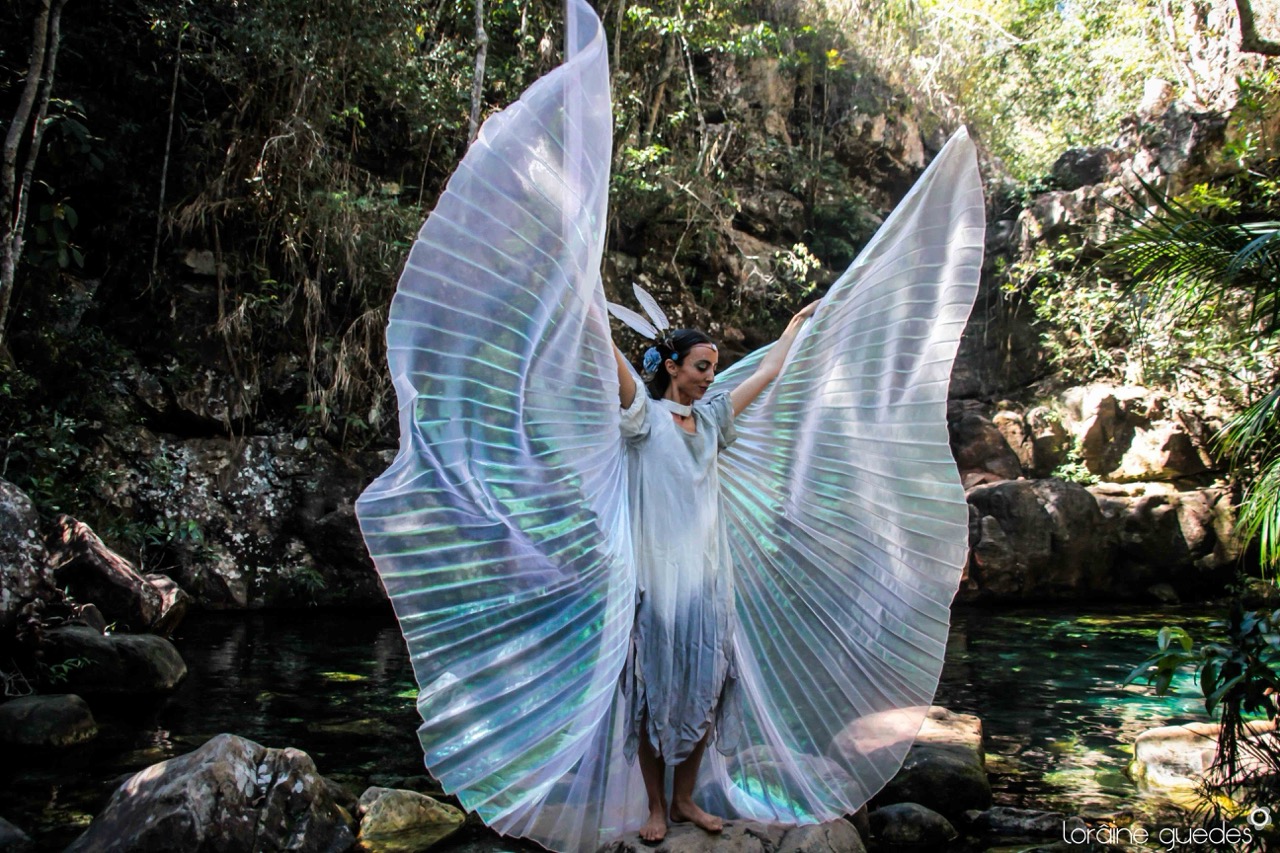
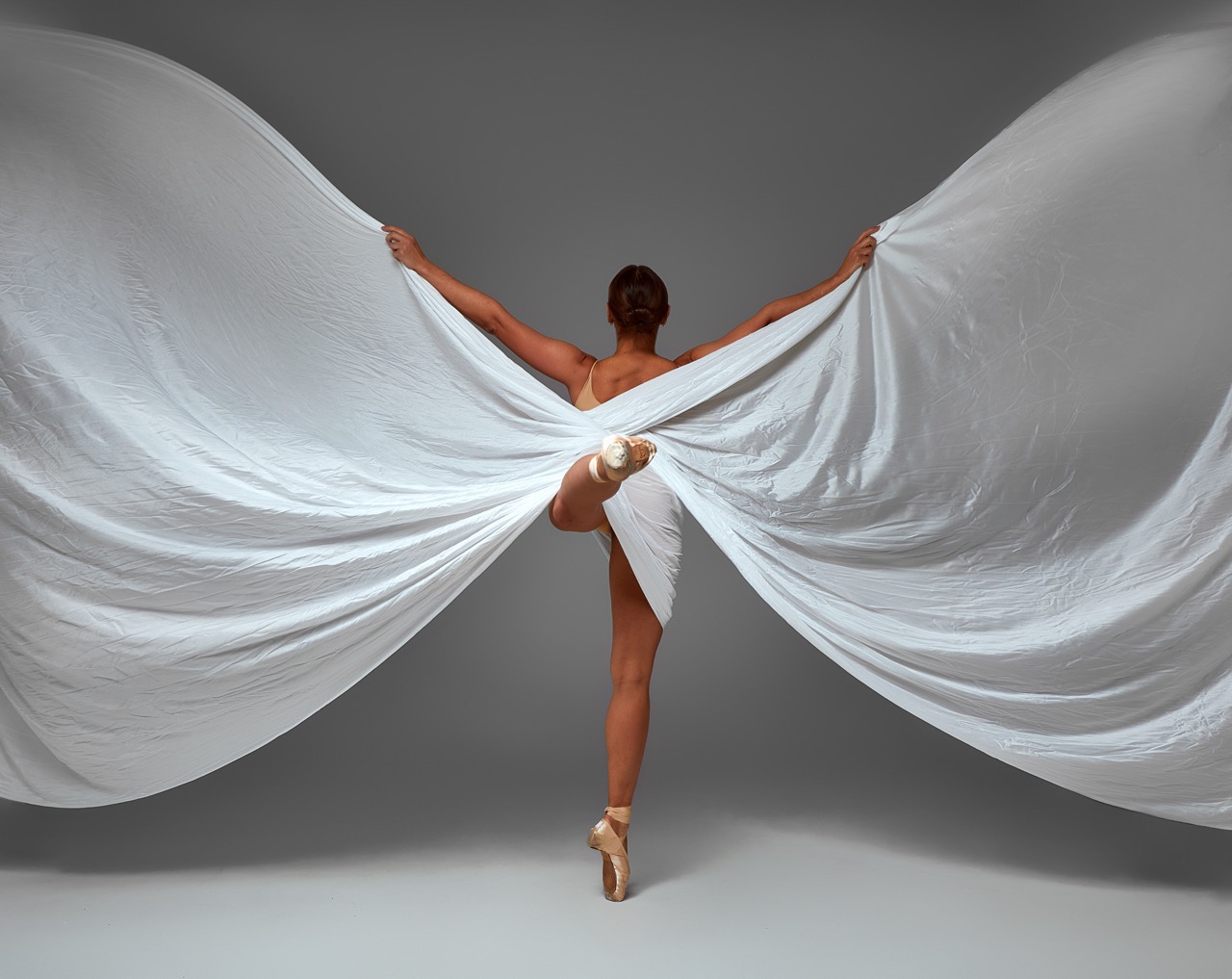
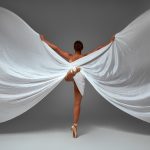
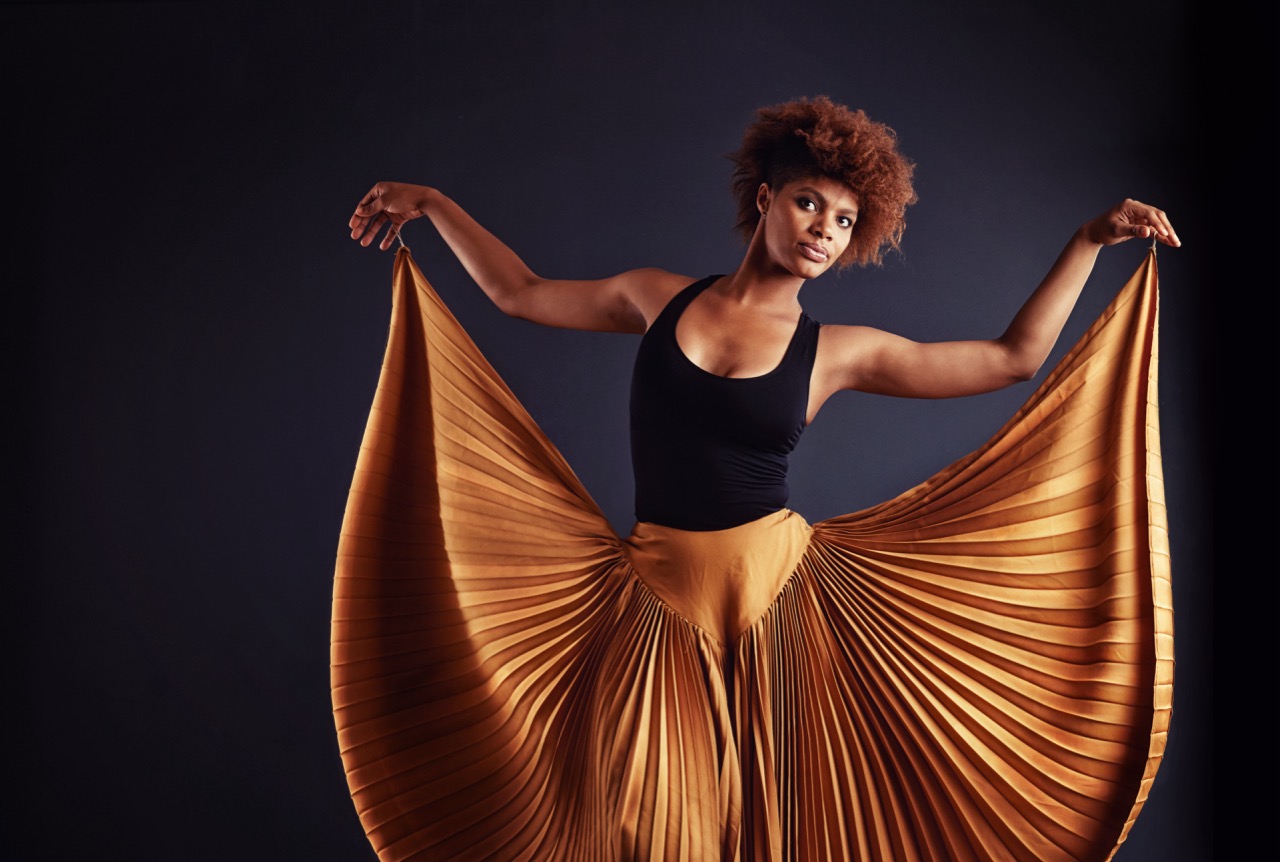
Wings in dance serve as a captivating choreographic element, transforming ordinary movements into extraordinary displays of grace and fluidity. The sheer presence of wings offers dancers an opportunity to explore new dimensions of movement; they can create sweeping arcs and dynamic lines that extend the reach of the human body. For choreographers, wings present a canvas upon which to paint intricate patterns, allowing for a dialogue between the dancer’s physicality and the additional visual language provided by the wings.
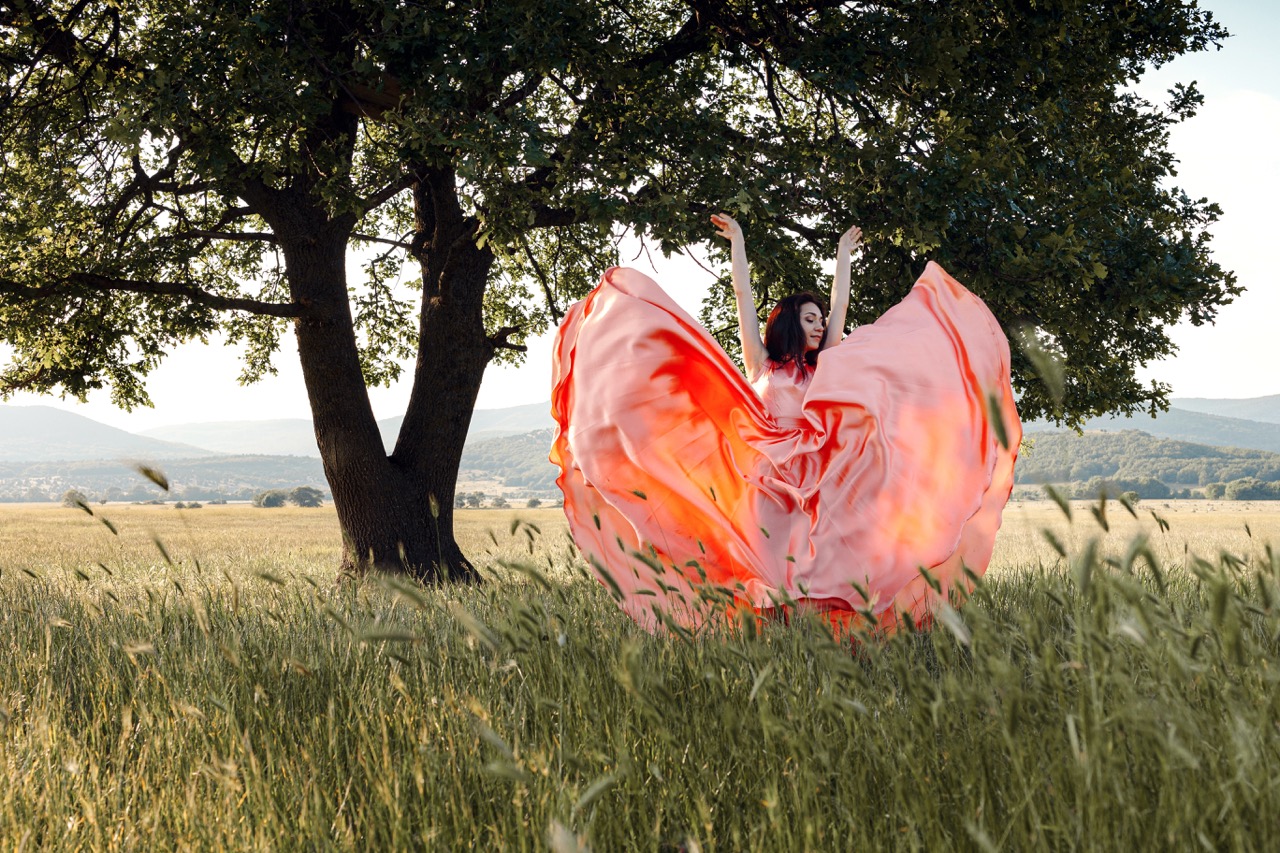
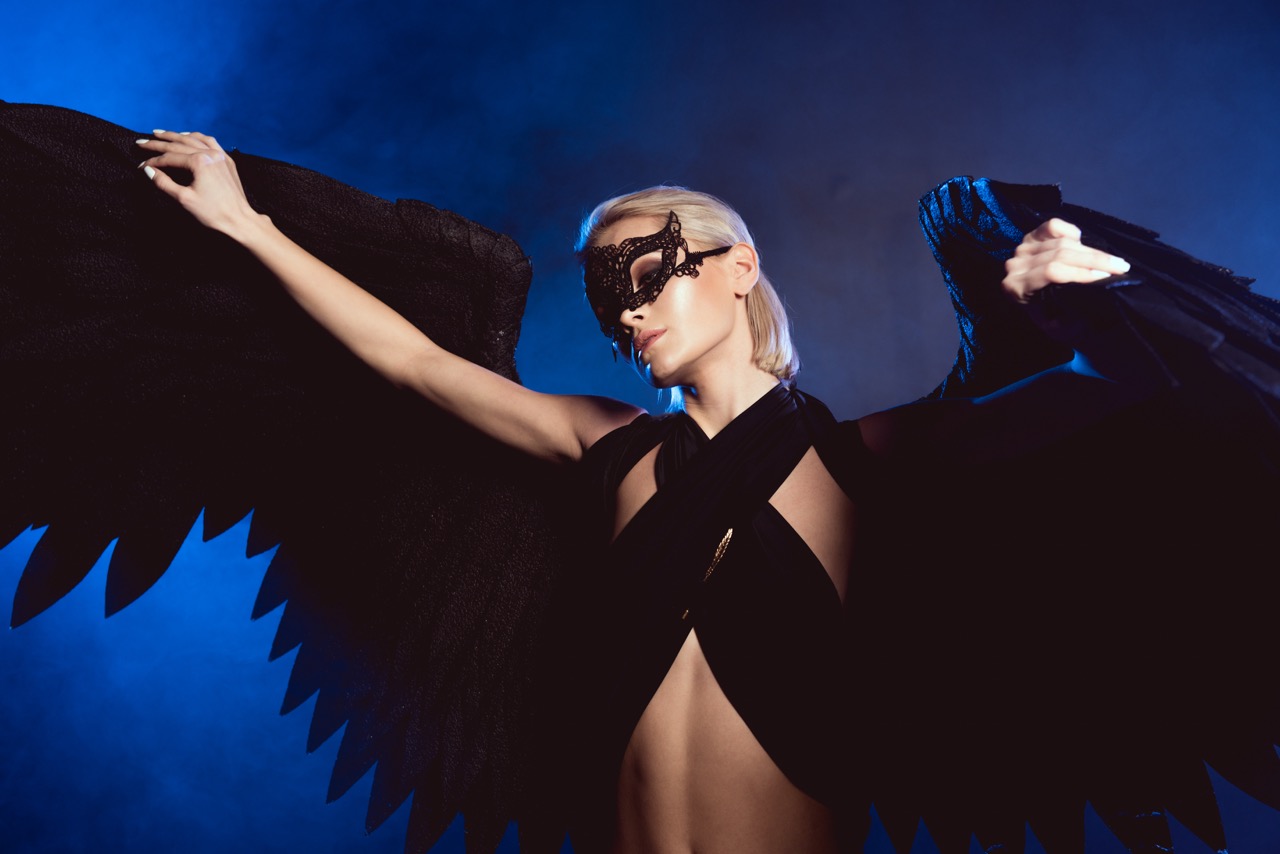
Moreover, the materials used to create wings can significantly influence the choreography itself. Heavy, ornate wings might necessitate slower, more deliberate movements that emphasize weight and resistance, while lightweight, airy wings allow for rapid, buoyant motions that convey a sense of freedom and liberation. This interplay between wings and movement not only enriches the choreography but also engages the audience’s senses, providing a feast for the eyes and emotions.
The incorporation of wings can also challenge dancers to push their physical boundaries. Training for winged performances often requires dancers to develop greater strength, coordination, and awareness of spatial dynamics. As they adapt their techniques to accommodate the wings, dancers cultivate a deeper connection with their own bodies and the choreography, leading to a more profound performance experience that resonates with both the performers and the audience.
Elevating Expression: How Wings Transform Dance Narratives
The narrative potential of wings in dance is remarkable, providing a powerful symbol that can convey themes of transformation, freedom, and transcendence. For instance, the imagery of flight has long been associated with liberation, and incorporating wings into a performance can take the audience on a journey through emotions that range from longing to elation. Each flap and flutter of the wings can articulate subtleties of the narrative, enhancing the storytelling aspect of the choreography.
Choreographers often use wings to reflect character development within a dance piece. For instance, a character who begins in a constrained, grounded state may gradually attain an expansive, soaring quality as they embrace the wings. This visual metaphor not only enhances the emotional depth of the performance but also allows the audience to engage more fully with the character’s journey. As the wings unfold, so too do the layers of the story, making the performance resonate on a visceral level.
Furthermore, wings can transcend cultural boundaries, allowing for cross-cultural interpretations of similar themes. Different cultures use wings symbolically in various ways—angels, birds, and insects all represent aspects of human experience that dance can explore. By incorporating wings into choreography, dancers can tap into these rich symbolic histories, adding depth to their narratives and fostering a shared understanding among diverse audiences.
From Concept to Stage: Designing Winged Dance Performances
Designing dance performances that incorporate wings involves a meticulous process that bridges artistic vision and practical execution. The initial concept begins with the choreographer’s vision, considering how wings will enhance the overall theme and message of the piece. This stage requires thoughtful decisions about the type and design of wings, ensuring they align with the choreography’s aesthetic and narrative goals.
The practical aspects of wing design are equally crucial. Factors such as weight, ease of movement, and visual impact must all be considered. Choreographers might collaborate with costume designers to create wings that are not only visually stunning but also functional, allowing for a seamless integration into the dancers’ movements. This collaboration often leads to innovative designs that challenge conventional notions of both costume and choreography.
Rehearsals become a vital testing ground for the concept. Dancers must acclimate to the presence of wings, adapting their techniques and movements accordingly. This process often reveals unforeseen challenges—like spatial awareness and timing—that must be addressed. Ultimately, the culmination of these efforts leads to a performance that is both stunning and cohesive, where the wings become an intrinsic part of the choreography, elevating the entire artistic experience.
The Future of Dance: Innovating with Winged Aesthetics
As technology continues to evolve, the future of dance promises exciting innovations in winged aesthetics. Digital projections and augmented reality can create the illusion of wings, enabling choreographers to explore concepts that go beyond physical limitations. Imagine a dancer who appears to have wings that morph in color and shape, complementing their movements and adding a new layer of visual storytelling. This technological integration could allow for an entirely new spectrum of creativity within dance.
Moreover, the resurgence of aerial and circus arts has inspired dancers to incorporate aerial choreography into their routines, often using wing-like apparatuses that enhance the feeling of flight. This trend not only introduces a new physicality to dance but also invites audiences to witness the extraordinary possibilities of human movement. As these forms continue to blend, they pave the way for hybrid performances that challenge traditional boundaries and redefine dance.
Lastly, the exploration of sustainability in performance design is becoming increasingly relevant. Choreographers and designers are seeking out eco-friendly materials for wings, allowing for a more conscious approach to artistry that resonates with modern audiences. Such innovations not only reflect the artists’ commitment to environmental stewardship but also inspire a new generation of dancers to consider the impact of their art on the world, promising a future where dance, creativity, and responsibility coalesce.
In conclusion, the impact of wings on dance choreography extends far beyond mere aesthetics; they are transformative elements that enhance expression, deepen narratives, and challenge both performers and creators alike. As we look to the future, the integration of innovative designs and technologies ensures that the role of wings in dance will continue to evolve, pushing the boundaries of creativity and imagination. Through their elegance and symbolism, wings will undoubtedly remain a vital aspect of the dance landscape, inspiring dancers and audiences to dream, soar, and embrace the art of movement in all its forms.