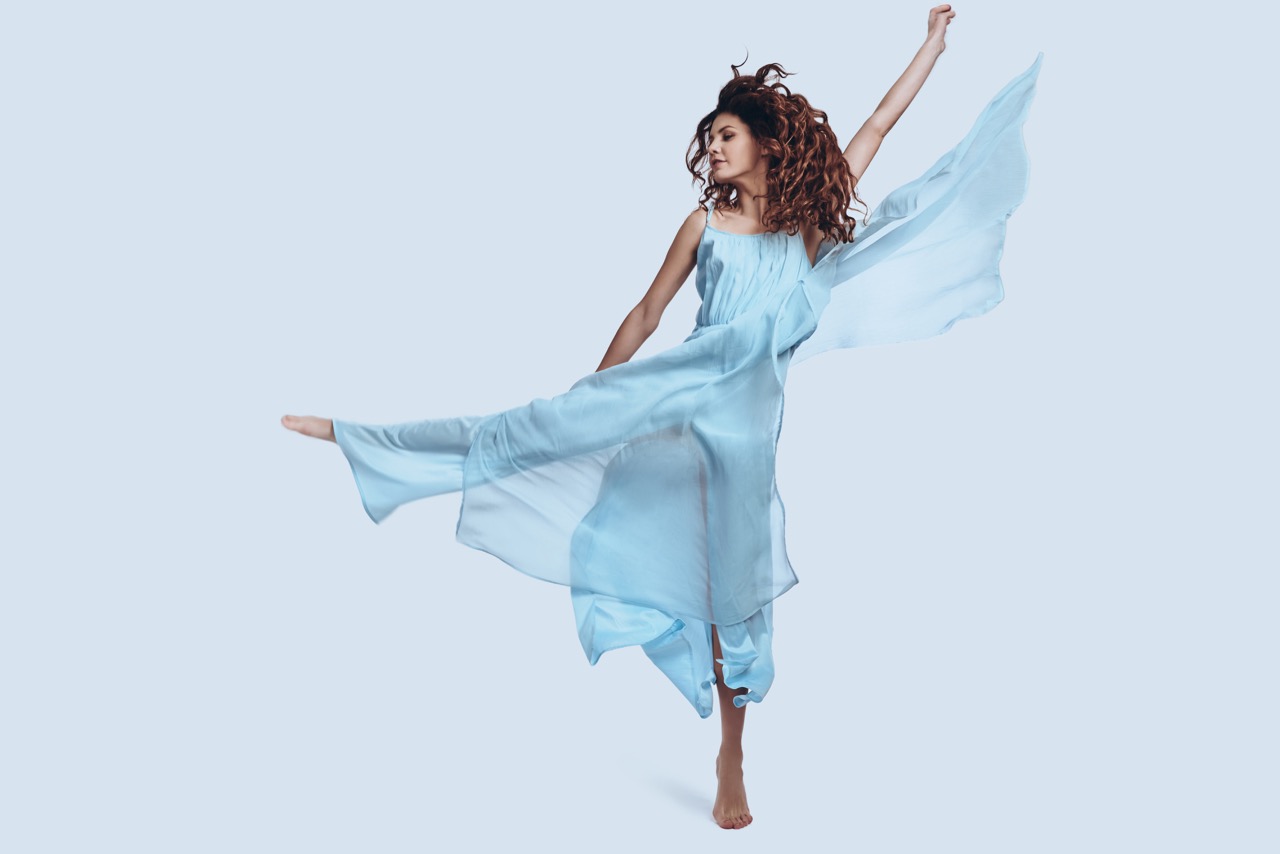



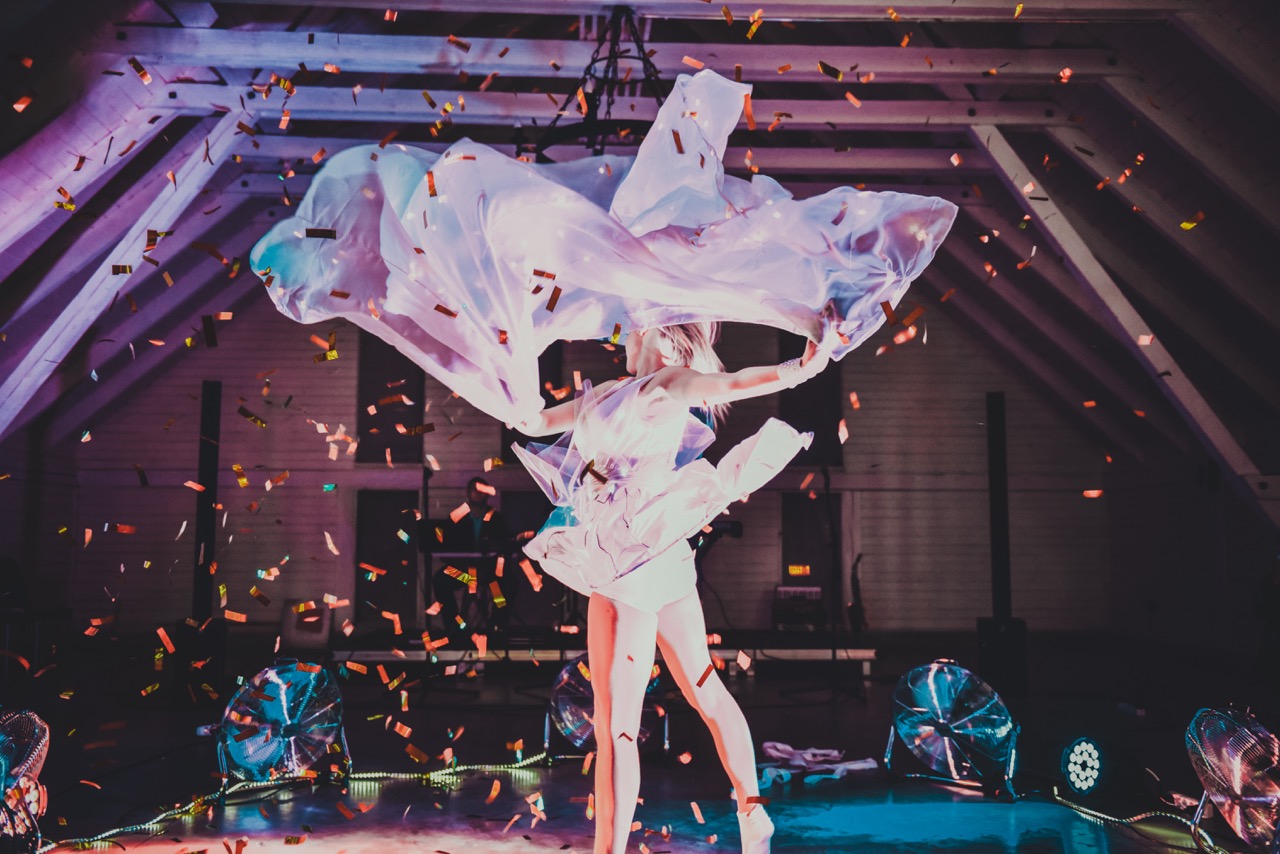
In an ever-evolving technological landscape, the dance world finds itself at a pivotal juncture. The emergence of digital tools and platforms has redefined artistic expressions, making way for innovative formats and enhanced audience engagement. Among these advancements, the concept of "dance wings"—a metaphor for the tools, techniques, and avenues dancers utilize to soar in their craft—has taken on new meanings. As we look ahead, it’s essential to explore how the digital era shapes the future of dance and the myriad possibilities that lie ahead for dancers and audiences alike.
Embracing Innovation: Dance Wings in a Digital World
The digital revolution has ushered in an era where innovation and creativity intertwine more than ever. Dancers are discovering new avenues to express themselves beyond conventional performance spaces. With the rise of augmented reality (AR) and virtual reality (VR), artists are using technology as a canvas to explore immersive storytelling, allowing audiences to engage with their art in previously unimaginable ways. This paradigm shift is not just about creating visually stunning performances; it’s about reshaping the very essence of dance.
In this digital landscape, social media platforms play a pivotal role in amplifying the reach of dance artists. Artists can now share their work globally, transcending geographical boundaries and fostering a sense of community amongst diverse dance cultures. The ballet dancer in Brooklyn can connect with a hip-hop performer in Tokyo, all while collaborating on projects that celebrate their unique styles. This cross-pollination of ideas and techniques is akin to giving wings to dance, enabling a fusion of creativity that celebrates individual expression while honoring collective heritage.
Furthermore, the democratization of dance education is another significant aspect of this digital transformation. Online platforms and tutorials have made it possible for aspiring dancers to learn from seasoned professionals, regardless of their location or financial constraints. As a result, the barriers to entry in the world of dance are lowered, opening doors for a multitude of voices and perspectives, which enriches the art form. This embrace of innovation serves as a powerful reminder of how technology can enhance, rather than dilute, the essence of dance.
The Fusion of Tradition and Technology in Dance Performance
As dance evolves, we witness a fascinating juxtaposition of tradition and technology. While contemporary forms of dance often embrace modern music and digital backgrounds, traditional dance styles are also finding new life through technological integration. Instruments and soundscapes that were once confined to live performances can now be digitized, allowing for innovative sound arrangements that enhance the choreography. This fusion enriches the storytelling aspect of dance, providing a multi-dimensional experience that resonates with diverse audiences.
Moreover, choreographers are increasingly incorporating video projections and interactive elements into their performances. By bridging the gap between the physical and digital realms, they create immersive experiences that captivate viewers. Imagine watching a traditional folk dance where the backdrop dynamically changes to reflect cultural narratives, enhancing the performance’s emotional depth. This harmonious blend of old and new not only preserves artistic heritage but also invites new interpretations and forms of engagement.
This merging of tradition and technology ignites conversations about authenticity in the dance world. While some purists may resist the changes, others embrace the opportunity to reinterpret classical forms through a contemporary lens. This discourse fosters a culture of innovation, encouraging artists to question conventions and push boundaries, ultimately enriching the tapestry of dance. The result is a vibrant, evolving art form that honors its roots while simultaneously looking forward.
Virtual Stages: Redefining Spaces for Dance Expression
The advent of virtual stages represents one of the most revolutionary changes in the dance landscape. No longer limited to physical theaters, performances can now be streamed live to audiences worldwide, breaking down geographical barriers. This shift not only allows for broader audience engagement but also supports a more inclusive environment for artists who may not have access to traditional venues. Dancers can now showcase their talents from the comfort of their own homes, creating an intimate connection with viewers that transcends the traditional stage experience.
Virtual stages also encourage innovative choreography that takes advantage of the digital format. Artists can play with spatial dynamics, utilizing various perspectives and angles that would be impossible in a physical theater. This flexibility invites choreographers to experiment with their craft, pushing the boundaries of what dance can be. The result is an exciting new genre of performance art that marries the fluidity of dance with the rigidity of digital design.
Additionally, virtual stages offer unique opportunities for collaboration among artists across disciplines. Dancers, visual artists, and technologists can come together to create multimedia performances that blend movement with visual and auditory elements. This interdisciplinary approach not only enriches the artistic experience but also fosters a collaborative community focused on innovation and creativity. Virtual stages are redefining what it means to perform, encouraging artists to explore new possibilities in dance expression.
Future Trends: What Lies Ahead for Dance Wings and Artists
Looking ahead, the future of dance wings in the digital era is bright and full of potential. As technology continues to advance, we can expect further integration of artificial intelligence (AI) in dance creation and performance. AI-driven algorithms could assist choreographers in generating unique movement patterns or even analyzing audience reactions in real time, tailoring performances to maximize emotional impact. This technology could revolutionize how we think about choreography, providing tools that enhance the creative process while preserving the human element at its core.
Additionally, the rise of blockchain technology may redefine ownership and monetization in the dance industry. As dancers increasingly share their work online, intellectual property rights can become complex. Blockchain offers a transparent solution for artists to secure ownership of their creations, enabling them to earn revenue through digital sales and microtransactions. This shift could empower dancers, allowing them to thrive financially in a landscape where traditional funding avenues are often limited.
Lastly, as the concept of community continues to evolve, we may see a surge in collaborative virtual dance festivals and competitions, providing platforms for artists to showcase their talents and connect with audiences worldwide. These events could celebrate diversity in dance, highlighting various styles and cultural backgrounds, ultimately fostering a richer appreciation for the art form. In this digital age, dance wings will not only enable individual artists to soar but also bring communities together, creating a tapestry of movement that resonates with a global audience.
As we navigate through the digital era, the future of dance wings appears vibrant and full of promise. The intersection of technology and tradition presents exciting opportunities for artistic expression and innovation, as dancers adapt to new mediums and redefine performance spaces. The evolution of virtual stages and the potential for collaborative projects signal a shift toward a more inclusive and dynamic dance community. Ultimately, as artists continue to embrace these changes, they will not only elevate their craft but also inspire future generations to explore the limitless possibilities of dance in a digital world.