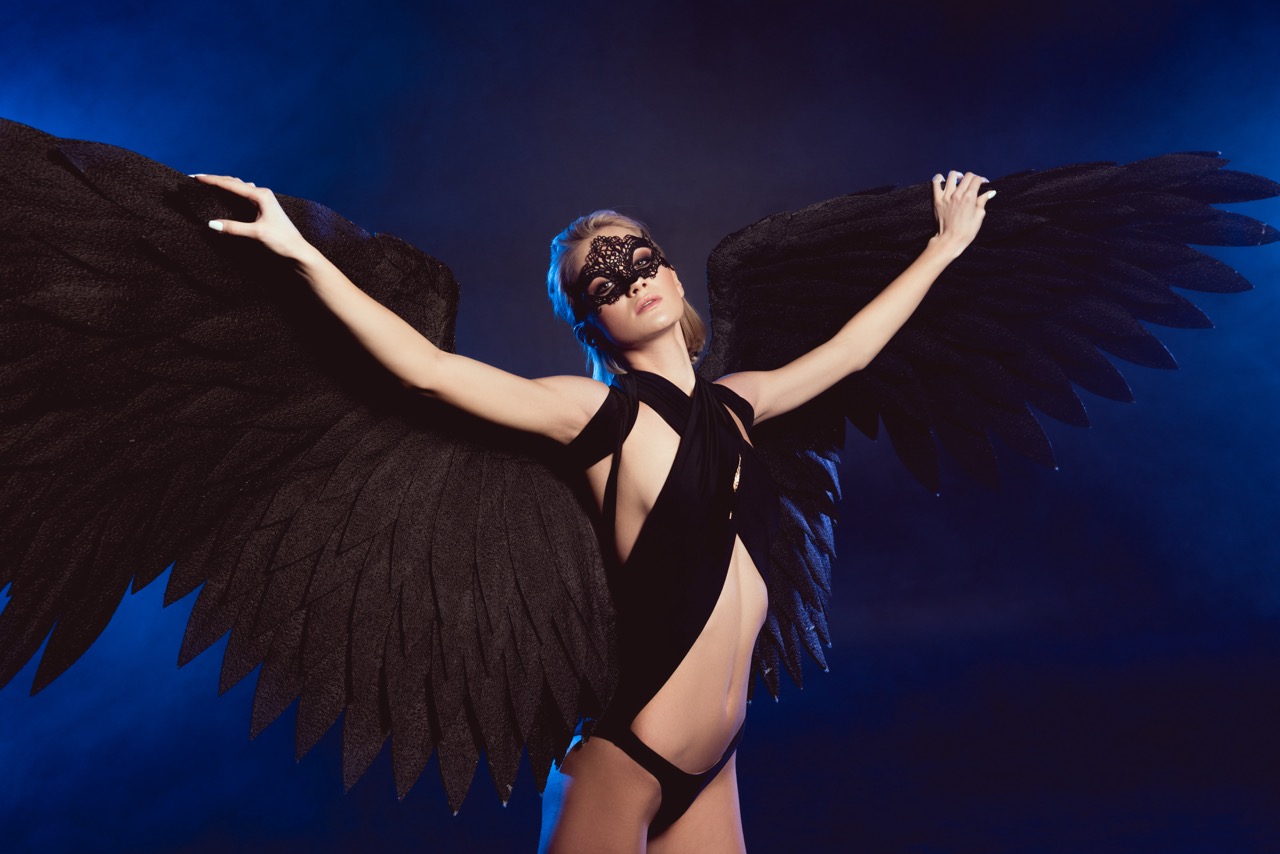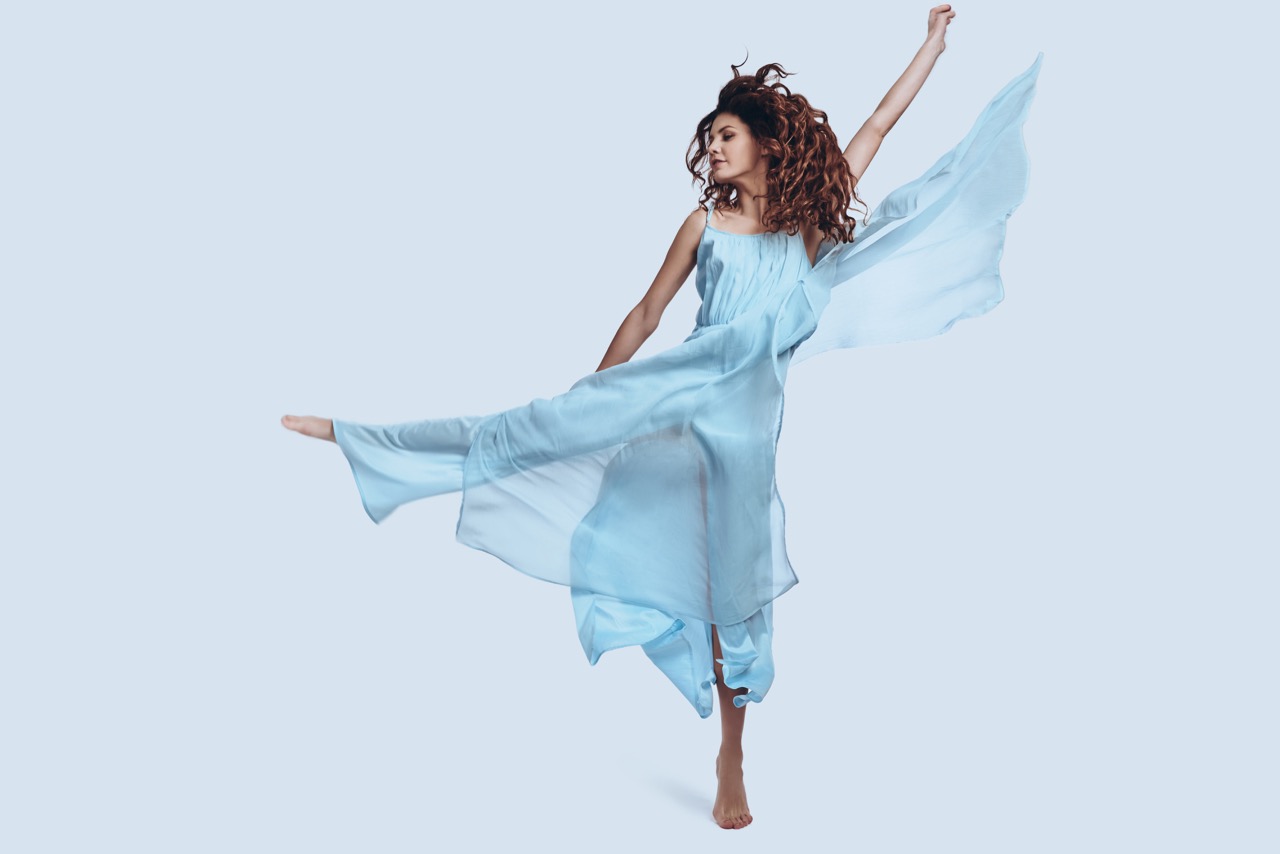


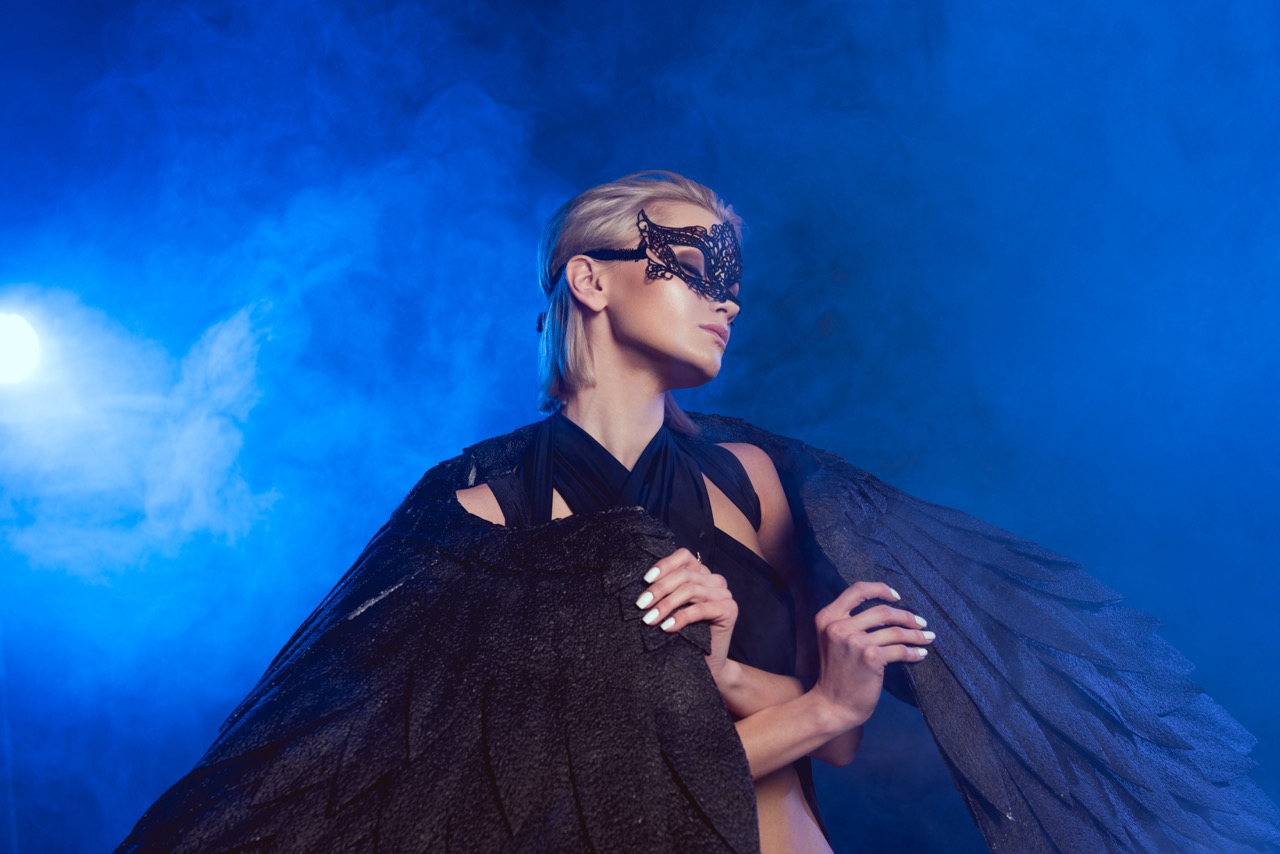
In the realm of performance art, the fusion of technology with traditional forms has always sparked innovation and creativity. Today, one of the most exciting advancements is the use of drones and aerial technology in dance. The integration of these aerial devices with dance wings is not just a novel idea; it’s a revolution that opens up new avenues for expression, storytelling, and audience engagement. As dancers take to the skies, they bring a fresh perspective to movement art, forging a compelling synergy between the physical and the digital realms.
Unleashing Creativity: Drones Transforming Dance Wings
The traditional concept of dance wings has always been one of beauty and grace, often limited to what the dancer could achieve on the ground. However, with the advent of drones, these wings are taking flight—literally. Drones equipped with lights and cameras can enhance the visual spectacle, allowing for a more immersive experience that captivates audiences. By integrating drones into performances, choreographers can develop intricate patterns and movements that are not confined by gravity, enabling the exploration of new aesthetics and visual narratives.
Moreover, the ability to manipulate drones in real-time adds a dynamic element to dance. Dancers can interact with these flying devices, creating a dialogue between human movement and mechanical agility. This interplay encourages choreographers to think outside the box, pushing the boundaries of traditional choreography. The use of drones also allows for the incorporation of multimedia elements, where projections and lighting can be synchronized with aerial movements, enhancing the overall artistic vision.
The creative possibilities are not just limited to the performance itself; they extend to rehearsal and training as well. Dancers can utilize drones to capture their movements from unique angles, providing insights that were previously difficult to attain. This technology enables dancers to refine their techniques and explore spatial awareness in ways that were once only dreamt of, leading to a deeper understanding of their craft and an evolution of the art form.
A New Dimension: Aerial Technology Elevates Movement Art
As aerial technology continues to advance, it introduces a new dimension to dance that challenges conventional notions of performance. The ability to soar through the air changes the relationship between the dancer and the audience, allowing for a more interactive viewing experience. Drones can provide live feeds that display performances from extraordinary viewpoints, offering spectators an unprecedented perspective of the artistry being showcased. This not only enhances audience engagement but also democratizes the viewing experience, as performances can be streamed online, transcending geographical limitations.
Additionally, the integration of augmented reality (AR) and virtual reality (VR) opens up further dimensions for movement art. Dancers can perform in virtual environments, where their movements are complemented by digital elements that react to their choreography. This interplay between the physical and the digital not only enhances the visual experience but also allows performers to create entirely new worlds, inviting audiences to enter realms previously unimagined. By harnessing these technologies, dancers can create stories that resonate on multiple levels, merging the emotional impact of performance with the limitless possibilities of digital storytelling.
Furthermore, aerial technology provides opportunities for collaboration across various disciplines. Artists, technologists, and choreographers can come together to explore the intersection of movement, sound, and visual design. Such collaborations foster an environment of experimentation, where innovative concepts can flourish. This blending of creativity cultivates a vibrant artistic landscape that encourages the evolution of dance, expanding its reach beyond traditional boundaries and appealing to a wider audience.
Choreographing the Sky: Drones in Dance Performance
The integration of drones into live performances has sparked a new wave of creativity among choreographers. By utilizing drones to augment the physical presence of dancers, performances become multi-layered experiences that engage the audience on different sensory levels. Imagine a dancer executing delicate movements while synchronized drones orbit around them, illuminating the stage with a kaleidoscope of colors. This fusion of human artistry and aerial technology creates an enchanting spectacle that is both mesmerizing and thought-provoking.
Choreographing with drones requires a new set of skills and considerations. Dancers must learn to incorporate the presence of the aerial devices into their movements, creating a cohesive performance that flows seamlessly. This symbiotic relationship between dancer and drone is not merely about aesthetics; it also involves understanding timing, spatial awareness, and the dynamics of interaction. As choreographers experiment with these elements, they pave the way for a new genre of aerial choreography that pushes the boundaries of traditional dance.
Moreover, the possibilities for storytelling through drone-enhanced performances are vast. By using drones to manipulate lighting or create visual effects, choreographers can evoke different moods and themes, deepening the emotional impact of the piece. The versatility of drones in dance allows for nuanced storytelling that reflects contemporary societal issues or personal narratives, enabling artists to articulate complex ideas through movement. As this innovative approach continues to evolve, it is likely that we will witness performances that challenge perceptions and inspire dialogue in ways that resonate with audiences far and wide.
The Future of Dance: Merging Artistry with Innovation
As we look toward the future, it is clear that the marriage of dance and technology will continue to evolve, shaping the landscape of performance art for years to come. The incorporation of drones and aerial technology is just the beginning of a broader trend that embraces innovation while honoring the artistry of dance. As more artists experiment with these tools, we can expect to see an explosion of creativity that blurs the lines between the physical and the digital, the performer and the audience.
Moreover, the accessibility of drone technology is likely to democratize the art form, allowing a diverse range of artists to participate in this cultural shift. As drones become more affordable and user-friendly, emerging dancers can experiment with aerial choreography without needing extensive resources. This opens up opportunities for collaboration and creativity among artists from different backgrounds and disciplines, fostering a rich tapestry of expression that reflects the complexities of contemporary life.
Ultimately, the integration of drones and aerial technology into dance represents a significant milestone in the evolution of performance art. By pushing the boundaries of what is possible, artists are not only redefining dance but also inviting audiences to engage with it in new and meaningful ways. As we embrace this innovative future, we can look forward to witnessing performances that challenge conventions, spark imagination, and inspire future generations of creatives.
The fusion of drones and aerial technology with dance wings is not just a trend; it is a transformative movement that redefines the very essence of performance art. As this innovative landscape continues to unfold, it promises to enrich our cultural experiences, offering fresh perspectives and compelling narratives that resonate with audiences. The future of dance is bright, and with each new flight, it invites us to dream larger, move bolder, and explore the infinite possibilities of creativity.