





In the ever-evolving world of dance, the fusion of traditional artistry with cutting-edge technology is leading to remarkable transformations. One of the most exciting innovations in recent years is the advent of 3D-printed dance wings. These stunning creations are not only redefining the aesthetic dimensions of dance but also enhancing the performers’ ability to express emotions and narratives through movement. This article explores how 3D-printed dance wings are reshaping the artistic landscape, enabling dancers to break free from conventional limitations and embrace a new era of creativity.
The Evolution of Dance: Merging Art with Technology
Dance has always been a dynamic form of expression, evolving with the times and absorbing influences from various cultures and technologies. From the fluid movements of classical ballet to the provocative rhythms of contemporary dance, performers have continually found ways to push boundaries and explore new avenues of expression. With the rise of technology, particularly 3D printing, dancers are now able to integrate innovative materials and designs into their performances, leading to a fascinating convergence of art and science.
The introduction of 3D printing into the dance world marks a significant shift in how costumes and props are conceived and created. Traditionally, dancers relied on fabric and limited design options that could often restrict their movements. However, with 3D printing, choreographers and designers can experiment with complex shapes, intricate patterns, and lightweight materials that promise enhanced mobility and visual impact. This technology allows for personalized designs tailored to the individual dancer’s style, making each performance a unique spectacle.
As artists continue to explore this new frontier, the rich interplay between dance and technology inspires an entire generation of dancers and choreographers to rethink their artistic possibilities. The ability to produce one-of-a-kind dance wings that resonate with personal narratives not only revitalizes performances but also invites audiences to witness a new kind of storytelling—one that merges human creativity with technological innovation.
Unleashing Creativity: The Magic of 3D-Printed Wings
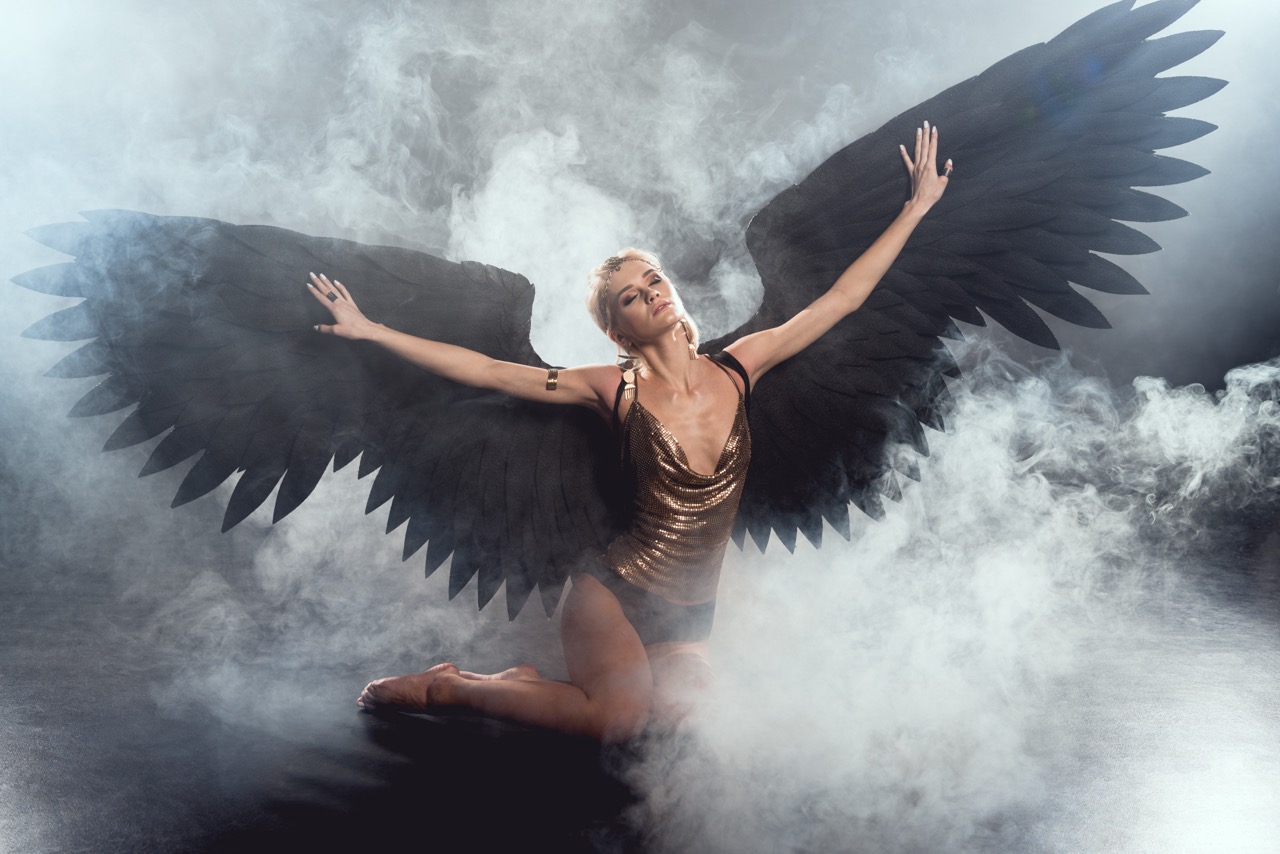
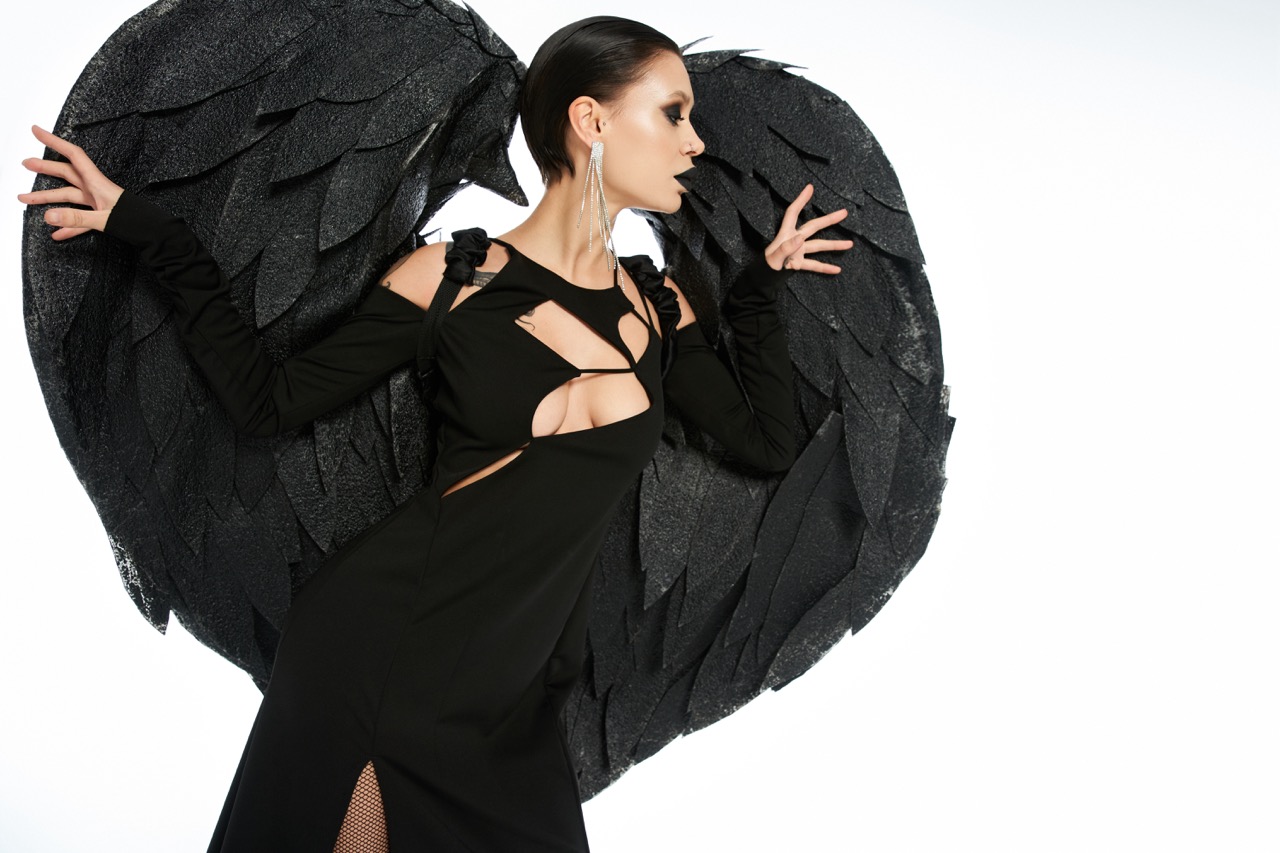
3D-printed dance wings serve as a powerful tool for unleashing creativity. These wings are designed to capture the imagination, allowing dancers to explore different shapes and colors that resonate with their artistic vision. With the capability to customize each wing, performers can reflect their personal aesthetics and themes, adding layers of meaning to their choreography. This newfound freedom encourages dancers to experiment with unconventional movements and styles, breaking away from the norms that have traditionally defined dance.
Moreover, the lightweight nature of 3D-printed materials allows for dynamic movement without compromising on comfort. Dancers can execute high-energy routines while wearing these beautifully crafted wings, which are both visually stunning and functional. This balance between form and function opens up a realm of possibilities, enabling dancers to enhance their performances with dramatic flourishes and expressive gestures that captivate audiences.
The magic of 3D-printed wings also lies in their potential for collaboration. Designers, choreographers, and dancers can work together to create custom pieces that embody the essence of a particular dance style or narrative arc. By fostering a collaborative environment, this technology promotes a culture of innovation within the dance community, leading to breathtaking performances that transcend traditional boundaries and inspire further exploration.
Transforming Movement: How Wings Enhance Dance Expression
The integration of 3D-printed wings into dance performances transforms the way movements are executed and perceived. These wings can evoke emotions and convey messages that resonate deeply with audiences, serving as an extension of the dancer’s body. As dancers manipulate their wings, they create visual imagery that enhances the storytelling aspect of their performances, inviting viewers to engage with the narrative on a more profound level.
Not only do the wings add visual flair, but they also influence the physicality of the dance itself. The drag and lift provided by the wings can change the dynamics of how a dancer moves, creating new rhythms and cadences that were previously unattainable. This transformation encourages dancers to adapt their techniques and discover novel ways of interpreting music and movement, leading to a richer, more diverse dance vocabulary that captures the essence of contemporary artistry.
Furthermore, the emotional connection that dancers establish with their wings fosters a sense of empowerment and confidence. By wearing a piece of art that reflects their individual style, dancers feel liberated to express themselves more authentically. This combination of technology and personal expression redefines the relationship between the dancer and their art, resulting in performances that resonate powerfully with audiences, leaving a lasting impression long after the final bow.
Future of Dance: Embracing Innovation and Personal Style
As the dance community continues to embrace technological advancements, the future promises even more exciting possibilities for 3D-printed creations. The democratization of technology means that dancers from various backgrounds can access 3D printing resources, allowing for a broader range of artistic expression. This inclusivity empowers a new generation of performers to explore their creativity and bring their visions to life, paving the way for innovative choreography and unique performances that reflect diverse cultural narratives.
In addition to customization and creativity, the potential for sustainability in 3D printing is another crucial aspect of this evolution. As environmental concerns gain prominence, dancers and designers are increasingly seeking eco-friendly materials and processes. The ability to produce wings using sustainable resources not only reflects a commitment to environmental responsibility but also aligns with the growing trend of conscious consumption within the arts. This melding of creativity and sustainability can further inspire audiences to appreciate the artistry involved while fostering a collective responsibility for the planet.
Ultimately, the future of dance lies in the harmonious integration of innovation and personal style. As dancers continue to explore and adapt 3D-printed wings, the dialogue between tradition and technology will deepen, enriching the dance landscape. This synergy promises to transform not just the aesthetics of dance but also the very essence of how stories are told through movement, ensuring that dance remains a vibrant and evolving form of artistic expression for generations to come.
In conclusion, 3D-printed dance wings are redefining the boundaries of dance expression, merging art with technology to create an exhilarating new dimension in performance. By enhancing creativity, transforming movement, and fostering innovation, these stunning creations are empowering dancers to embrace their unique styles and narratives. As we look to the future, it is clear that the collaboration between artists and technology will continue to inspire and elevate the dance community, opening new doors to artistic exploration and expression that resonates far beyond the stage.