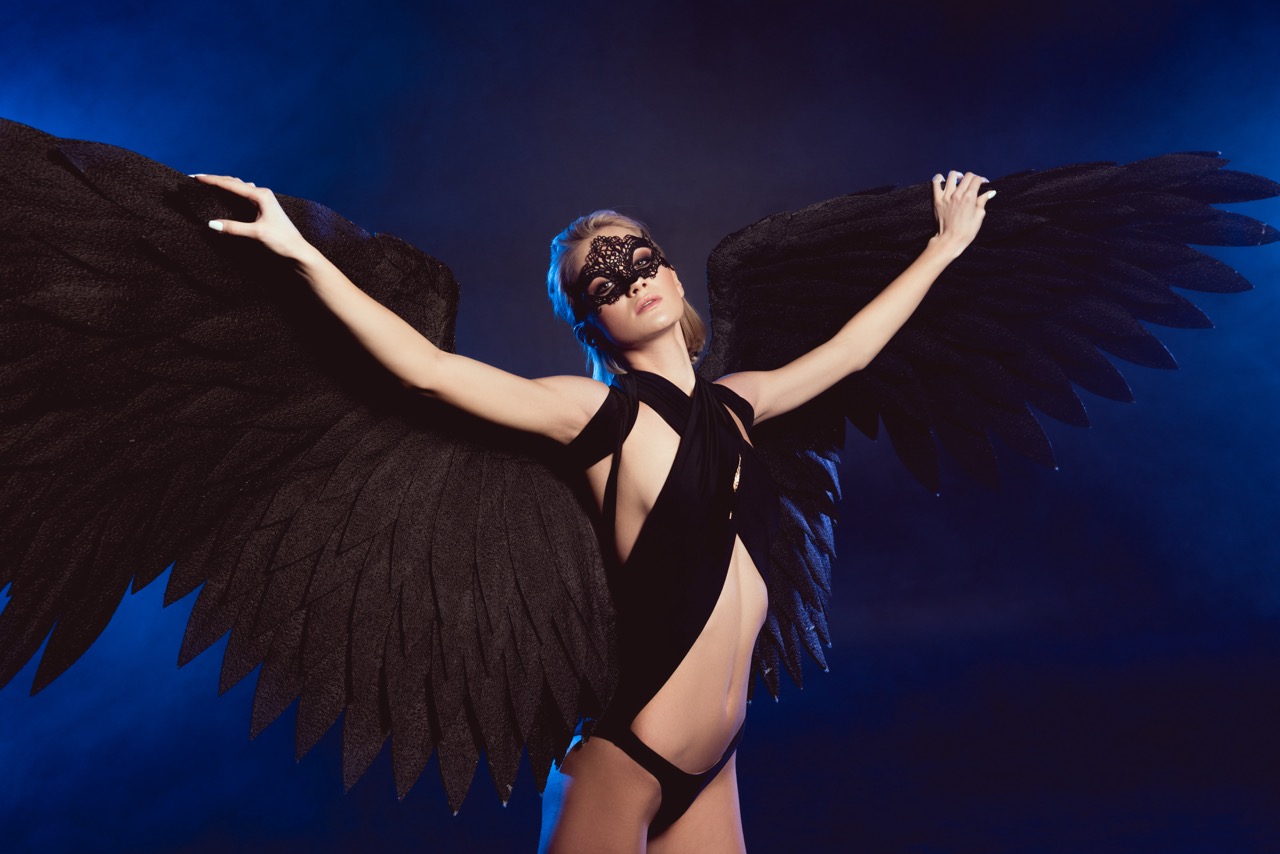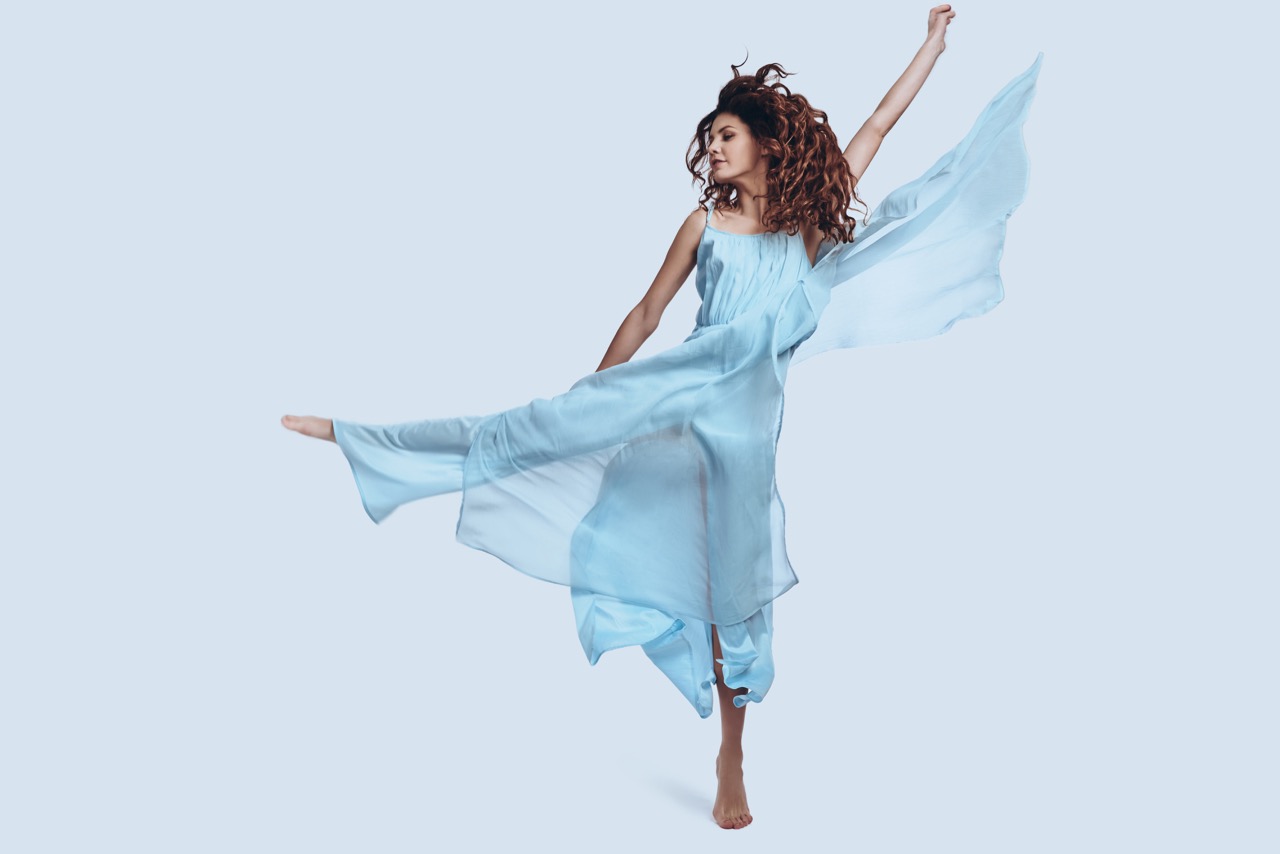




The world of dance is constantly evolving, with technology playing an increasingly pivotal role in shaping the art form. One of the most captivating innovations in this realm is the transformation of dance wings, those enchanting fabrics that flutter and flow, adding an ethereal quality to performances. Today, dancers are not only wearing wings but also integrating cutting-edge technology to enhance their artistry. In this article, we will explore how tech is changing the way dance wings are worn and used, delving into their evolution, the fabrics that elevate performance, the merging of digital experiences, and the future trends that are on the horizon.
Embracing Innovation: The Evolution of Dance Wings Today
The traditional dance wing has undergone a significant transformation in recent years. Once crafted solely from fabric, today’s dance wings now incorporate materials that are lighter, more durable, and visually striking. Innovations in design have led to the development of wings that can expand and retract, allowing for dramatic effects on stage. This evolution reflects a broader trend in the dance world, where performers seek to enhance their storytelling through visual elements that are both dynamic and expressive.
Moreover, the accessibility of manufacturing technologies, such as 3D printing, has opened up new avenues for custom-designed wings that cater to individual dancers’ unique styles and preferences. Dancers can now collaborate with designers and technologists to create bespoke pieces that reflect their artistry and vision. This personalization not only elevates their performances but also empowers dancers to explore new forms of expression, blending traditional techniques with contemporary aesthetics.
As technology continues to advance, we are seeing an increase in collaborations between dance practitioners and tech developers. This synergy is driving innovation, as dancers provide insights into their needs and challenges, while technologists offer solutions that enhance both the beauty and functionality of dance wings. The evolution of dance wings today reflects a broader cultural shift toward embracing innovative tools that expand the boundaries of creative expression.
High-Tech Fabrics: Enhancing Performance and Comfort
The choice of fabric is no longer just about aesthetics; it is intimately tied to a dancer’s performance and comfort. Advances in textile technology have led to the creation of high-tech fabrics that are lightweight, breathable, and moisture-wicking, enabling dancers to perform at their best without sacrificing comfort. These fabrics adapt to the dancer’s movements, providing support and flexibility while maintaining the vibrant visual impact that wings are known for.
In addition to performance benefits, the integration of smart textiles is revolutionizing how dance wings are experienced. Fabrics embedded with sensors can track a dancer’s movements in real-time, providing valuable feedback that can enhance their technique. This data can inform training regimens, helping dancers improve their skills and refine their artistry. By leveraging these high-tech materials, performers can elevate their practice and gain a competitive edge.
Furthermore, these innovative fabrics are also environmentally friendly, aligning with the growing demand for sustainable practices in the arts. Many manufacturers are now creating wings from recycled materials or utilizing processes that minimize waste. Dancers can not only embrace the latest in performance technology but also contribute to a more sustainable future for the arts. The combination of performance enhancement, comfort, and sustainability is a testament to how tech is reshaping the way dance wings are worn and used.
Interactive Designs: Merging Dance with Digital Experiences
The intersection of dance and technology has paved the way for interactive designs that enrich the dance experience. Artists are now experimenting with augmented reality (AR) and virtual reality (VR) to create immersive performances that captivate audiences. Dance wings equipped with LED lights or projection mappings can illuminate the stage in synchrony with the dancer’s movements, transforming each performance into a mesmerizing visual spectacle.
Interactive designs also allow for audience participation, bridging the gap between performers and spectators. By incorporating mobile apps or wearable tech, audiences can engage with the performance in real-time, influencing the visual elements or even the choreography itself. This level of interactivity creates a unique symbiotic relationship between the dancer and the audience, resulting in a richer and more engaging experience for everyone involved.
Moreover, these interactive features are not limited to live performances; they extend into the realm of digital content creation. Dancers can share their movements through social media platforms, where AI-driven algorithms can generate dynamic dance wings in real-time, allowing each dancer to showcase their style in a unique, digitally-enhanced way. This merging of dance with digital experiences exemplifies how the art form is evolving to embrace new technologies, providing endless possibilities for creativity and expression.
Future Trends: What’s Next for Dance Wings in Tech?
As technology continues to advance, the future of dance wings is poised for even more exciting innovations. One potential trend is the further integration of artificial intelligence into dance design. AI could assist in creating choreography that is specifically tailored to the unique characteristics of the wings being worn, ensuring a harmonious blend of movement and visual aesthetics. This could lead to performances that are not only beautiful but also intricately synchronized with the wings, creating a cohesive storytelling experience.
Additionally, biotechnology may play a role in the evolution of dance wings. Imagine wings that can change color or texture in response to the dancer’s emotions or physiological state. This could revolutionize how dancers express themselves, allowing for a deeper connection to their audience through visual cues. As researchers continue to explore the intersection of art and science, the possibilities for enhancing emotional expression through technology are boundless.
Finally, as the dance community increasingly prioritizes inclusivity, we can expect to see dance wings designed for a diverse range of dancers. This will include options for different body types, mobility levels, and cultural backgrounds, ensuring that everyone can participate in this expressive art form. The future of dance wings will undoubtedly reflect a commitment to accessibility and representation, empowering more individuals to embrace their unique movements and stories on stage.
In conclusion, the integration of technology into the world of dance wings is reshaping the landscape for performers and audiences alike. From high-tech fabrics that enhance comfort and performance to interactive designs that merge dance with digital experiences, the evolution of dance wings is a testament to the creative possibilities that arise when art and technology converge. As we look to the future, one thing is clear: the dance community is embracing innovation with open arms, poised to redefine the boundaries of artistic expression. Whether through personalized designs, sustainable practices, or inclusive approaches, the future of dance wings promises to be as dynamic and inspiring as the dancers who wear them.