


In the vibrant world of modern dance, the fusion of art and technology has unlocked new dimensions of creativity and expression. One of the most groundbreaking advancements is gesture-control technology, which allows artists to manipulate digital elements seamlessly through their movements. As dancers embrace these innovations, the traditional boundaries of performance are expanding, enabling a fresh dialogue between the physical body and the digital realm. This article explores the transformative role of gesture-control technology in modern dance, focusing on its impact on performance, choreography, and the future of dance wings.
Embracing Innovation: Gesture-Control in Dance Performance
The intersection of technology and dance has always been a fertile ground for innovation. Gesture-control technology, which interprets a dancer’s movements to trigger audio-visual effects, is revolutionizing how performances are conceived and executed. This technology utilizes sensors and cameras to capture the nuances of movement, allowing dancers to interact with their environment in real-time. As a result, performances become dynamic experiences where the stage transforms into a canvas that evolves with each gesture.
Moreover, artists are increasingly adopting gesture-control to expand their expressive capabilities. Dancers can now manipulate light, sound, and video projections directly through their movements, creating an immersive environment for their audience. This immediacy enhances the emotional impact of the performance, as each gesture can direct the course of the narrative, allowing for spontaneous creativity that traditional choreography may not facilitate. The synthesis of these elements leads to a richer storytelling medium, where the artist’s body becomes a conduit for multimedia expression.
The adoption of gesture-control technology does not come without challenges. Dancers must navigate the learning curve associated with integrating these advanced tools into their practice. Mastery of the technology requires a deep understanding of both physical movement and digital interaction. However, as artists continue to explore this uncharted territory, they are not only adapting but also redefining what it means to perform. The embrace of innovation positions dancers at the forefront of a new era in performance art, where technology and artistry coalesce in groundbreaking ways.
The Dance of Technology: Merging Movement and Machines
Gesture-control technology represents a profound shift in the relationship between the human body and machinery. In modern dance, this interplay creates a unique synergy that enhances the aesthetics of movement. Choreographers are now able to craft sequences that not only consider traditional physicality but also integrate technological elements that respond to the dancer’s gestures. This confluence of art and technology challenges dancers to explore new forms of expression and redefine the boundaries of their art.
Furthermore, this merging of movement and machines enhances the viewer’s experience. Audiences are increasingly drawn to performances that offer a multisensory experience, where visuals and music respond dynamically to the dancer’s movements. For instance, a simple turn or leap can trigger an explosion of colors on the stage, captivating the audience and immersing them in the emotional narrative of the piece. The ability to create such an atmosphere enhances engagement, allowing spectators to feel as though they are part of the performance rather than merely observers.
The integration of technology also invites collaboration across disciplines, fostering relationships between dancers, choreographers, and technologists. This interdisciplinary approach encourages experimentation and innovation, leading to the development of new artistic forms that blend dance, theater, and digital art. As a result, modern dance companies are evolving into collaborative hubs where diverse talents can pool their creativity, leading to groundbreaking works that push the envelope of traditional dance performance.
Enhancing Expression: How Gesture-Control Shapes Choreography
Gesture-control technology has redefined the creative process for choreographers, allowing for the exploration of movement in ways that were previously unimaginable. By incorporating real-time digital feedback, choreographers can visualize the impact of each movement as it unfolds, giving them the ability to refine and adapt choreography on the fly. This iterative process encourages a playfulness in creation, where experimentation can lead to unexpected and innovative outcomes.
Moreover, the use of gesture-control technology encourages a deeper connection between the dancer and the choreography. As dancers interact with the digital components of their performance, they become more attuned to the emotional and narrative threads within the piece. This heightened awareness allows them to infuse their performances with authenticity, as their physical movements directly influence the digital landscape. The result is a richer tapestry of expression, where the dancer’s intentions are amplified by the technological elements surrounding them.
Additionally, gesture-control technology introduces a level of interactivity that can engage audiences in new ways. Choreographers can design pieces that invite viewer participation, transforming spectators into active participants in the performance. This shift opens up dialogue about the role of the audience in art, challenging traditional notions of observation and engagement. As a result, the choreographic landscape is evolving to include more inclusive and interactive experiences, fostering a deeper connection between the artwork and its audience.
Future Forward: The Evolution of Modern Dance Wings Today
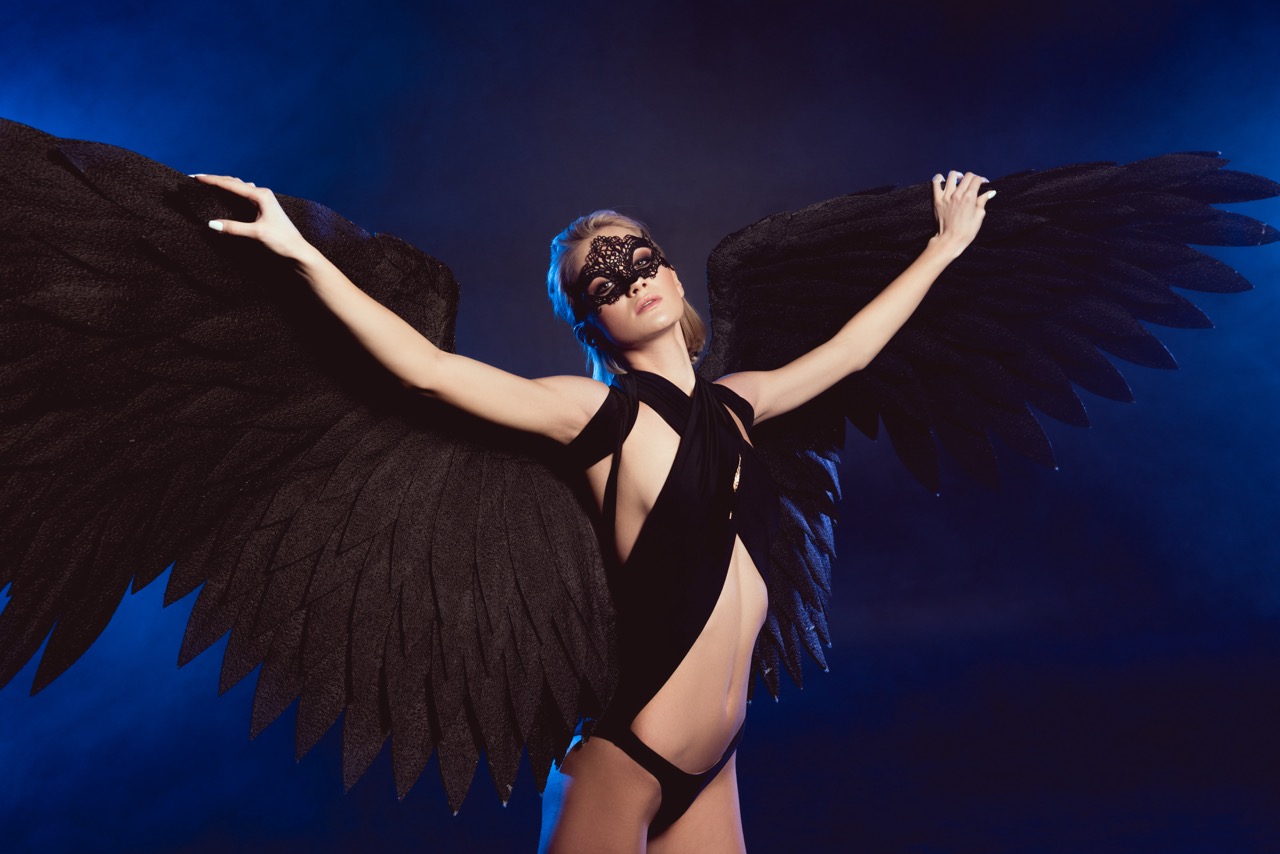
As modern dance continues to evolve, the integration of gesture-control technology is paving the way for a new generation of artistic expression. The concept of "dance wings," which traditionally referred to the visual embellishments used in performances, is being reimagined in a digital context. No longer just physical props, dance wings are becoming interactive digital extensions of a dancer’s body, capable of responding to every movement with precision and immediacy.
The future of modern dance wings is bright, as advancements in gesture-control technology promise to enhance the creative possibilities for artists. With developments in artificial intelligence and machine learning, we can expect even more sophisticated systems that can anticipate a dancer’s movements and react accordingly. This evolution will not only deepen the interplay between the dancer and technology but also challenge choreographers to rethink the ways they structure their performances in relation to these new tools.
Ultimately, the evolution of modern dance wings reflects a broader cultural shift towards embracing technology as a vital component of artistic expression. As artists continue to explore this relationship, we may witness a new era of dance that transcends traditional boundaries, offering a fresh vision of what is possible on stage. The future will likely see dance as a hybrid art form that seamlessly melds physicality with digital innovation, inviting audiences into a world where movement and technology coexist harmoniously.
In conclusion, the role of gesture-control technology in modern dance wings signifies a transformative shift in the landscape of performance art. By embracing innovation, merging movement with machines, enhancing expression through new choreographic methods, and looking towards a future rich with possibilities, artists are redefining the boundaries of dance. As we venture forward into this exciting frontier, the synergy between dance and technology promises to enrich the artistic experience, captivating audiences and inspiring creators around the globe. The dialogue between the physical and digital realms is just beginning, and the possibilities for future exploration are boundless.