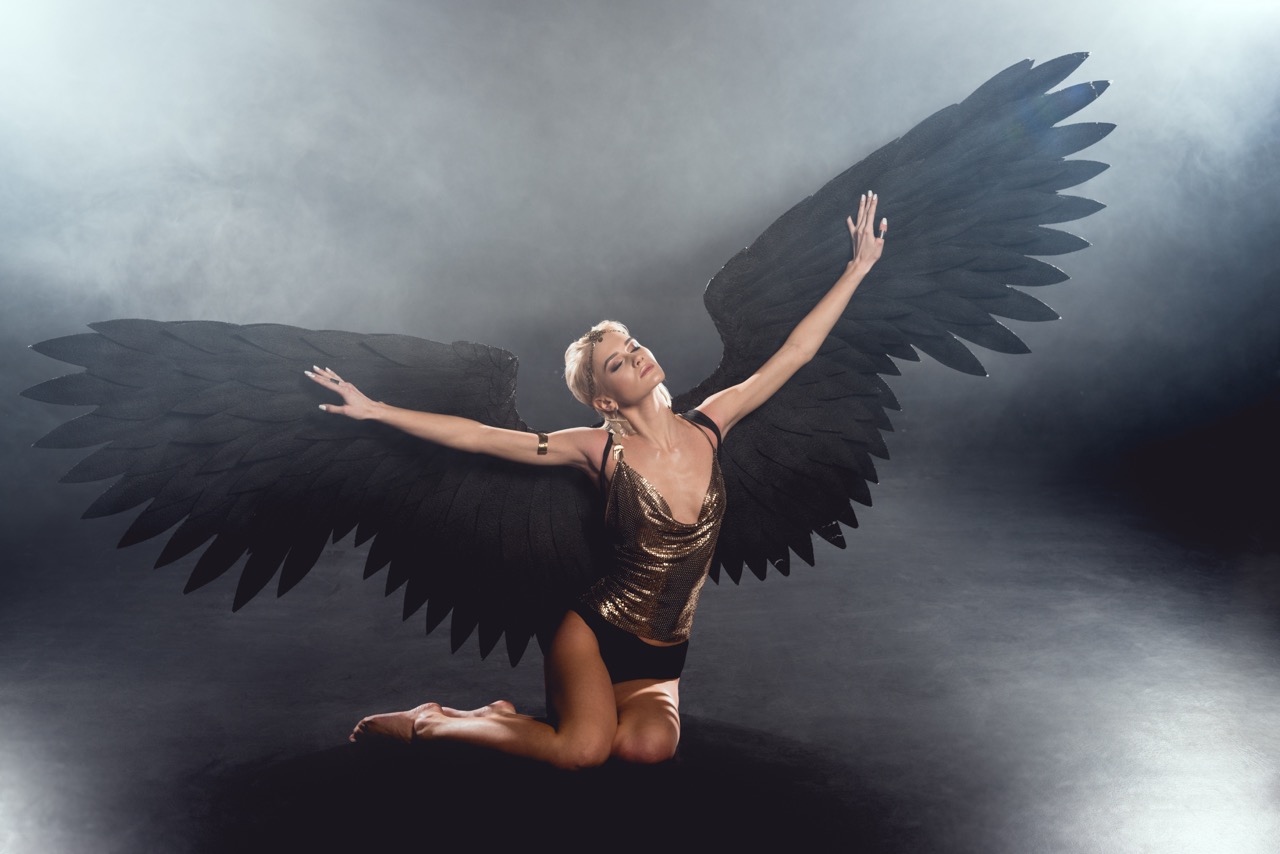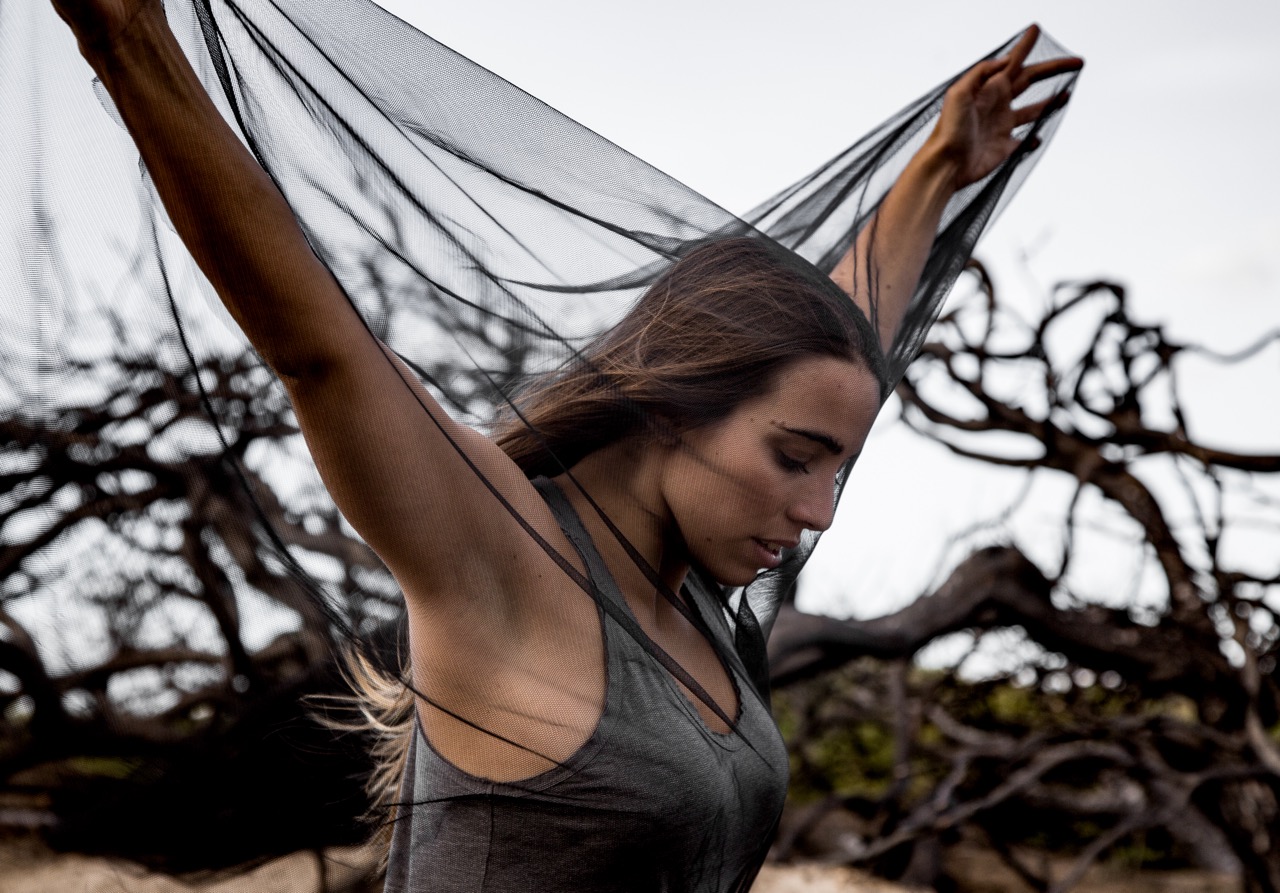





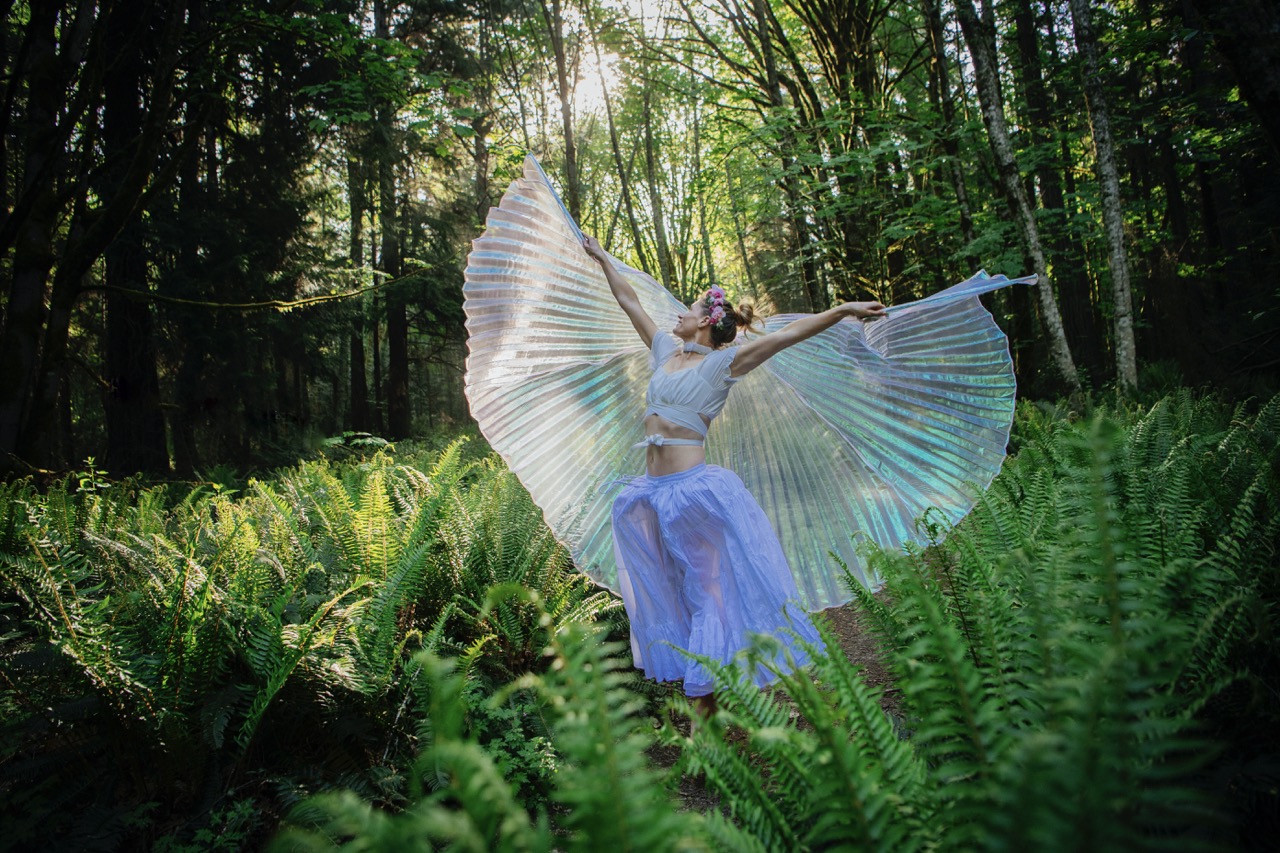
Dancing is an art form that transcends mere movement, evoking emotions and storytelling through rhythm and grace. However, when large wings enter the equation, the dynamics of the dance change dramatically. Whether in theatrical performances, competitive dancing, or artistic expressions, the presence of expansive wings introduces unique challenges that dancers must master to create a captivating experience. This article will explore the nuances of dancing with large wings, examining the intricacies of movement, balance, collaboration, and innovative approaches to overcoming obstacles.
Mastering Movement: Navigating the Space of Large Wings
Dancing with large wings requires an acute awareness of space. Unlike traditional dance, where the dancer’s movements are limited to their personal area, the expansive wings demand a broader spatial awareness. Dancers must cultivate the ability to visualize their environment, factoring in both their own movements and the sweeping arcs of their wings. This necessitates a heightened sense of peripheral awareness, allowing the dancer to navigate crowded stages or intimate settings without colliding with props or fellow performers.
Moreover, the choreography must be meticulously designed to accommodate the wings’ size and motion. Each movement must be calculated, ensuring that it complements the wings rather than constraining them. Dancers often develop intricate combinations that allow them to engage with their wings dynamically, incorporating spins, lunges, and flourishes that accentuate the wings’ beauty. Through practice and repetition, dancers refine their movements, transforming potential hindrances into expressive elements of their performance.
Finally, mastering movement with large wings involves understanding the mechanics of the wings themselves. Dancers must become attuned to the weight and texture of their wings, developing techniques to manipulate them fluidly. This might include adjusting their center of gravity or altering their posture to facilitate seamless transitions. Ultimately, the mastery of movement becomes a harmonious interplay between the dancer and their wings, creating a visual spectacle that captivates audiences.
The Art of Balance: Gravity and Wing Dynamics Explained
Balance becomes a paramount challenge when dancing with large wings, as the added mass can easily disrupt a dancer’s equilibrium. The dancer’s core muscles must engage more intensely to maintain stability, especially during dynamic movements. This heightened demand for strength and control can create a fascinating contrast—while the wings may appear ethereal, the dancer’s groundedness is essential for executing bold gestures and maintaining elegance.
The dynamics of wings also play a crucial role in the dance. As the wings flap or extend, they create varying levels of drag, which can affect the dancer’s movements. Understanding how to counteract these effects becomes vital; dancers must learn to anticipate how their wings will respond to their actions. By mastering techniques such as weight distribution and timing, dancers can manipulate their wings to enhance their movements rather than hinder them. This balance of forces gives rise to a captivating fluidity that underscores the magical essence of winged dance.
Moreover, the gravitational pull experienced by the dancer is intensified by the wings, presenting an added layer of complexity. Dancers often engage in targeted strength training and flexibility exercises to prepare their bodies for the unique demands of this form of movement. By building a strong foundation, they can better manage the weight of the wings while still executing intricate choreography. Through consistent practice, dancers can achieve a harmonious sense of balance that allows them to soar, both literally and metaphorically.
Interpersonal Dance: Collaborating with Winged Partners
Collaboration becomes an exciting yet intricate aspect of dancing with large wings. When multiple dancers share the stage, their wings can create a tapestry of movement that challenges the traditional boundaries of partnership. Dancers must develop a keen understanding of each other’s spatial presence, ensuring that their winged movements intertwine gracefully without causing disruption. This requires clear communication and a deep sense of trust, as even the slightest miscalculation can lead to a chaotic, rather than harmonious, performance.
In addition to spatial awareness, the emotional dynamics of collaboration are magnified when wings are involved. The visual impact of two or more dancers moving in synchrony can evoke profound emotions in the audience, fortifying the connection between the performers. However, achieving this level of synchronicity requires rigorous practice and the willingness to adapt to one another’s styles and strengths. Dancers often engage in improvisational exercises, exploring the ways their wings can interact—whether it’s through mirroring movements or creating contrasting patterns that reflect each dancer’s individuality.
Furthermore, the inclusion of winged partners necessitates an exploration of thematic storytelling. The narrative of the dance may evolve to reflect the relationship between the winged beings, be it a duet of harmony or a conflict of opposing forces. Dancers must work together to develop a cohesive narrative that resonates with the audience, enhancing the overall impact of their performance. In this way, the interpersonal dance becomes a celebration of not just individual prowess, but of a collective artistry that captivates and inspires.
Creative Solutions: Innovations for Winged Dance Challenges
As the challenges of dancing with large wings become apparent, so too does the need for innovative solutions. Designers and choreographers are now experimenting with materials that lighten the weight of the wings while maintaining their visual impact. Advancements in fabric technology, such as using sheer yet durable textiles, allow for more dynamic movement, enabling dancers to express their creativity without the burden of cumbersome wings. These innovations expand the possibilities of winged dance, allowing for intricate choreography that was previously deemed impractical.
Additionally, technology is playing an increasingly vital role in overcoming the physical challenges presented by large wings. Motion sensors and wearable technology can provide real-time feedback to dancers, allowing them to adjust their movements according to the dynamics of their wings. This integration of technology not only enhances performance but also opens up new avenues for artistic expression. Choreographers can incorporate digital elements that respond to wing movements, creating an immersive experience for both dancers and audiences alike.
Lastly, community and collaboration among dancers with similar challenges foster an environment of shared creativity. Workshops, festivals, and dance collectives focused on winged performances enable artists to exchange ideas and techniques. This collaborative spirit encourages innovation, as dancers seek fresh ways to tackle the physical and artistic challenges posed by their wings. By learning from one another and pooling their resources, the dance community can continue to evolve the art of winged movement, ensuring that it remains a vibrant and dynamic facet of performance art.
Dancing with large wings is a captivating yet complex endeavor, rich with challenges that test the limits of creativity, balance, and collaboration. From mastering the movements in a confined space to overcoming gravitational forces and forging deep interpersonal connections, each dancer embarks on a journey that transforms obstacles into artistic expressions. As innovations continue to emerge in this unique field, the evolution of winged dance promises to inspire future generations. Ultimately, the challenges faced by winged dancers serve not only to enhance their performances but also to deepen our appreciation for the artistry that emerges when human talent meets the whims of the fantastical.