




In the realm of performing arts, innovation often walks hand in hand with creativity, creating new avenues for expression. One of the most exciting advancements in recent years has been the integration of LED lights into dance wings, transforming the way dancers express themselves and engage their audiences. These illuminated garments not only highlight movement but also add layers of visual storytelling that captivate spectators. As more choreographers and performers explore the possibilities of LED technology, dance wings are evolving into a vibrant canvas that bridges artistry and technology.
Illuminating Movement: The Rise of LED Dance Wings
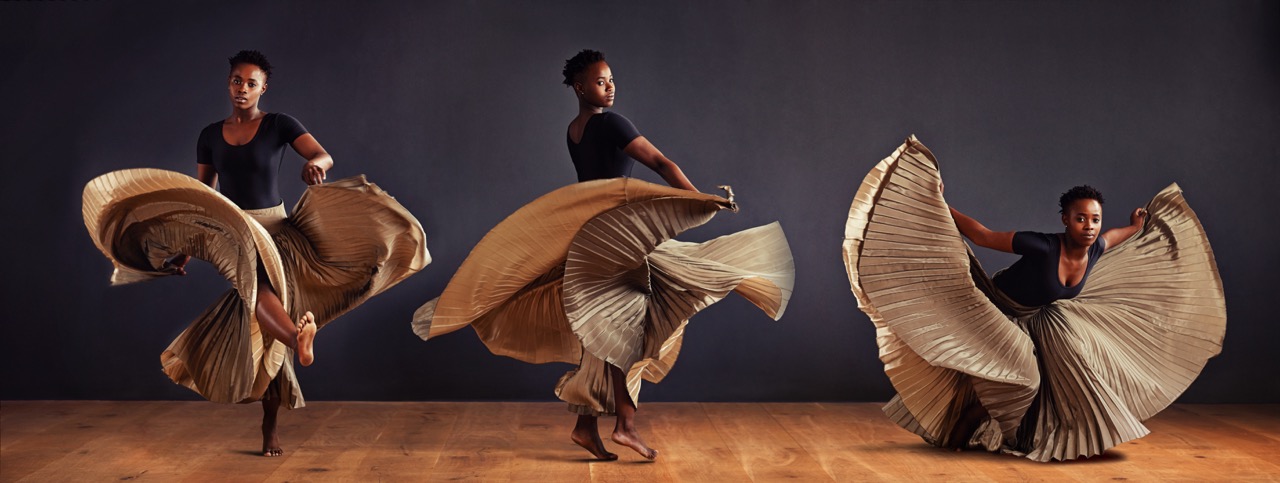
The evolution of LED dance wings began as an experimental venture for tech-savvy choreographers looking to enhance visual engagement during performances. These wings, traditionally made of fabric and embellished with sequins or glitter, have now taken a giant leap forward with the introduction of flexible LED strips. Unlike conventional lighting, LEDs are lightweight, energy-efficient, and versatile, making them ideal for the dynamic movements of dance. As dancers twirl and spin, these illuminated wings create a stunning visual effect, appearing to float and shimmer in the air, capturing the imagination of audiences.
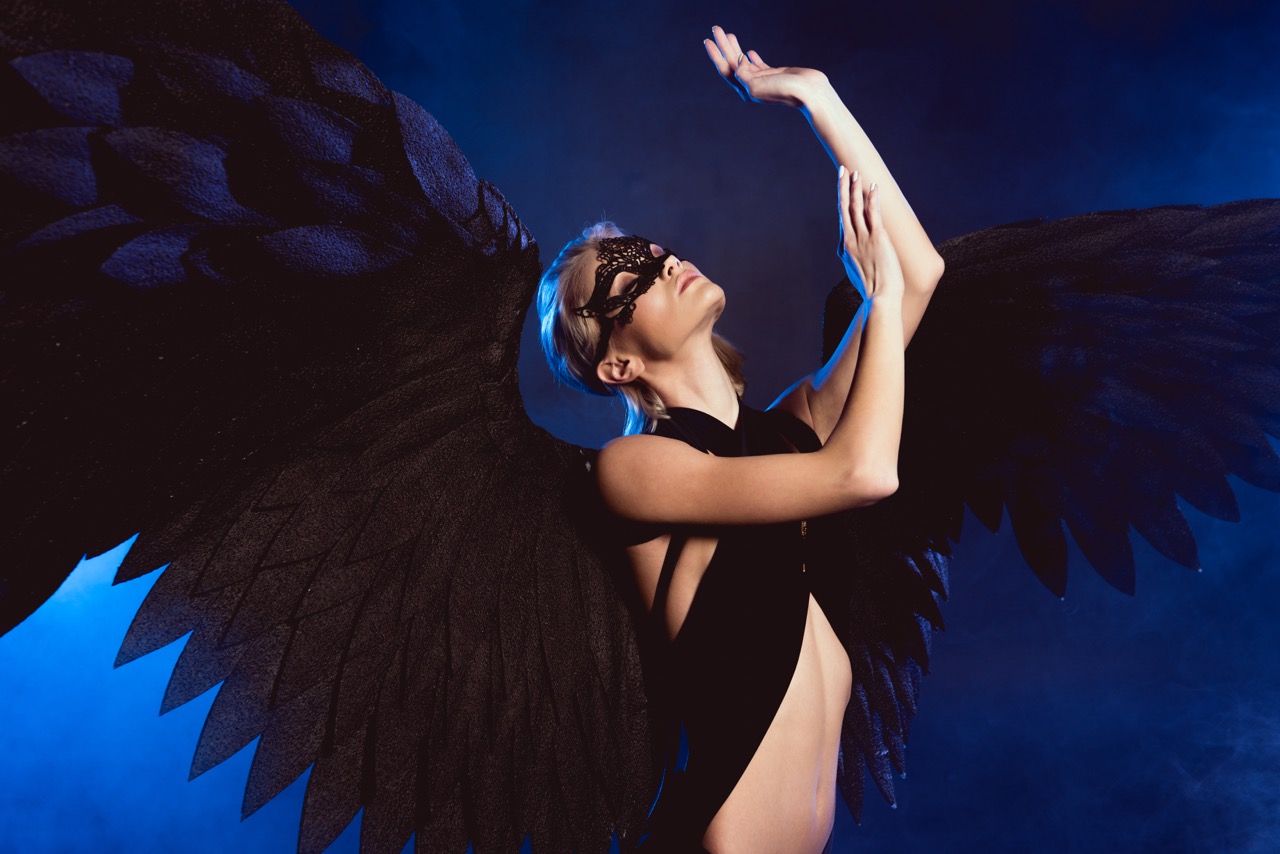
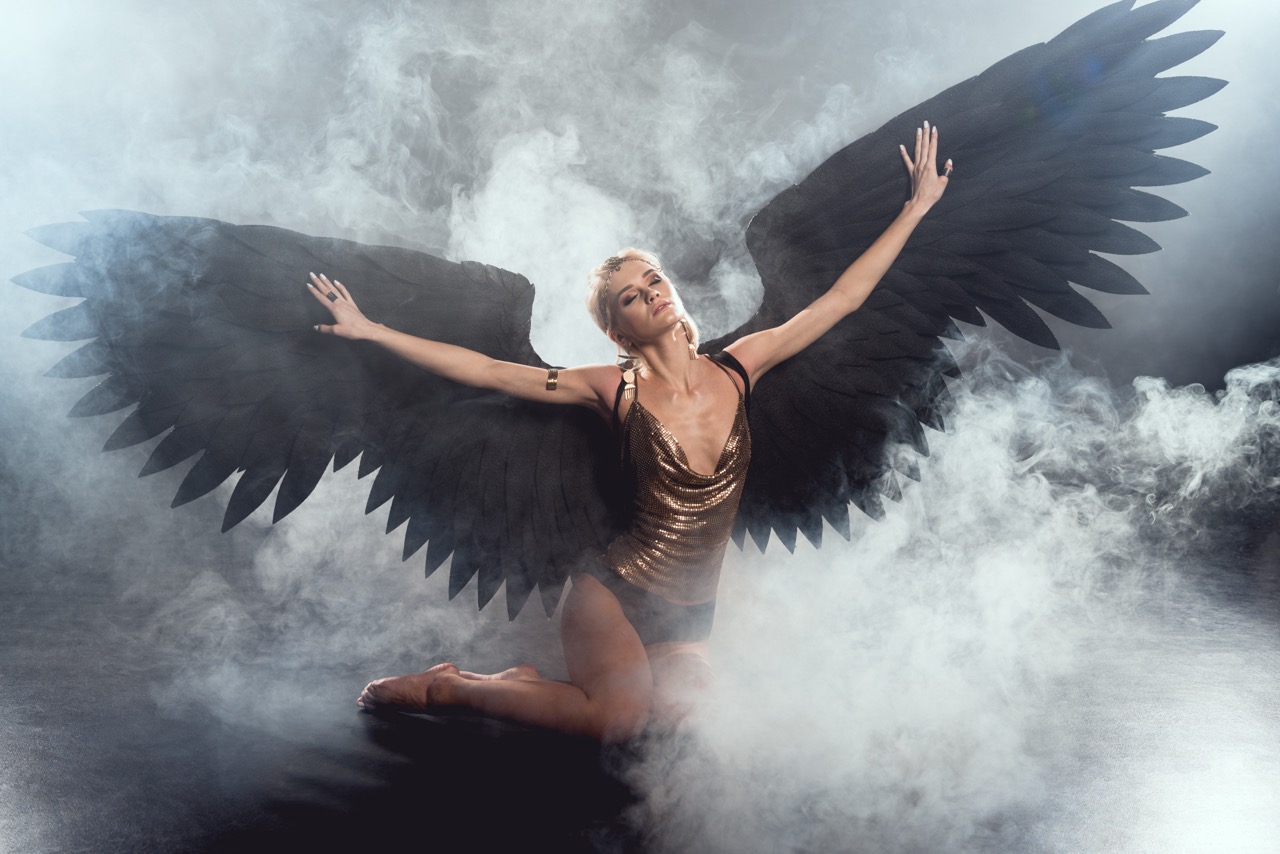
This rise in popularity has led to a surge in demand for customized LED dance wings, prompting designers to explore a variety of shapes, sizes, and configurations. From ethereal butterfly wings to dramatic angelic silhouettes, the aesthetic possibilities are limitless. Additionally, advancements in microcontroller technology allow dancers to synchronize their movements with lighting effects, creating a seamless connection between performer and performance. This blending of technical prowess and artistic vision is elevating the standards of dance as we know it.
The embrace of LED technology also fosters collaboration among artists from different disciplines. Dancers, visual artists, and programmers are coming together to create immersive performances that challenge traditional boundaries. The result is a multidisciplinary approach that enhances the overall aesthetic experience and inspires new choreographic works that would have been unimaginable just a few years ago. As the integration of LEDs into dance wings continues to evolve, it promises a bright future for the art form, drawing in new audiences and inspiring the next generation of performers.
A Spectrum of Creativity: Color and Design Innovations
With LED lights, the color palette available to dancers has expanded dramatically, allowing for virtually limitless design possibilities. These lights can display a wide array of colors, patterns, and effects, enabling choreographers to tailor their performances to evoke specific emotions and themes. For instance, a performance focused on tranquility might utilize soft blues and greens, while a high-energy number could explode with vibrant reds and yellows. This capability transforms the dance wing into a living canvas, where light and color dance as dynamically as the performers themselves.
Moreover, advancements in programmable lighting technology give designers the ability to create intricate choreographies of light that can change in response to the music or the dancer’s movements. This interactivity allows the wings to react in real time, adding an element of surprise and excitement to each performance. The visual spectacle created by these dance wings can enhance the narrative being portrayed, allowing audiences to immerse themselves in a multi-sensory experience that combines sound, movement, and light.
Additionally, incorporating color theory into choreography has become a vital aspect of performance design. Dance wings that change colors, shift patterns, and pulsate in rhythm with the music can evoke feelings of joy, sadness, or tension, amplifying the emotional impact of the performance. As choreographers and designers continue to innovate, LED dance wings become not just a costume element but an essential storytelling device, enabling a richer connection between performers and their audience.
Enhanced Performance: How LEDs Elevate Dance Artistry
The use of LED lights in dance wings has redefined the boundaries of performance art by enhancing the expressiveness and dynamism of the dancer. The visual impact of illuminated wings can profoundly affect how movements are perceived, accentuating the grace and power of each gesture. When dancers perform with these luminous garments, the interplay of light and shadow creates a captivating visual narrative that draws the audience into the story being told.
Furthermore, the strategic placement of LED lights can serve to emphasize specific movements, enhancing the overall choreography. For instance, a dramatic lift or a fluid spin can be bolstered by a sudden burst of light, heightening the emotional crescendo of the performance. This not only captivates the audience but allows dancers to explore new styles and techniques that integrate the visual element of light into their movement vocabulary. As a result, performers find themselves pushing their artistic limits and experimenting with choreography that might have been overlooked in a traditional setting.
The integration of LED technology aligns with the contemporary shift toward performance art being more than just physical movement; it is also about creating a complete sensory experience. Dancers are not merely executing steps; they are becoming co-creators of an immersive environment. This elevation of artistry and performance is not just a trend; it signifies a deeper understanding of how technology can enhance the human experience, making each performance unforgettable.
The Future of Dance: Sustainability and Technological Fusion
As the performing arts community continues to embrace LED technology, there is also a growing awareness of the importance of sustainability. Traditional lighting systems can consume significant amounts of energy and require extensive setup and breakdown times, leading to a larger carbon footprint. In contrast, LED lights are energy-efficient, durable, and long-lasting, drastically reducing power consumption and waste. By using LED dance wings, performers are taking a step toward a more sustainable future, allowing them to create stunning visual displays while minimizing their environmental impact.
Additionally, the fusion of technology and sustainability has opened new avenues for creativity in dance. Innovations such as solar-powered LED wings are emerging, allowing dancers to harness renewable energy while performing. This not only enhances the eco-friendly aspect of performances but also sparks conversations about environmental responsibility within the arts community. As awareness surrounding sustainability continues to grow, LED dance wings become symbols of how technology can work in harmony with nature.
The future of dance is undoubtedly intertwined with technological advancements, and LED lights are leading the charge. As artists explore this fusion, we can anticipate witnessing a new era of performances that prioritize eco-consciousness while pushing the boundaries of creative expression. The dance world is transforming into a vibrant space where sustainability, artistry, and technology coexist, inspiring a fresh wave of innovation that will redefine what it means to dance in the modern age.
The integration of LED lights into dance wings marks a significant evolution in the performing arts, blending technology with creativity in ways that were once thought impossible. This transformation not only enhances the aesthetic appeal of performances but also deepens the connection between artists and audiences. As we look to the future, it is clear that LED dance wings will continue to shine as beacons of innovation, illuminating the path for new artistic expressions while fostering a greater commitment to sustainability. In this bright new world of dance, the possibilities are endless, and the stage is set for extraordinary performances that will leave lasting impressions for years to come.