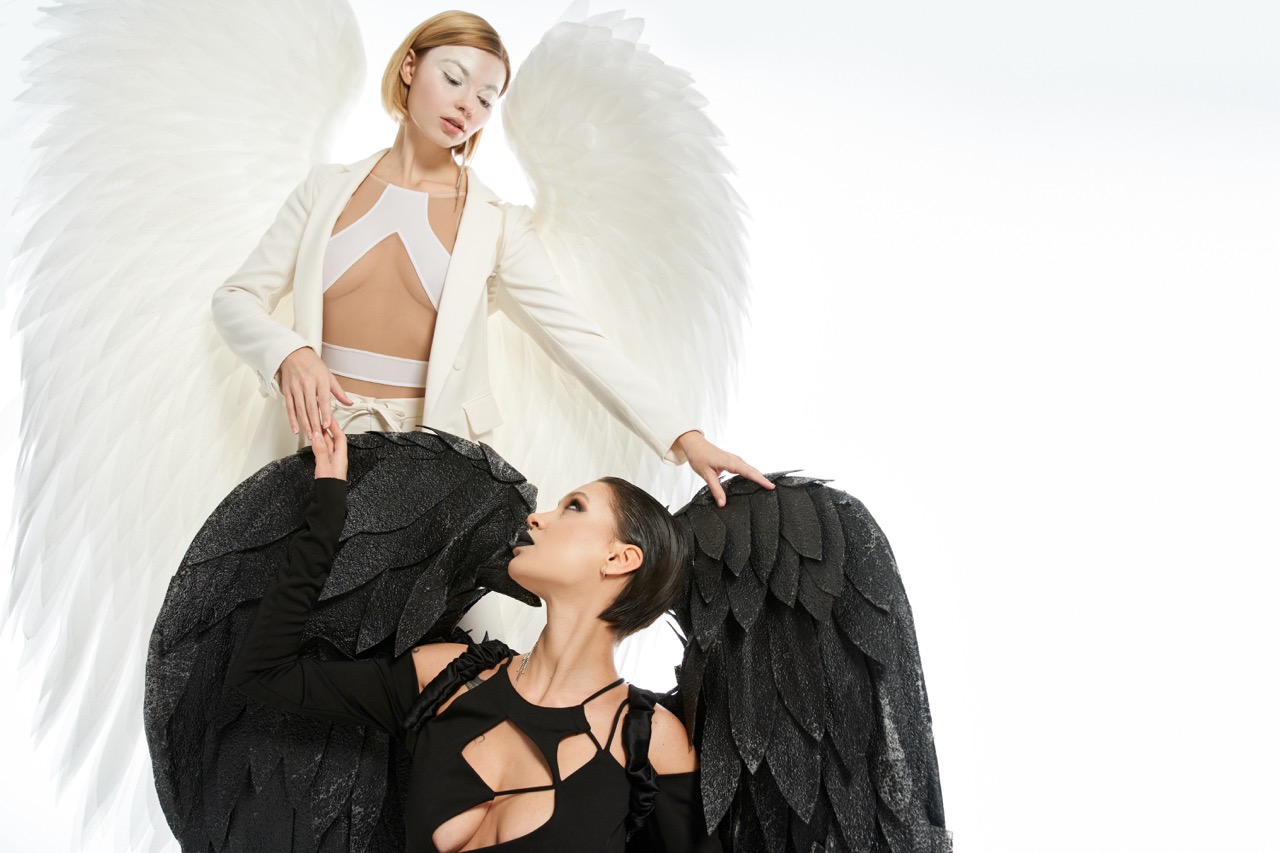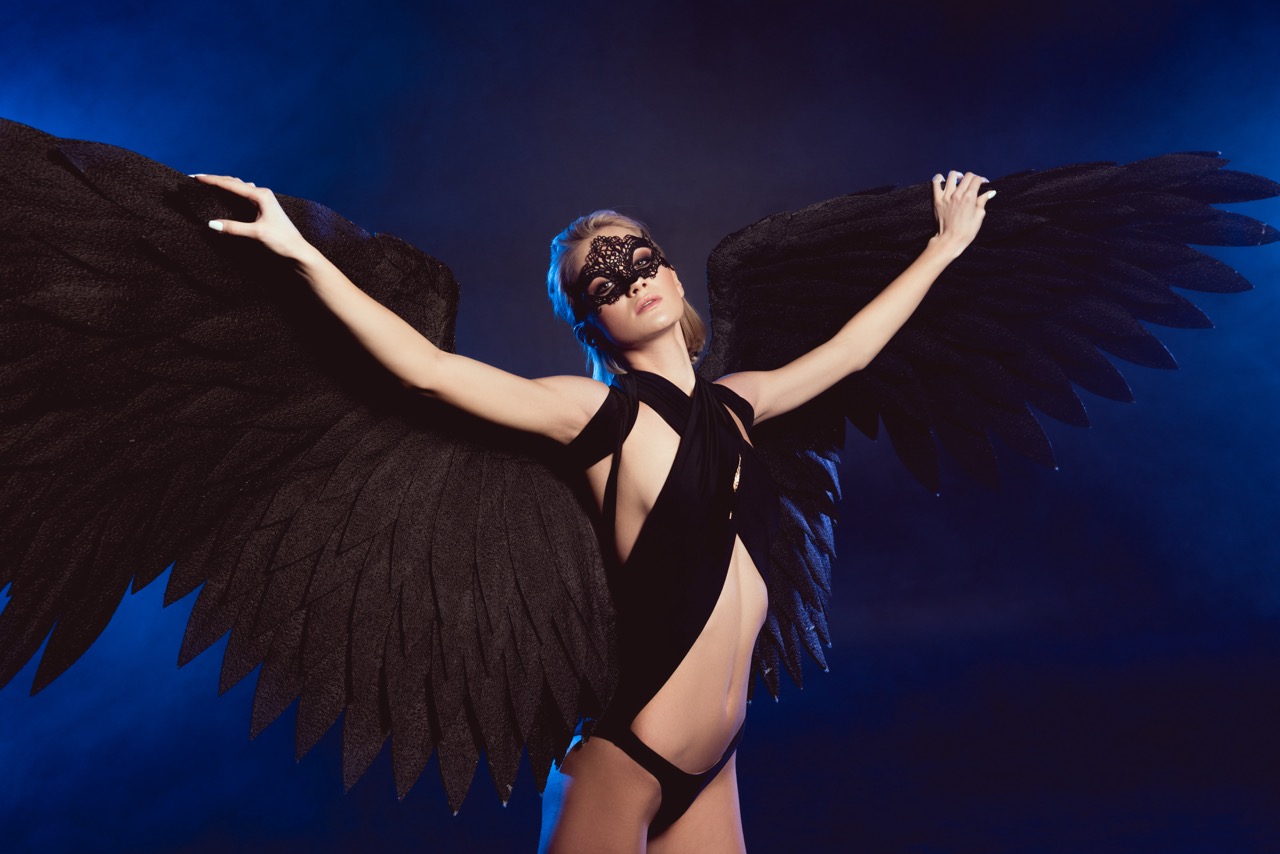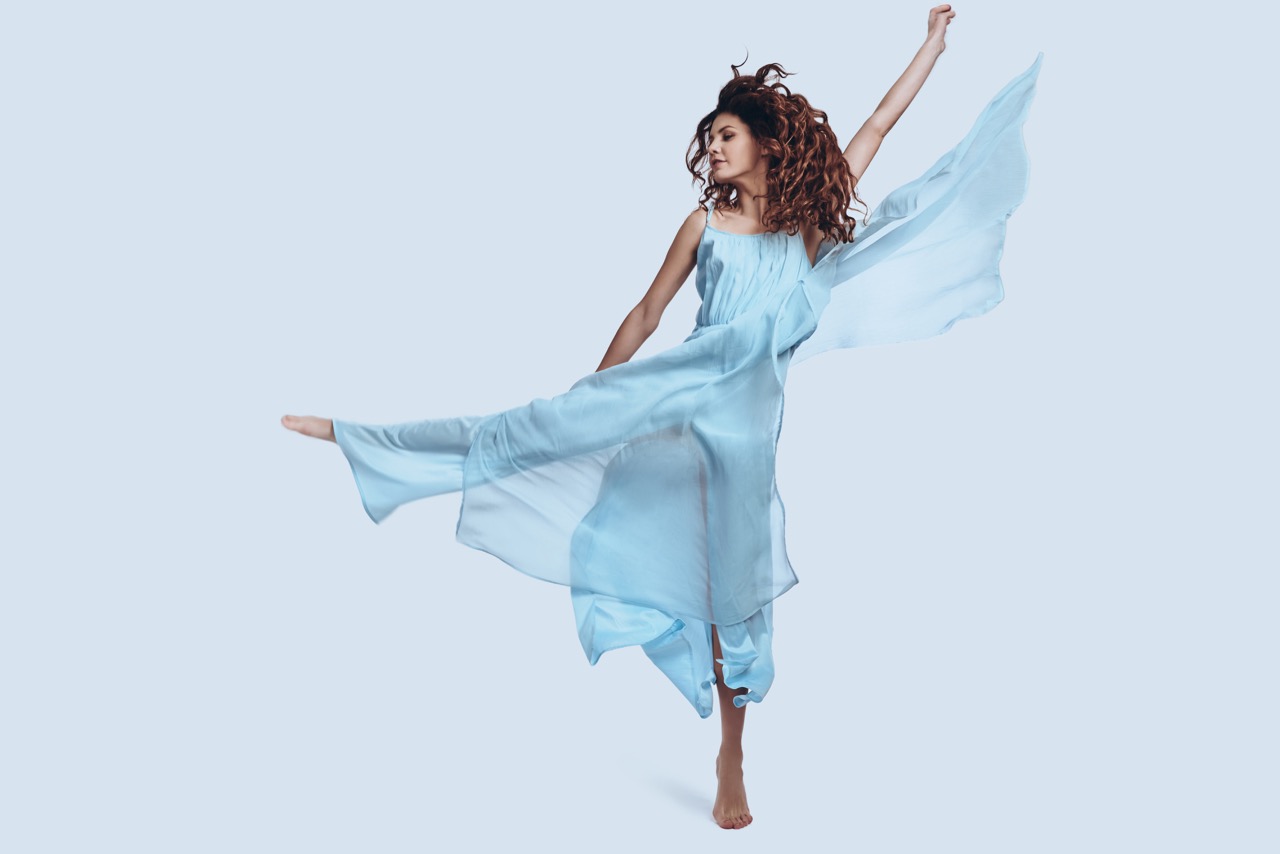

In the enchanting world of theatre, where storytelling transcends the spoken word, every element—from the script to the set design—plays a vital role in bringing a narrative to life. Among these elements, costume design holds a special place, serving both as a reflection of the characters’ personalities and as a vehicle for expressing the thematic essence of the production. One striking component of costume design that has captured the imagination of audiences and creators alike is the dance wing. These ethereal extensions not only enhance the visual spectacle but also contribute significantly to the evolving landscape of costume trends in theatre. In this article, we will explore the historical evolution of dance wings, their modern aesthetic applications, their role in character development, and the future innovations shaping their designs.
The Evolution of Dance Wings: A Historical Perspective
Dance wings have a storied history that can be traced back to ancient times when performers adorned themselves with elaborate fabrics to create a sense of grandeur and otherworldliness. In various cultures, these wing-like garments symbolized freedom, spirituality, and transcendence, often worn by dancers to elevate their movements and convey narratives that transcended verbal language. During the Renaissance, the use of wings became more sophisticated, reflecting the artistic spirit of the age, with elaborate designs that incorporated feathers, sequins, and intricate embroidery. This period laid the groundwork for the use of dance wings in theatrical productions, with their versatility enabling choreographers and directors to incorporate them into performances that combined dance and drama.
By the 20th century, the popularity of dance wings surged in the realms of ballet and musical theatre. Iconic figures like Martha Graham and George Balanchine embraced wings as essential components of their choreographic vocabulary, enabling dancers to express emotions and themes through visual representation. Notably, the introduction of modern materials allowed for lighter, more dynamic designs that further enhanced movement. As the influence of dance on theatre grew, so too did the incorporation of wings into costume design, leading to a cross-pollination of styles that would shape future trends. The adaptation of wings into various genres of theatre marked a significant turning point, transforming how costumes were perceived—no longer merely as clothing, but as an integral part of the storytelling fabric.
Today, dance wings continue to evolve, reflecting contemporary sensibilities while honoring their rich heritage. Theatre companies and designers are increasingly experimenting with new shapes, materials, and technologies, pushing the boundaries of what dance wings can achieve. This historical context sets the stage for a deeper exploration of how dance wings influence modern aesthetic sensibilities in theatre and contribute to the broader narrative of costume design.
Unveiling the Aesthetic: Dance Wings in Modern Theatre
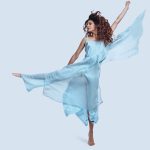
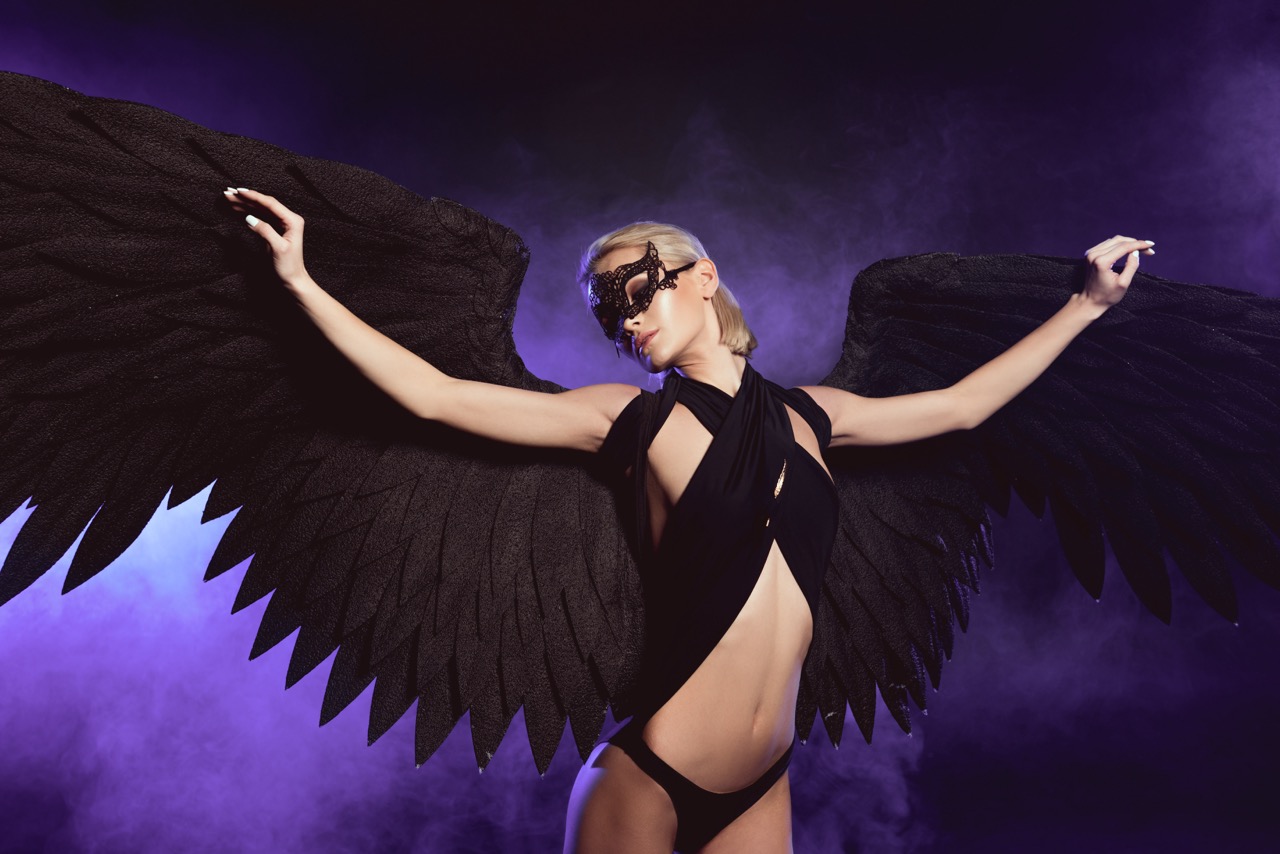
In modern theatre, dance wings are not merely appendages to costumes; they are powerful visual tools that enhance the overall aesthetic of a production. Designers are embracing bold colors, intricate patterns, and innovative materials to create wings that captivate audiences and add layers to the visual storytelling. From the whimsical and fantastical to the dramatic and avant-garde, the range of styles is vast, reflecting the diverse narratives being told on stage. The use of sheer fabrics, iridescent finishes, and LED technology has further transformed dance wings into dynamic elements that respond to lighting and movement, creating a mesmerizing spectacle that complements the performance.
Moreover, the integration of dance wings into modern choreographies has allowed for greater exploration of themes such as identity, transformation, and freedom. In productions where characters undergo significant changes, wings serve as a metaphorical representation of their journey. For example, in a contemporary adaptation of a classic tale, a character’s transition from confinement to liberation can be visually underscored by the unfurling of wings, symbolizing their emergence into a new existence. This intentional use of wings not only enhances the visual narrative but also deepens the audience’s emotional connection to the characters and their stories.
The aesthetic impact of dance wings extends beyond individual productions, influencing broader costume trends in the theatre industry. As designers experiment with various iterations of wings, they inspire one another, leading to an influx of creative ideas that redefine traditional concepts of movement and embodiment. The cyclical nature of inspiration within the theatre community ensures that dance wings remain at the forefront of costume design, continually evolving in tandem with artistic expression and audience expectations.
Crafting Character: The Role of Costume in Storytelling
Costumes have long served as a crucial element in character development, allowing actors to inhabit their roles more fully. Dance wings, with their inherent dramatic flair, amplify this process by enabling performers to embody their characters in unique ways. For instance, a dancer portraying a mythical creature may utilize wide, flowing wings to convey grace and ethereality, while a character representing chaos might wear fragmented wings that evoke a sense of disarray. This intentionality in design not only aids in character portrayal but also enhances the audience’s understanding of the narrative and the world within it.
The interaction between the dancer and their wings further enriches the storytelling experience. As performers move, the wings create visual poetry in motion, allowing for a dialogue between body and fabric. The way wings flutter, stretch, or collapse can mirror the emotional state of the character, creating a visceral connection between the performer and the audience. This relationship is particularly powerful in dance-centric productions where movement is central to the storytelling. The wings thus become a living extension of the character, representing their desires, fears, and ultimate transformations throughout the narrative arc.
In addition to character portrayal, the strategic use of dance wings can also serve as a storytelling device that unites ensemble performances. By incorporating synchronized movements and color-coordinated designs, entire groups can create a cohesive visual narrative that enhances the thematic undercurrents of the production. This collective use of wings fosters a sense of unity and harmony, reinforcing the emotional resonance of the storyline and inviting the audience to immerse themselves in the world being created on stage.
Future Directions: Innovations in Dance Wing Designs
As the theatre landscape continues to evolve, so too does the potential for innovation in dance wing designs. Emerging technologies such as 3D printing, smart fabrics, and augmented reality are beginning to influence costume design in groundbreaking ways. Designers are now able to create custom-fit wings that can be tailored to the specific needs of a production, providing unique solutions for different themes and styles. These innovations not only enhance the visual appeal of wings but also prioritize the comfort and mobility of performers, ensuring that artistic expression is never compromised.
Furthermore, the sustainability movement within the fashion and costume design industries is prompting a reevaluation of materials used in dance wing production. Designers are increasingly seeking eco-friendly and recycled materials that maintain the aesthetic qualities of traditional fabrics while minimizing environmental impact. This shift not only aligns with current social values but also inspires new creative possibilities, as designers experiment with innovative textures and techniques. The marriage of sustainability and artistry presents an exciting frontier for dance wings, allowing costume designers to push the boundaries of conventional aesthetics while remaining mindful of their ecological footprint.
Looking ahead, the future of dance wings in theatre is ripe with potential, driven by collaborations across disciplines. Partnerships between theatre makers, fashion designers, and technologists will pave the way for new ideas and creative solutions. As artists seek to intertwine performance with elements of contemporary culture, the influence of dance wings will likely expand, transforming them into not just a costume feature but a symbol of the evolving narrative of theatrical expression itself.
The impact of dance wings on costume trends in theatre is a testament to the power of innovation, creativity, and storytelling. As these ethereal extensions continue to evolve, they remain a vibrant part of theatrical history while influencing contemporary design practices. From their rich historical roots to their transformative role in modern narratives, dance wings enhance the visual language of theatre, inviting both performers and audiences into a world where movement and emotion intertwine. As we look to the future, the ongoing exploration of dance wings will undoubtedly inspire new generations of artists, ensuring that this captivating aspect of costume design will continue to soar to new heights in the realm of theatre.