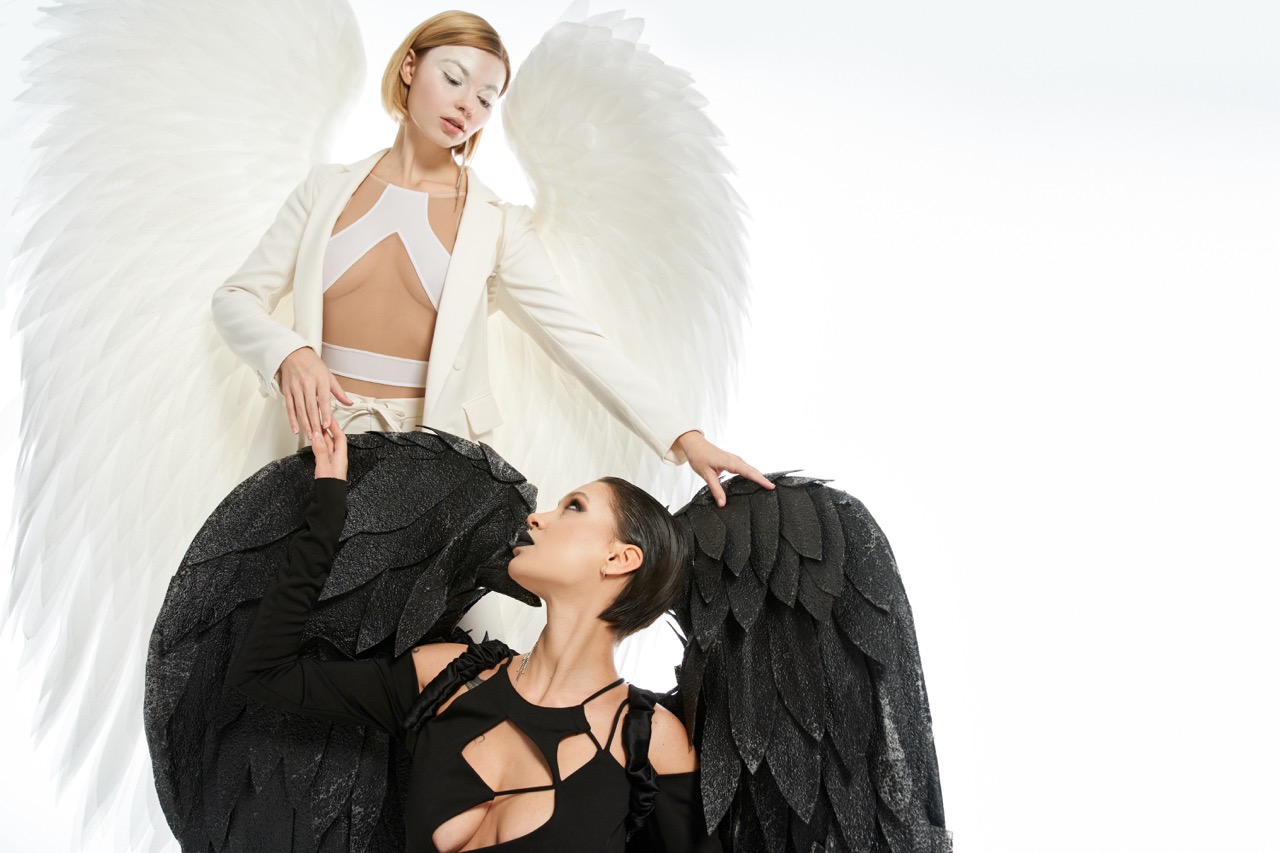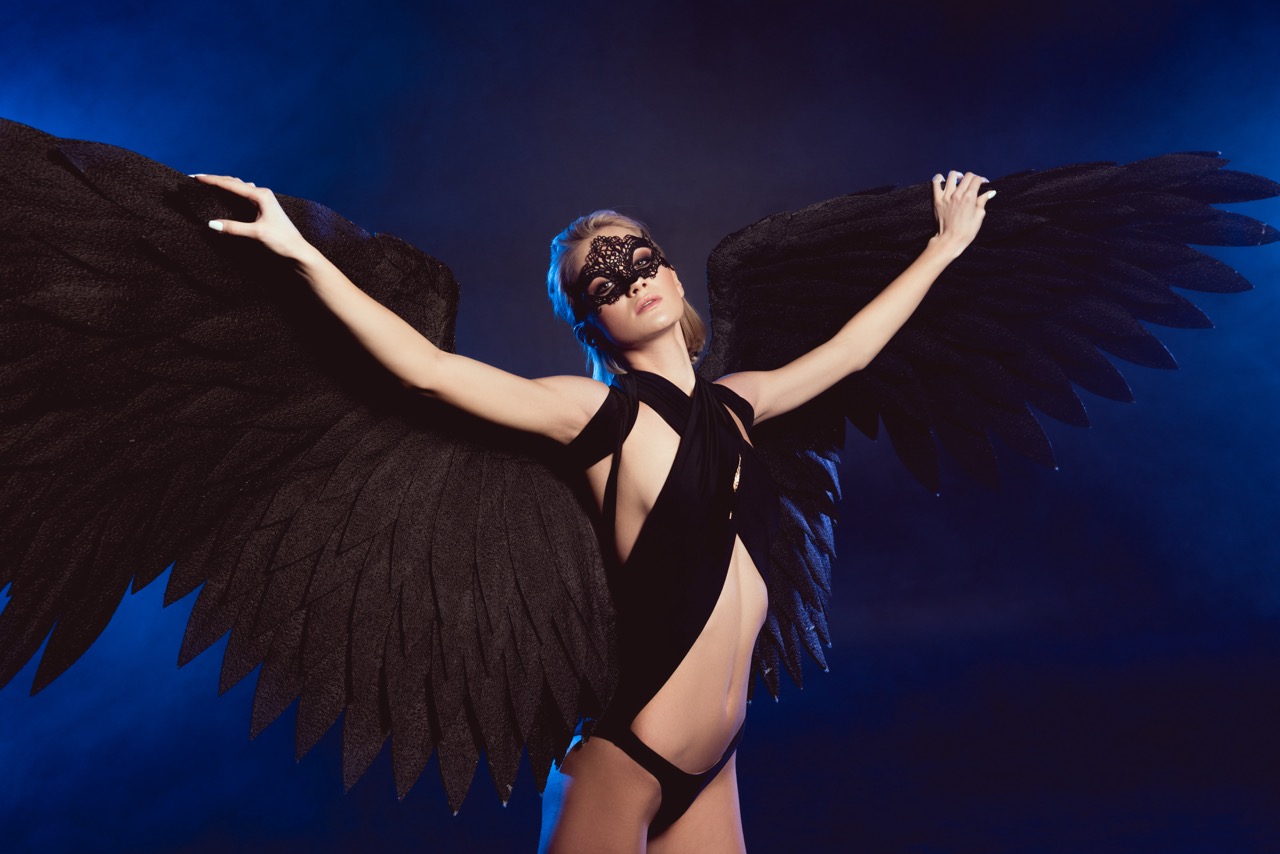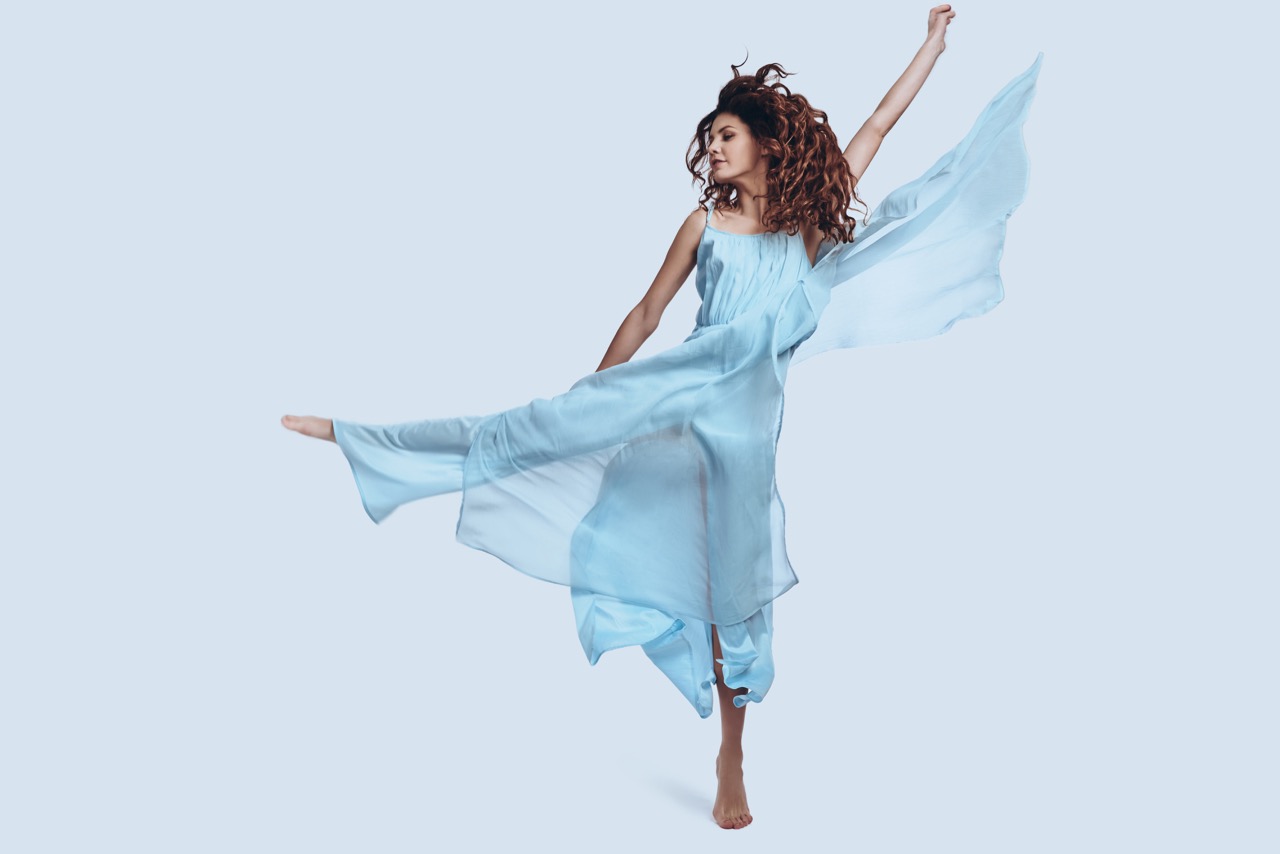

The world of fashion and design is often interwoven with various art forms, and one of the most fascinating intersections is between ballet costumes and modern wing designs. Ballet, a discipline steeped in tradition, elegance, and expressive storytelling, has influenced many creative fields. The ethereal qualities of ballet costumes—crafted to enhance movement and embody character—have inspired contemporary designers to explore new dimensions in wing aesthetics. As we delve into this captivating relationship, we will uncover how the artistry of ballet costumes shapes modern wing designs, creating a dialogue between two diverse yet complementary realms.
From Classical Elegance to Contemporary Aesthetics in Wings
Ballet costumes are renowned for their classical elegance, characterized by flowing lines, intricate details, and a palette that often ranges from soft pastels to vibrant hues. This historical charm has influenced modern wing designs, which strive to capture the same sense of grace and beauty. Designers are increasingly drawing parallels between the traditional silhouettes of tutus and the aerodynamic forms of wings, resulting in creations that evoke the sophistication of ballet while embracing a sleek, contemporary edge.
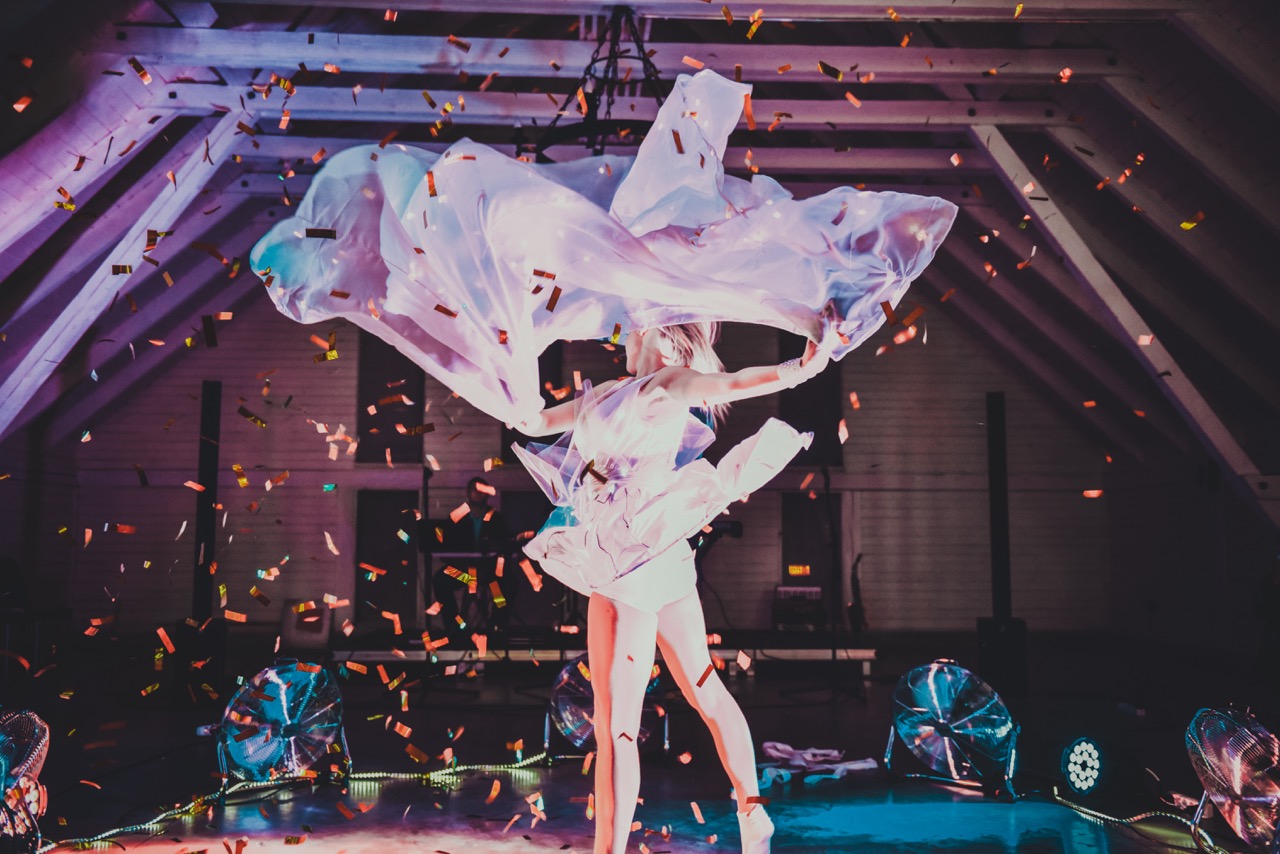
The transition from classical aesthetics to modern interpretations is evident in various design approaches. For instance, the incorporation of asymmetrical lines and unexpected shapes in wing designs reflects the contemporary reinterpretation of classical motifs found in ballet costumes. Designers are inspired by the fluidity of movement showcased in ballet, leading to wings that appear to flutter and dance, much like a prima ballerina on stage. This synergy between classical elegance and contemporary aesthetics enhances the visual impact of wing designs, inviting audiences to appreciate the artistry behind both forms.
Moreover, the narrative aspect of ballet costumes, which often convey emotion and character, has sparked a similar storytelling approach in wing designs. Modern wings are not merely functional; they embody a story, a feeling, or even a persona. This alignment with ballet’s emotive storytelling allows designers to craft wings that resonate on a deeper level, transforming them into visual poetry that captures the essence of flight and freedom.
The Artistry of Ballet Costumes: A Wing Design Exploration
The intricate craftsmanship behind ballet costumes is fundamental to their allure. Designers meticulously select fabrics, embellishments, and silhouettes that elevate the dancer’s performance. This commitment to artistry and detail has inspired modern wing designers to prioritize craftsmanship in their creations. As a result, contemporary wings are often adorned with elaborate embroidery, sequins, and unique textures, mirroring the exquisite details found in ballet costumes.
Furthermore, the use of color in ballet costumes serves as a significant point of reference for wing designers. The ability to convey emotion and narrative through color choices in ballet has led to innovative color palettes in modern wings. Designers are now experimenting with gradients, iridescent materials, and bold contrasts, creating wings that reflect the dynamic spectrum of human expression. This exploration of color not only enhances the visual appeal but also deepens the connection between the wearer and their intended message.
Additionally, the collaborative nature of ballet production—where choreographers, costume designers, and dancers work in unison—has inspired a similar collaborative ethos in wing design. By involving artists from various disciplines, such as visual art, fashion, and technology, modern wings are evolving into multifaceted works of art. This collective approach mirrors the spirit of ballet, fostering innovation and pushing the boundaries of what wings can represent and how they can function.
Textiles and Textures: Bridging Ballet and Modern Wings
One of the most striking connections between ballet costumes and modern wing designs lies in the choice of textiles and textures. Ballet costumes traditionally employ fabrics like tulle, silk, and satin to create a sense of lightness and movement. These materials lend themselves to flowing forms and delicate embellishments, qualities that are increasingly being adopted in wing designs. The interplay of these textiles enhances the visual and tactile experience, inviting audiences to engage with the artwork on a sensory level.
Modern wing designers are also experimenting with innovative materials that expand upon traditional textiles. Incorporating technological advancements, designers are exploring lightweight composites, biodegradable fabrics, and even LED integrations, pushing the boundaries of what is possible in wing construction. These contemporary materials not only enhance the aesthetic appeal but also emphasize sustainability, a growing concern in both fashion and design. By adopting eco-friendly practices, designers honor the artistry of ballet costumes while adapting to the demands of a modern audience.
The juxtaposition of textures also plays a significant role in bridging ballet and wing designs. The layering of fabrics in ballet costumes, which adds depth and dimension, is mirrored in the multi-textural approach of modern wings. Designers are utilizing contrasting textures—smooth, reflective surfaces alongside rough, organic finishes—to create visual interest and complexity. This exploration of textures fosters a dialogue between the two realms, highlighting how both ballet and wing designs can evoke emotion, movement, and a sense of wonder.
Transforming Flight: Inspirations from Dance in Design
The concept of flight has long been a source of inspiration in various artistic disciplines, but the specific influence of dance, particularly ballet, offers a unique perspective. The gracefulness inherent in ballet movements, characterized by leaps, spins, and fluid transitions, has informed the design of wings that capture this essence of motion. Modern wing designers are channeling the elegance and dynamism of ballet to create designs that not only symbolize flight but also embody the spirit of dance itself.
Choreography serves as another vital influence on wing design, where the rhythm and flow of movement are paramount. Just as a choreographer carefully constructs sequences to evoke emotion, wing designers are paying close attention to the movement potential of their creations. Wings are often engineered to mimic the fluidity of a dancer’s motion, whether through mechanical means or the choice of materials. This thoughtful design approach ensures that wings don’t merely represent flight, but rather enact it, allowing wearers to experience a sense of liberation reminiscent of a dancer’s performance.
Moreover, the cultural significance of ballet as an expression of artistry and emotion has profoundly impacted modern wing designs. Designers are increasingly incorporating cultural narratives and inspirations drawn from various dance forms into their creations. This intersection of ballet and other dance styles allows for a rich tapestry of influences, resulting in wings that tell stories beyond mere aesthetics. These designs transcend traditional boundaries, celebrating the universal language of movement and the transformative power of flight.
The interplay between ballet costumes and modern wing designs illuminates a remarkable narrative of creativity and inspiration. As designers explore the elegant artistry, intricate textiles, and emotive storytelling found in ballet, they breathe new life into the concept of wings, transforming them into expressive works of art. This collaboration between two distinct yet complementary disciplines not only enhances the visual language of wings but also invites us to reflect on the beauty of movement and the artistry of flight. As we continue to witness this evolution, one can only imagine the future possibilities that lie ahead, bridging the worlds of dance and design in ever more innovative and captivating ways.