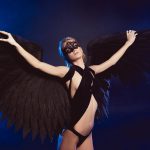
In the realm of theatrical performance, fantasy-themed dance captivates audiences through its unparalleled ability to transport them into otherworldly realms. At the heart of this enchanting art form lies the innovative use of dance wings—an expressive prop that not only enhances the visual spectacle but also embodies the ethereal essence of the stories being told. These delicate creations allow performers to weave complex narratives through movement, bridging the gap between reality and imagination. This article explores how dance wings can elevate fantasy-themed dance performances, creating a magical experience that resonates with viewers.
Enchanting Illusions: The Magic of Dance Wings Unveiled
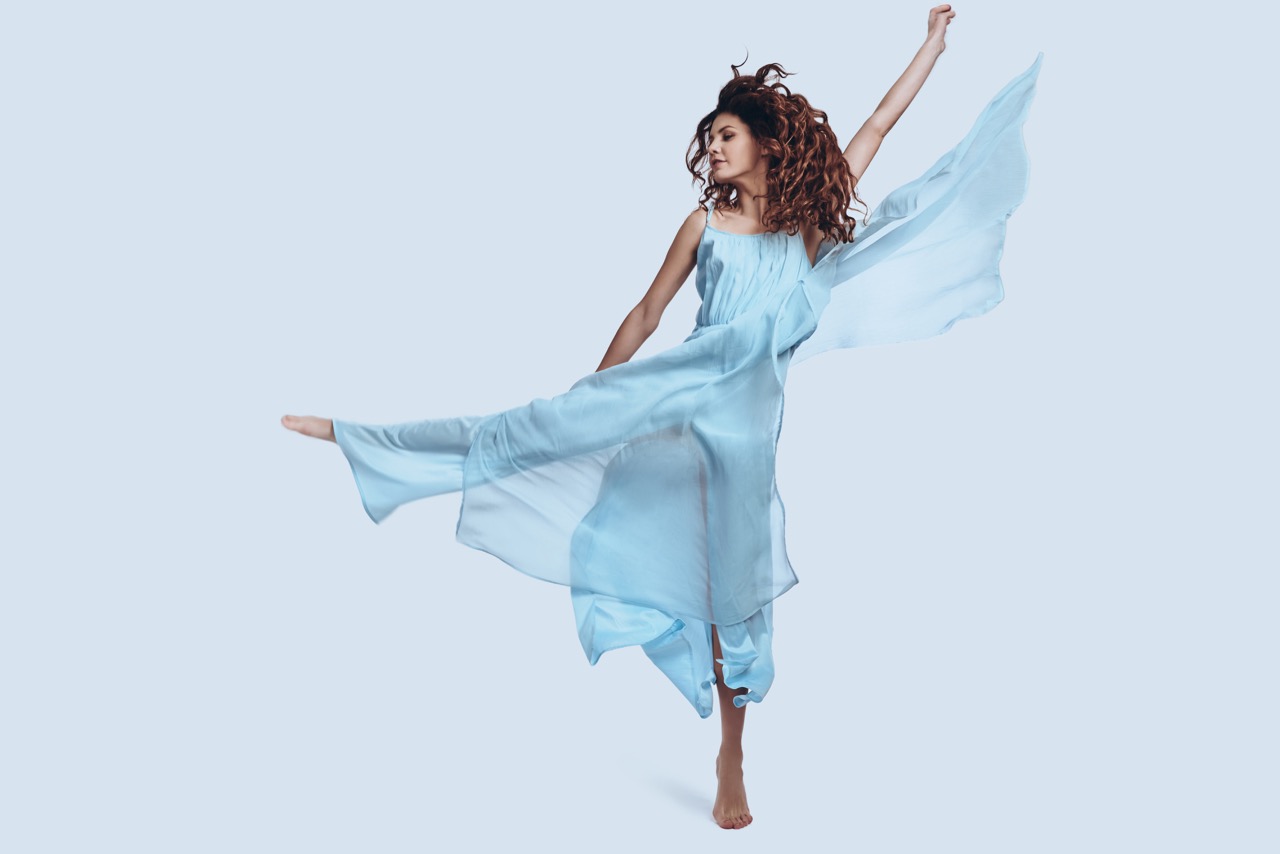
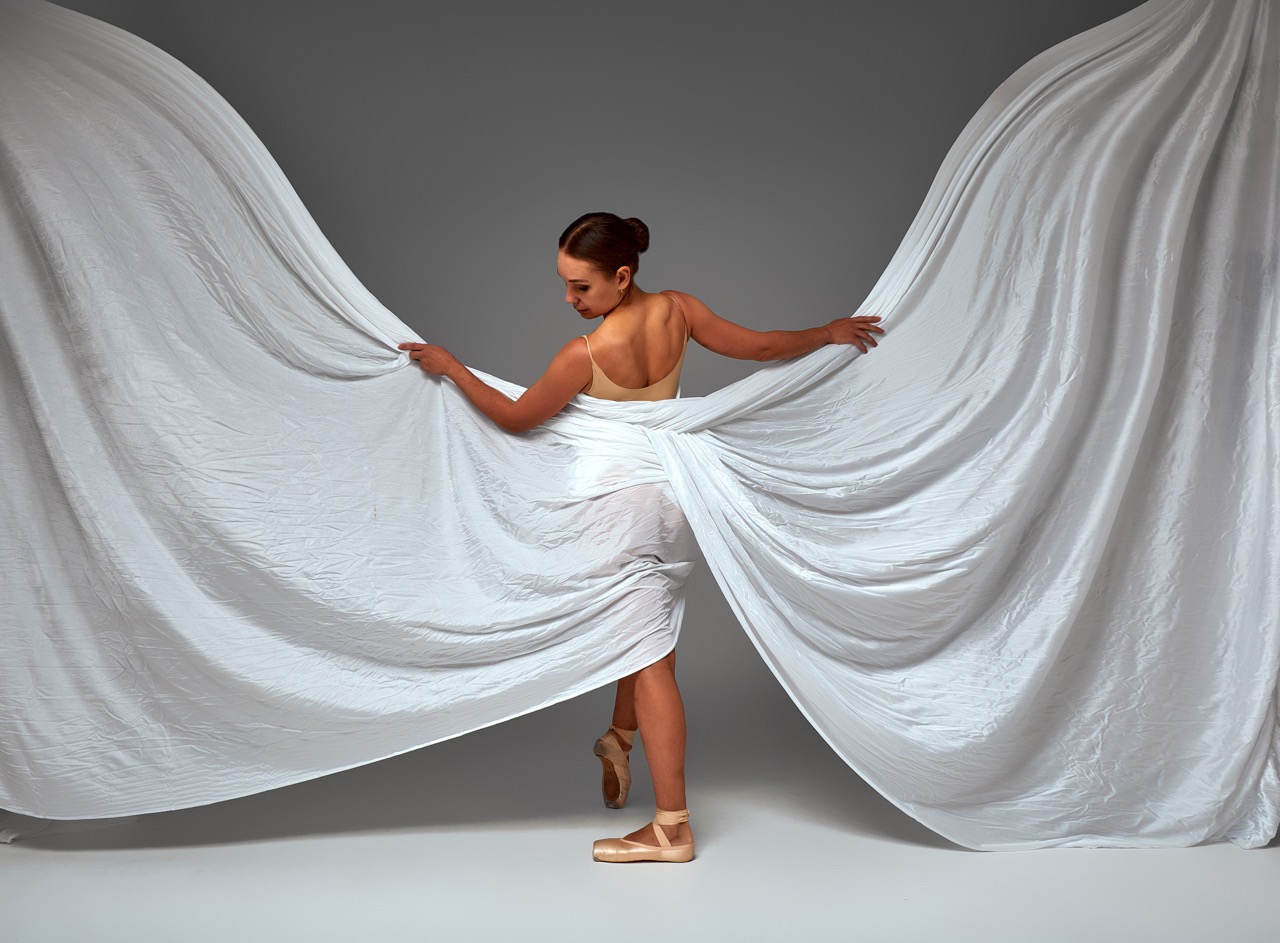
The allure of dance wings lies in their ability to create striking visual illusions that mesmerize audiences. Crafted from sheer fabrics, these wings can mimic the fluttering of fairy wings or the majestic plumage of mythical creatures. When combined with expert choreography, the wings transform dancers into enchanting beings, captivating viewers with their fluid movements and shimmering textures. The manipulation of light through the fabric adds an additional layer of magic, as colors shift and change, reflecting the mood and theme of the performance.
Moreover, dance wings are not merely decorative; they are a storytelling device. Each flutter and fold can symbolize emotions, intentions, or transformations, allowing dancers to convey complex narratives without uttering a single word. For instance, a dancer might use sweeping motions to represent the flight of a mythical creature, while subtle twitches could express the delicate nature of a fairy. Through precise choreography, performers can harness the power of dance wings to evoke feelings of wonder, joy, or even melancholy, immersing the audience in the fantasy world being created on stage.
The versatility of dance wings also allows for a range of interpretations across various fantasy genres. Whether embodying a forest nymph or a celestial goddess, dancers can adapt their movements to reflect the qualities of their character, utilizing the wings as an extension of their own bodies. The result is an enchanting display that blurs the lines between the performer and the character, inviting the audience into a captivating narrative filled with magic and wonder.
Transforming Movement: Dance Wings in Fantasy Storytelling
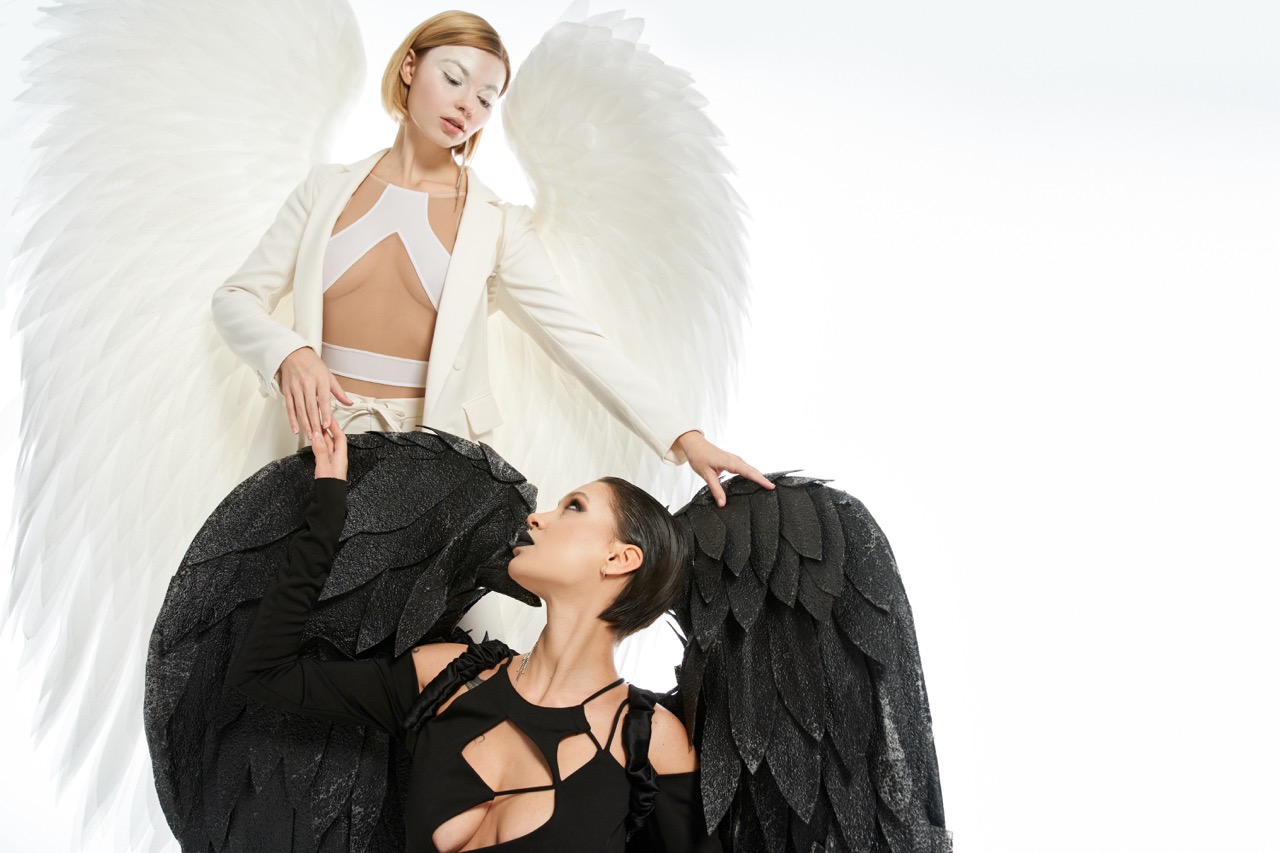
In fantasy-themed performances, storytelling is paramount, and dance wings serve as a powerful tool to enhance this narrative. By integrating wings into their choreography, dancers can create a visual dialogue that complements their movements and enriches the overall story. For instance, a storyline centered around a battle between light and darkness can be expressed through contrasting wing colors and movements—light, airy motions against heavier, grounded gestures. This duality not only keeps the audience engaged but also deepens their emotional investment in the unfolding drama.
Beyond mere decoration, dance wings can also signify the evolution of a character. A dancer might begin their performance with a subdued use of wings, representing a character’s hesitance or vulnerability. As the narrative develops and the character experiences growth or transformation, the wings can be utilized more dynamically, embodying newfound strength or confidence. This gradual metamorphosis becomes a visual metaphor for the character’s journey, making the narrative even more compelling and relatable.
Furthermore, the thematic versatility of dance wings allows for explorations of various fantasy motifs, from whimsical fairy tales to dark, mythical sagas. Dancers can experiment with unique styles of winged movement—graceful, sweeping arcs for light-hearted tales or sharp, angular motions for more intense stories. The choreography becomes a manifestation of the story itself, with each flutter and gesture inviting the audience to explore the intricacies of the narrative on a deeper level.
Techniques to Elevate Your Performance with Dance Wings
To harness the full potential of dance wings, performers must master specific techniques that enhance their movements. One of the most effective methods is to synchronize wing movements with breath and body motions. By aligning the rise and fall of the wings with their inhalation and exhalation, dancers can create a seamless flow that enhances the overall aesthetic. This technique not only adds a layer of complexity but also reinforces the emotional beats of the performance, allowing the audience to feel the rhythm of the story.
Additionally, incorporating spatial awareness is crucial when working with dance wings. Dancers should be conscious of their surroundings, ensuring that their movements do not become restricted by the wings. Practicing in various spaces allows performers to adapt their choreography on the fly, utilizing the wings to create dynamic shapes and patterns in the air. This adaptability is particularly important in ensemble performances, where cooperation and timing can transform a simple movement into a breathtaking spectacle.
Lastly, the use of props in conjunction with dance wings can amplify the visual impact of a performance. Simple elements such as ribbons or lighting can enhance the ethereal quality of the wings and add depth to the narrative. For instance, using colored lights to project shadows of the wings onto the stage can create a mesmerizing effect, captivating the audience’s attention even further. Exploring these creative combinations allows dancers to push the boundaries of their performances and fully embrace the magical nature of fantasy storytelling.
Captivating Audiences: The Visual Impact of Dance Wings
The visual spectacle created by dance wings is undoubtedly one of their most alluring characteristics. When a dancer takes the stage with wings unfurled, the audience is immediately drawn into a world of fantasy and imagination. The sheer beauty of the fabric coupled with the intricate choreography creates a visual feast that engages viewers on multiple levels. The graceful arcs, rapid flutters, and sweeping movements of the wings evoke a sense of wonder, making the performance not just a dance but a captivating visual narrative.
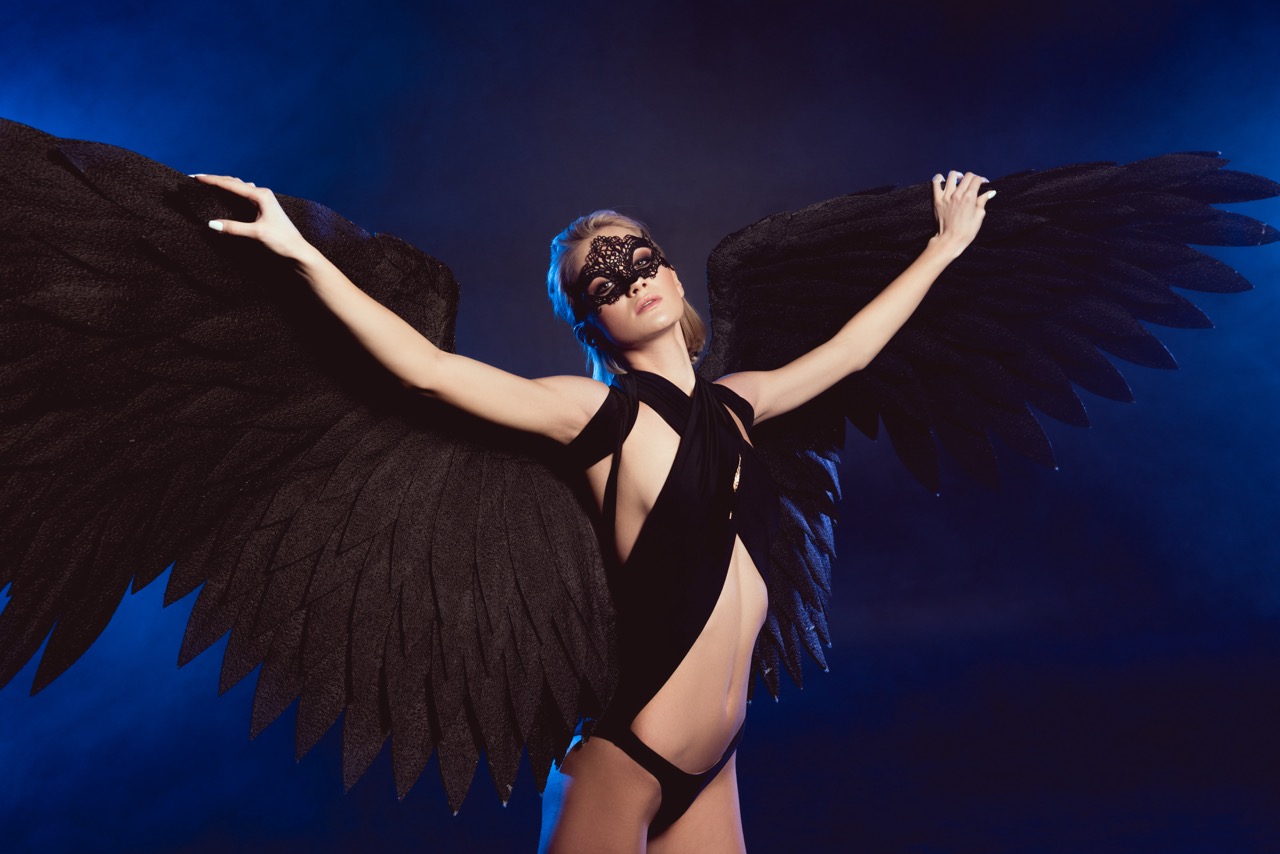
Moreover, the interplay of light and fabric offers endless opportunities for creative expression. As the wings catch the light, they can transform the stage into a vibrant tapestry, reflecting the emotional tone of the performance. For instance, using iridescent materials can create a shimmering effect that evokes the magic of a fairy tale, while darker hues can convey the mysterious aura of a mythical realm. This ability to manipulate color and texture allows performers to craft an atmosphere that resonates with the audience long after the curtain falls.
Ultimately, the impact of dance wings extends beyond mere aesthetics; they draw audiences into the story’s emotional core. When performed with passion and skill, the wings become an integral part of the narrative—embodying the character’s struggles, triumphs, and desires. This deep connection not only captivates viewers but also fosters a shared experience that transcends the performance, encouraging the audience to dream, reflect, and explore their fantasies.
Incorporating dance wings into fantasy-themed dance performances opens up a realm of possibilities for storytelling and visual enchantment. They not only enhance the aesthetic appeal of the performance but also serve as powerful tools for character development and emotional expression. By mastering the techniques that elevate their movements and utilizing the wings to create captivating narratives, performers can transport their audiences into magical worlds filled with wonder. As the lines between reality and fantasy blur, dance wings continue to inspire creativity and imagination within the performing arts, enchanting audiences of all ages.