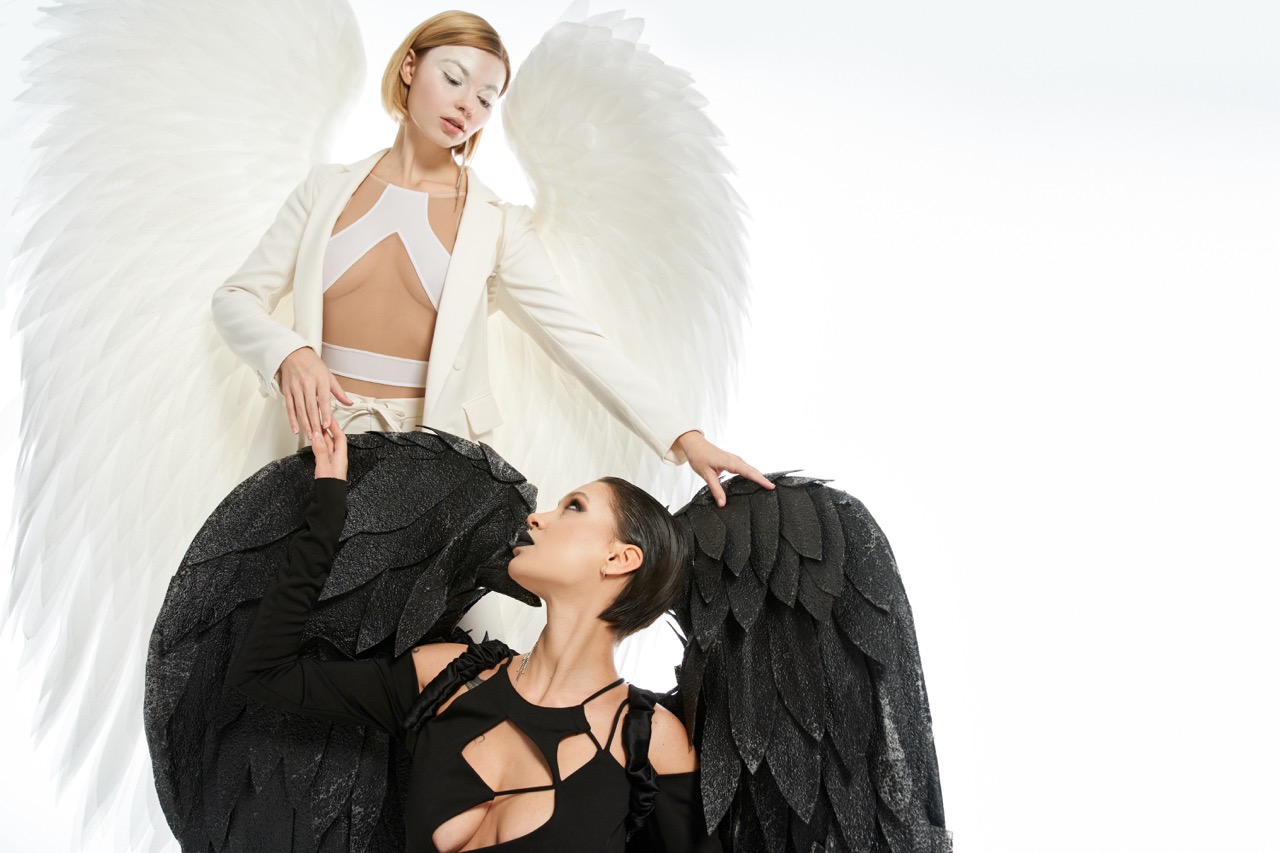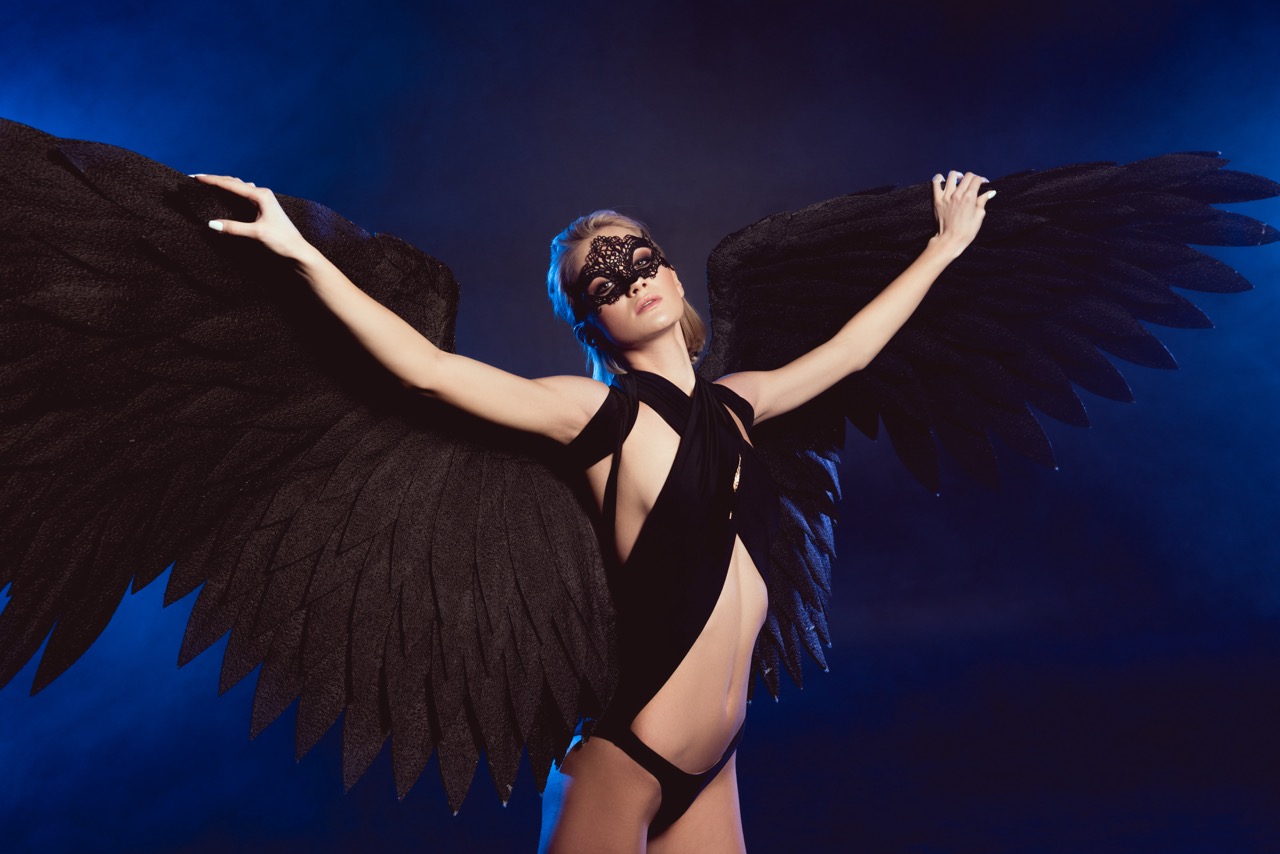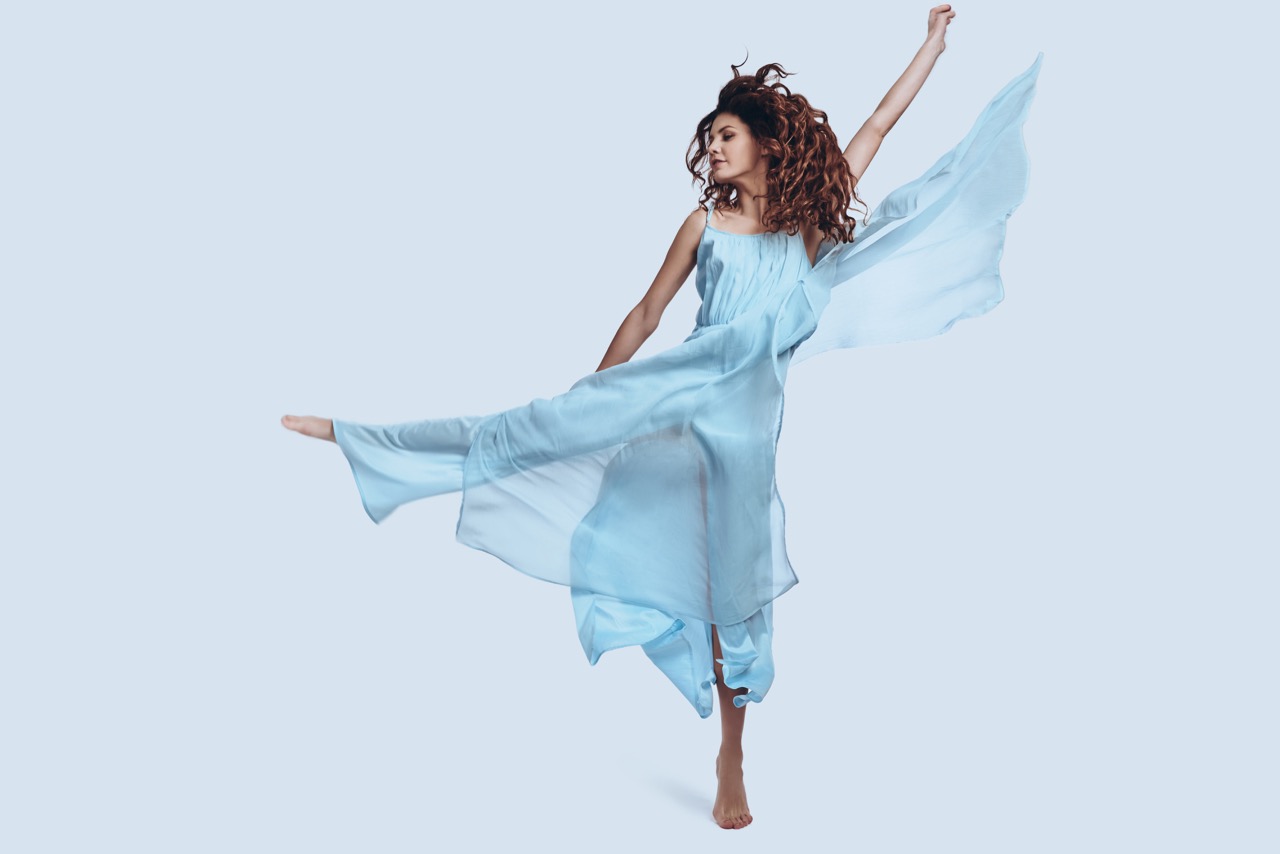
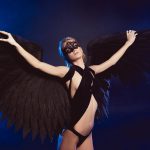
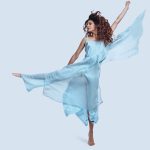
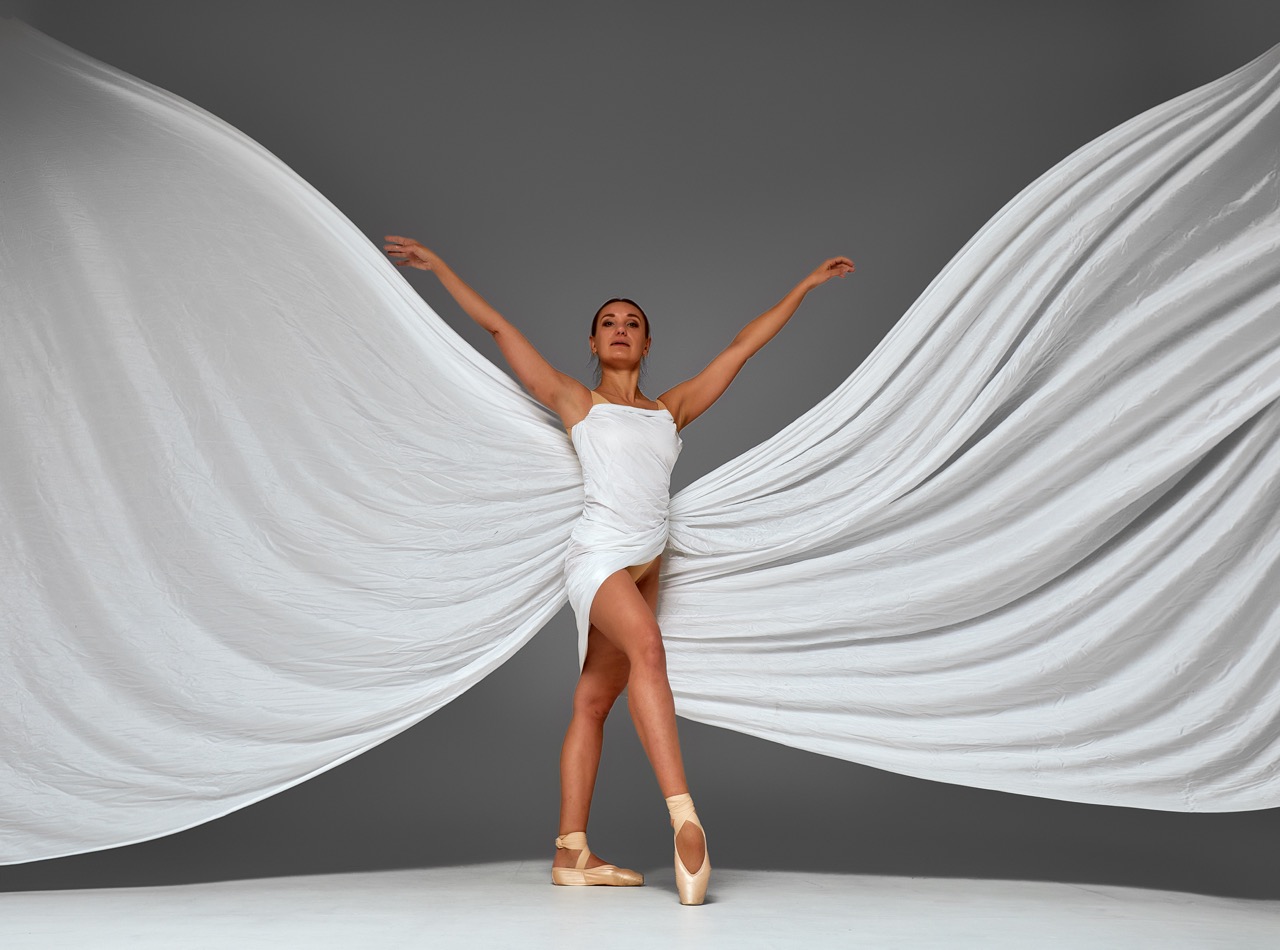
In the world of dance and performance, visual elements play a crucial role in enchanting audiences and enhancing storytelling. Among these elements, dance wings have emerged as a powerful symbol of grace and artistry in popular movies and television shows. These flowing extensions, often crafted from lightweight materials that billow with movement, add an ethereal quality to choreographic routines, capturing the imagination of viewers everywhere. In this article, we explore the rise of dance wings, their iconic moments in cinematic history, the intricate design processes behind them, and their impact on contemporary fashion trends.
The Rise of Dance Wings: A Cinematic Fashion Revolution
Dance wings first gained prominence in the early 20th century, but it was not until the advent of musical films and television shows that they became a staple in the performance wardrobe. As dancers sought to impress audiences with not just their moves but also their visual presentation, the introduction of dance wings allowed for an elevated aesthetic that transformed traditional dance into a multisensory experience. In movies and shows, dancers adorned in vibrant wings became synonymous with elegance and spectacle, captivating viewers’ imaginations with every flick of fabric.
The evolution of dance wings can be traced through various film genres, particularly in musicals and fantasy adaptations. As choreography evolved to become more expressive and dynamic, so too did the designs of dance wings. From the classic chiffon and silk creations of the 1950s to modern interpretations incorporating LED lights and metallic fabrics, these wings have continually adapted to reflect contemporary tastes and trends. This transformation signifies not just a change in fashion but a broader cultural shift in how performance art is perceived, as wings symbolize freedom and creativity.
Today, dance wings are not only featured in theatrical productions but have also permeated social media and popular culture. Influencers and choreographers use platforms like TikTok and Instagram to showcase their dance routines, often incorporating dance wings to amplify the visual impact of their performances. This newfound accessibility has democratized performance art, inviting a wider audience to appreciate the beauty of dance wings and inspiring a generation of dancers to explore their own unique styles.
Iconic Moments: Dance Wings in Film and Television History
Several unforgettable moments in film and television have galvanized the popularity of dance wings. One of the earliest examples can be seen in the 1952 classic "Singin’ in the Rain," where Debbie Reynolds, alongside Gene Kelly, dazzled audiences with her enchanting choreography and vibrant winged costume. The choreography, coupled with the billowing fabric, created an enchanting spectacle that not only enhanced the dancers’ movements but also highlighted the emotional undertones of the story.
Another iconic instance occurred in the 2005 adaptation of "The Phantom of the Opera," where the character of Christine Daaé, portrayed by Emmy Rossum, donned exquisite dance wings during her famed performances. The wings became a visual representation of her character’s longing and ambition, elevating the drama of the narrative. This moment underscored how dance wings can transcend mere decoration, becoming integral to character development and storytelling.
In contemporary television, shows like "So You Think You Can Dance" and "Dancing with the Stars" have featured numerous performances that utilize dance wings to great effect. These reality competitions not only showcase individual talent but also spark trends among amateur dancers who seek to emulate the stunning visual effects presented by established performers. The integration of dance wings into these formats has solidified their place in modern pop culture, furthering their appeal and adaptability in various artistic expressions.
Behind the Scenes: Crafting the Perfect Dance Wing Design
The creation of dance wings is as intricate as the performances they enhance. Designers often begin by studying the concept and theme of the performance, considering how the wings can reflect the character’s emotions and the narrative arc. From selecting fabrics that flow and shimmer to determining the size and shape of the wings, every detail is meticulously planned to achieve the desired visual impact. Materials such as chiffon, silk, and organza are popular choices, allowing for a lightweight and fluid aesthetic that complements dynamic choreography.
Collaboration between costume designers and choreographers is key in crafting the perfect dance wing. Designers often engage dancers early in the process to understand their movement styles and preferences. This collaborative spirit ensures that the wings not only look stunning but also allow for freedom of movement, as performers need to feel comfortable and unrestricted while delivering their routines. Additionally, innovations in technology have opened doors for designers to experiment with LED lighting and other effects that can further amplify the visual experience.
Moreover, the maintenance and care of dance wings require an understanding of fabric properties and performance demands. Designers must ensure that the wings are durable enough to withstand vigorous choreography while maintaining their aesthetic appeal. Post-performance, they often require cleaning and repairs to stay in top shape for future shows. This blend of artistry, practicality, and innovation is what drives the evolution of dance wing design, making them an integral part of the performance art landscape.
Cultural Impact: How Dance Wings Shape Modern Style Trends
The influence of dance wings extends beyond the stage and screen, infiltrating fashion trends and inspiring designers globally. With the rise of athleisure and performance wear, many contemporary fashion houses have started to incorporate flowing silhouettes reminiscent of dance wings into their collections. Designers are experimenting with fluttering fabrics, layered textiles, and draping techniques that echo the elegance of dance, reflecting a broader desire for movement and fluidity in everyday attire.
The impact of social media cannot be understated in this cultural shift. Platforms like Instagram and TikTok have popularized dance challenges and performances, often featuring dancers in winged costumes that evoke fantasy and whimsy. This exposure has led to a resurgence in popularity for dance wings, influencing fashion trends in both high-end and streetwear. As a result, we see a blend of theatricality and practicality in modern clothing, with consumers gravitating towards pieces that allow for self-expression and movement.
Furthermore, dance wings have also sparked conversations around body positivity and diversity in performance art. As more performers with varying body types and backgrounds take to the stage wearing dance wings, they challenge traditional notions of beauty and performance. This shift encourages a more inclusive understanding of artistry, inspiring both designers and consumers to embrace styles that celebrate individuality and self-expression while emphasizing the transformative power of dance.
The fashion of dance wings has undergone a remarkable evolution, transitioning from a niche theatrical accessory to a significant cultural phenomenon. Through iconic moments in film and television, meticulous design processes, and a profound impact on modern style trends, dance wings have established themselves as symbols of creativity and artistry. As we continue to witness the interplay between performance art and fashion, we can expect dance wings to remain a timeless element of expression, inspiring future generations of dancers and fashion enthusiasts alike.