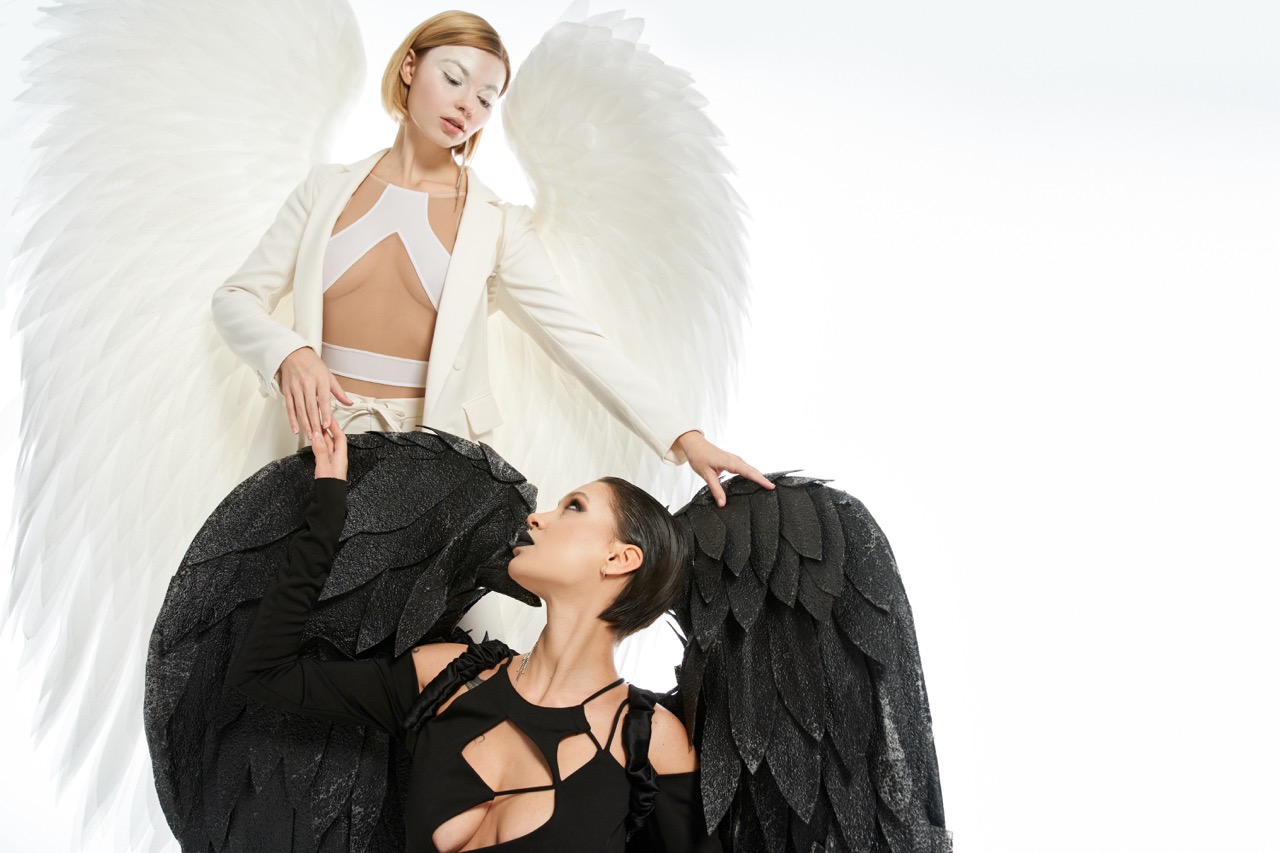

Dance, an expressive art form that transcends cultural boundaries, takes on many forms, each with its unique characteristics and storytelling techniques. Among the varied elements that enhance dance performances, "wings" serve as an intriguing metaphor—representing not just physical appendages but also the imaginative extensions of movement that reflect the essence of a dance genre. From the elegant flares of ballet to the vibrant flourishes of traditional folk dances, the concept of wings manifests differently across styles, enriching the narrative and emotional depth of each performance. This exploration unveils the diversity of dance wings across genres, revealing how they contribute to the artistry of movement in ballet and contemporary dance, highlight the cultural significance in traditional forms, and showcase modern interpretations in fusion styles.
Unveiling the Diversity: Dance Wings Across Genres
Dance wings, both literal and figurative, vary significantly across the vast landscape of dance genres. In classical ballet, wings often take the form of intricately designed tutus that expand elegantly with each pirouette and leap. In contrast, contemporary dance embraces fluidity and freedom, utilizing loose fabrics and natural movements that create an ethereal sense of wings. These differences illustrate how the concept of wings serves not only functional purposes—enhancing visibility and aesthetics—but also symbolizes the emotional journey of the dancer, from the rigid structure of ballet to the organic expression found in contemporary styles.
Moreover, the notion of wings extends beyond physical garments and gestures to encompass the broader themes of flight and liberation inherent in various dance forms. In jazz and hip-hop, for example, the energetic movements often mimic the spontaneity and vibrancy of flight, with dancers using their bodies as wings to express individuality and freedom. Each genre’s interpretation of wings reflects its underlying philosophy, whether it is the disciplined elegance of ballet or the rebellious spirit of street dance, thereby shaping the overall experience of the audience.
As dance continues to evolve, the exploration of wings in choreography remains a rich area of creativity. Artists constantly experiment with movement and imagery, employing technology and multimedia to alter the perception of wings in performance. This evolution not only broadens the definition of wings but also deepens the dialogue between genres, illustrating the interconnectedness of dance as a universal language.
The Art of Movement: Wings in Ballet and Contemporary
In ballet, wings are synonymous with grace and poise, epitomized by the iconic movements of the swan or the fairy-like figures that populate classic narratives. The tutus and delicate fabrics worn by dancers not only enhance their physical appearance but also serve as an extension of their movements, accentuating every pirouette and grand jeté. Ballet’s structured choreography demands precision, and the wings created by these garments play a crucial role in visual storytelling. The audience is captivated as dancers seem to defy gravity, their wings lifting them into a realm of elegance and fantasy.
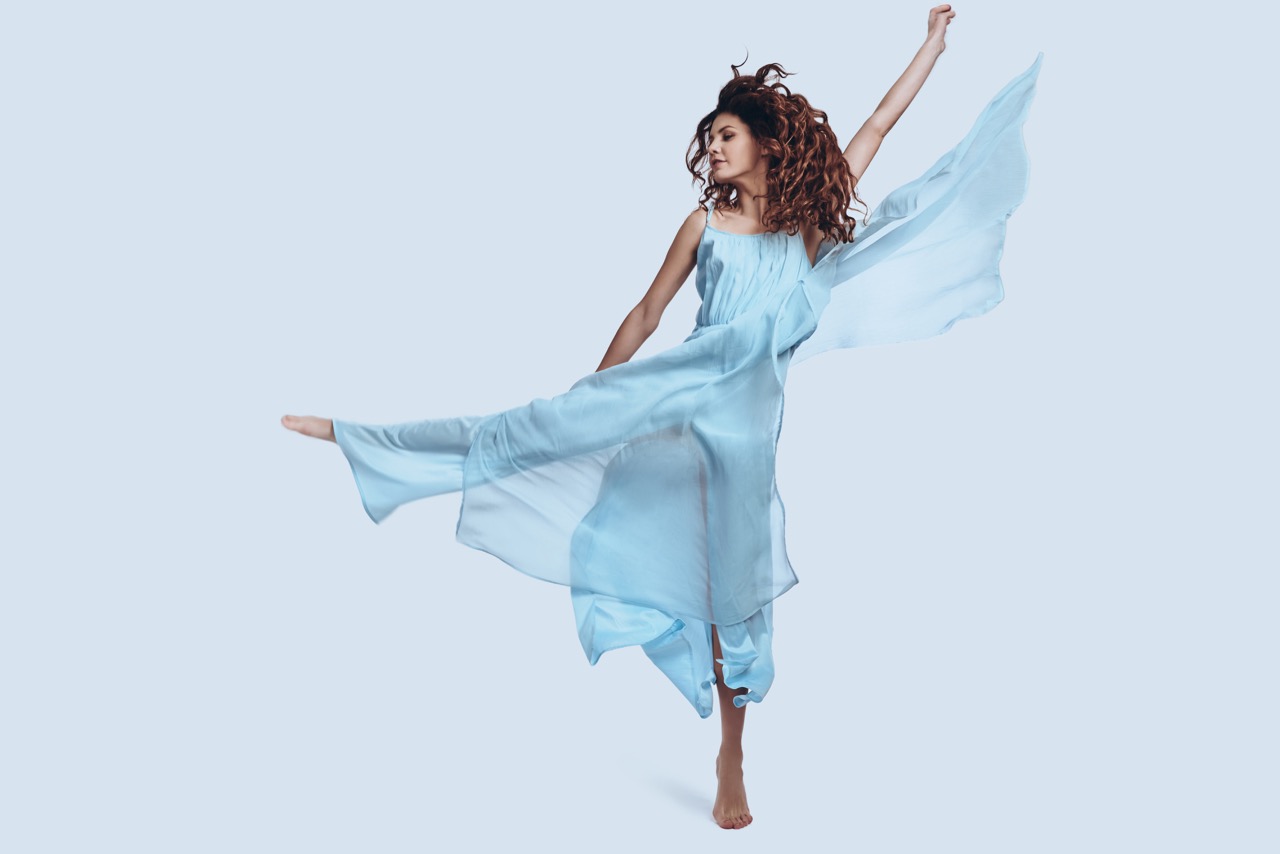
Conversely, contemporary dance often breaks away from the constraints of traditional movement, allowing wings to manifest through improvisation and personal expression. Here, wings take on various forms, from flowing fabrics that catch the air to the dancers’ own bodies, which are free to explore the space around them. The absence of rigid structure in contemporary choreography enables a broader interpretation of wings, inviting performers to embody the essence of flight through fluidity and spontaneity. As dancers move, they create a visual poetry that resonates with the audience on both emotional and intellectual levels.
The juxtaposition of wings in ballet and contemporary dance symbolizes the broader evolution of dance as an art form. While ballet may provide a stunning vision of controlled beauty, contemporary dance invites viewers to explore the raw, authentic expressions of the human experience. This dynamic interplay allows each genre to enrich the other, fostering innovation and inspiring the next generation of dancers to think creatively about how wings can elevate their storytelling.
Cultural Significance: Wings in Traditional Dance Forms
In traditional dance forms around the world, wings often carry deep cultural significance, playing a pivotal role in the narratives and rituals they represent. From the ornate costumes of Indian classical dance forms like Bharatanatyam to the exaggerated arm movements in African tribal dances, wings symbolize not only aesthetic beauty but also cultural identity and heritage. These dances often tell stories of myth, history, and community, with the movements of the wings reflecting the values and beliefs of the cultures they originate from.
For instance, in the traditional Flamenco dance of Spain, the dancer’s arms and skirts create a striking visual representation of wings, emphasizing passion and intensity. The use of vibrant colors and dramatic gestures communicates emotions that resonate with the audience, evoking a collective experience of cultural and artistic expression. Similarly, in the Middle Eastern dance form known as Raqs Sharqi, the flowing movements of the arms and fabric mimic the grace of a bird in flight, transporting the viewer to a space of enchantment and storytelling.
The cultural significance of wings in traditional dance transcends mere aesthetic appeal; it embodies the spirit and essence of the communities that uphold these art forms. As dancers engage with their cultural heritage through the representation of wings, they preserve and promote a rich tapestry of traditions that enrich the global dance landscape. This interplay between movement and culture highlights the profound impact that dance can have in bridging generations and fostering a sense of belonging.
Modern Interpretations: Evolving Wings in Fusion Styles
In the realm of fusion dance styles, the concept of wings has taken on new dimensions, blending elements from various genres to create innovative expressions of movement. Dancers today often incorporate aspects from hip-hop, contemporary, and traditional forms, resulting in a rich tapestry of styles that reflect a more globalized world. In these performances, wings become an emblem of creativity and boundary-pushing, as artists experiment with diverse techniques and aesthetics to craft their unique identities.
For instance, the rise of dance styles such as Bollywood fusion showcases how traditional Indian dance can intermingle with modern Western influences, resulting in vibrant performances that embody the spirit of contemporary culture. Here, wings are represented through vibrant costumes and dynamic choreography, creating an electrifying visual experience that captivates audiences. This seamless blending of genres not only reflects the dancers’ versatility but also highlights the evolving nature of cultural expression in the modern age.
Moreover, the use of technology in dance has introduced yet another layer to the interpretation of wings. Dancers now incorporate digital media and interactive elements into their performances, allowing them to explore the concept of wings in ways previously unimaginable. Projections, augmented reality, and innovative lighting techniques can enhance the representation of wings, creating a multi-sensory experience that engages audiences on multiple levels. This evolution underscores the boundless potential of dance as a medium for storytelling and personal expression, inspiring a new generation of artists to envision wings in ever-expanding ways.
The exploration of dance wings across genres reveals the rich diversity and depth inherent in this expressive art form. From the disciplined elegance of ballet to the vibrant cultural narratives of traditional dances and the innovative interpretations found in fusion styles, wings serve as a powerful metaphor for movement, identity, and storytelling. As dance continues to evolve, the concept of wings will undoubtedly inspire future generations of dancers to push the boundaries of creativity and artistry. Ultimately, the beauty of dance lies in its ability to transcend cultural barriers, inviting us all to take flight on the wings of expression.