




Dance is often seen as a physical art form, a way to express emotions through rhythm and movement. Yet, its significance extends far beyond mere performance; it serves as a profound medium for psychological expression. The fusion of body and mind in dance opens up a unique avenue for individuals to explore their inner worlds, communicate feelings that words cannot capture, and connect with others in a shared experience of movement. This article delves into the intricate relationship between dance and psychology, focusing on the concept of "dance wings"—the liberating sensation of movement that allows individuals to soar beyond their limitations.
The Art of Movement: Exploring Dance as Psychological Expression
Dance is a universal language, transcending cultural and linguistic barriers to convey emotions and narratives. Each movement tells a story, whether it’s the gentle sway of a ballet dancer or the explosive energy of hip-hop. In these movements, dancers communicate feelings of joy, sorrow, anger, and love, often tapping into deep-seated emotions that may be difficult to articulate verbally. This form of expression not only connects the dancer with their own emotional landscape but also resonates with audiences, eliciting empathy and understanding on a collective level.
Psychologically, the act of dancing can serve as a powerful catharsis. For many, the dance floor becomes a sanctuary where individuals can release pent-up emotions, confront personal struggles, or celebrate moments of triumph. The freedom of movement allows for an exploration of identity, where dancers can embody different personas and experiment with self-representation. This transformative power of dance enables individuals to reconnect with their authentic selves, often leading to profound personal insights and growth.
Moreover, dance can be understood as an embodiment of psychological states. The way a dancer moves can reflect their mental and emotional health, serving as a physical manifestation of their internal experiences. As such, observing dance offers valuable insights into the psyche, making it a potent tool for therapists and psychologists. In this capacity, dance serves not only as a means of expression but as a therapeutic modality that can aid in understanding oneself and others.
Dance Wings: Unveiling the Connection Between Body and Mind
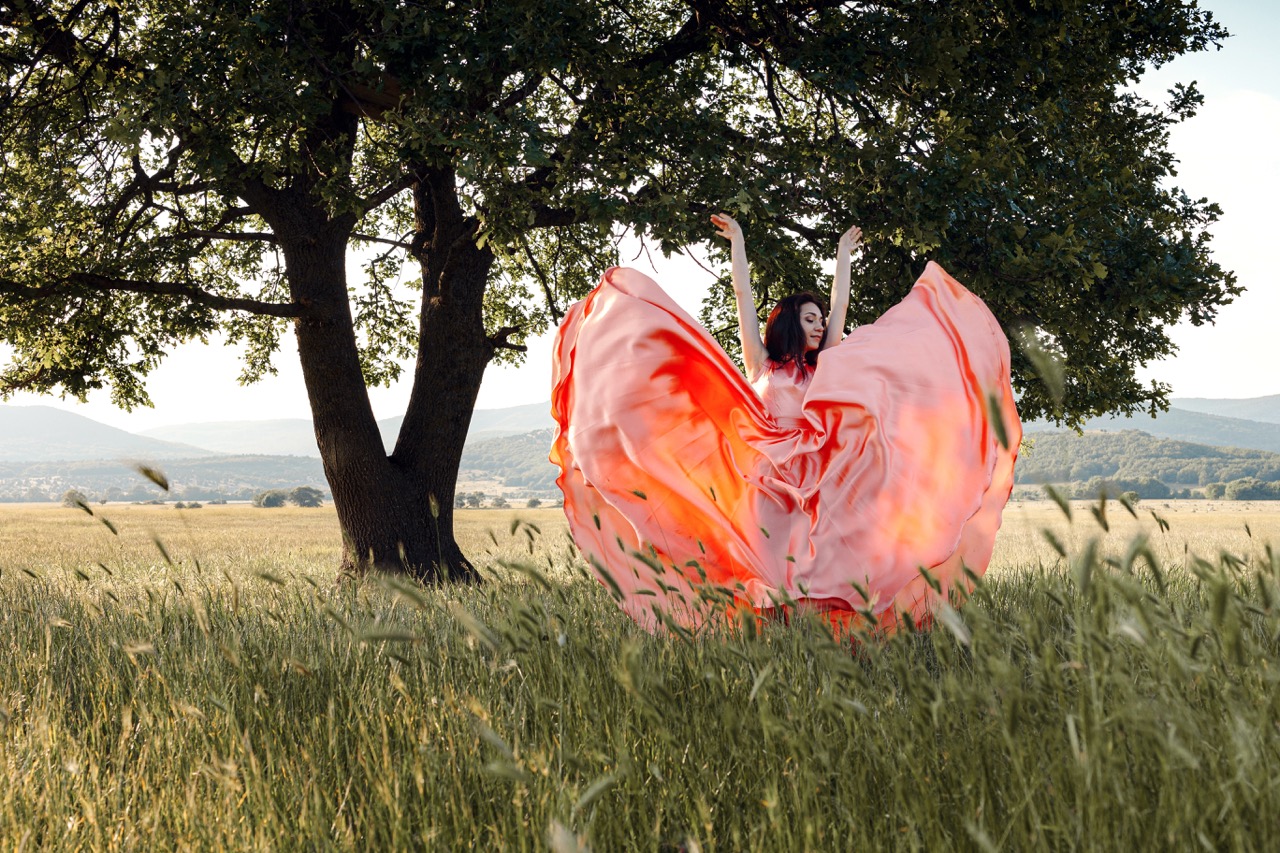
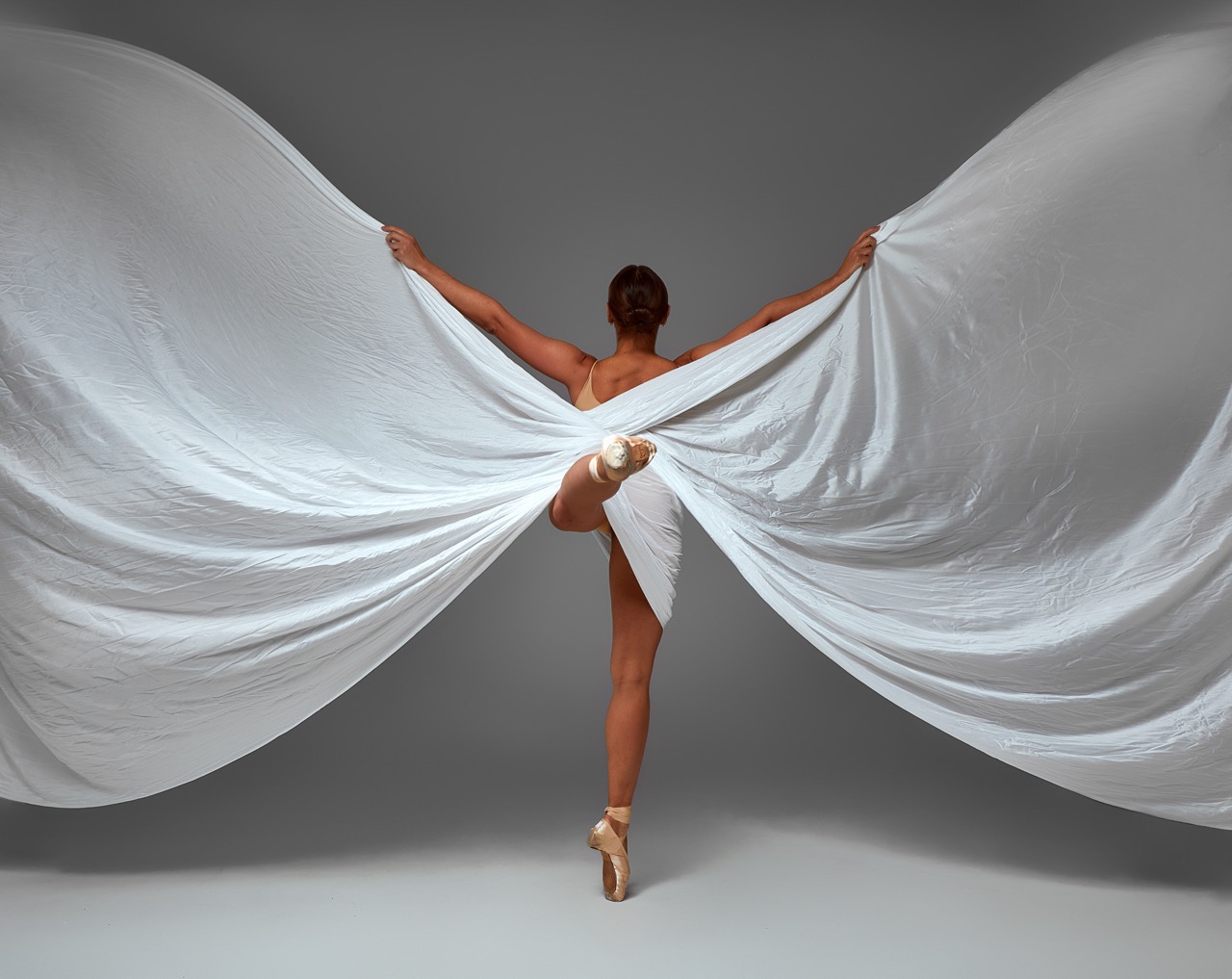
The phrase "dance wings" evokes the image of freedom and flight, encapsulating the exhilarating feeling one experiences when moving rhythmically. This sensation is rooted in the intricate connection between body and mind; as we dance, our physical movements can influence our thoughts and emotions. Engaging in rhythmic motion releases endorphins, elevating mood and fostering a sense of euphoria. This biochemical response is a testament to the power of dance as a means of psychological upliftment.
Furthermore, the concept of "dance wings" also highlights the importance of mindful movement. When individuals immerse themselves in the experience of dance, they practice being present in the moment, cultivating a mind-body connection that enhances self-awareness. This mindfulness can lead to a deeper understanding of one’s emotional states and thought patterns, allowing for greater emotional regulation and resilience in daily life. In this way, dance can act as a bridge that connects physical sensations with cognitive and emotional awareness.
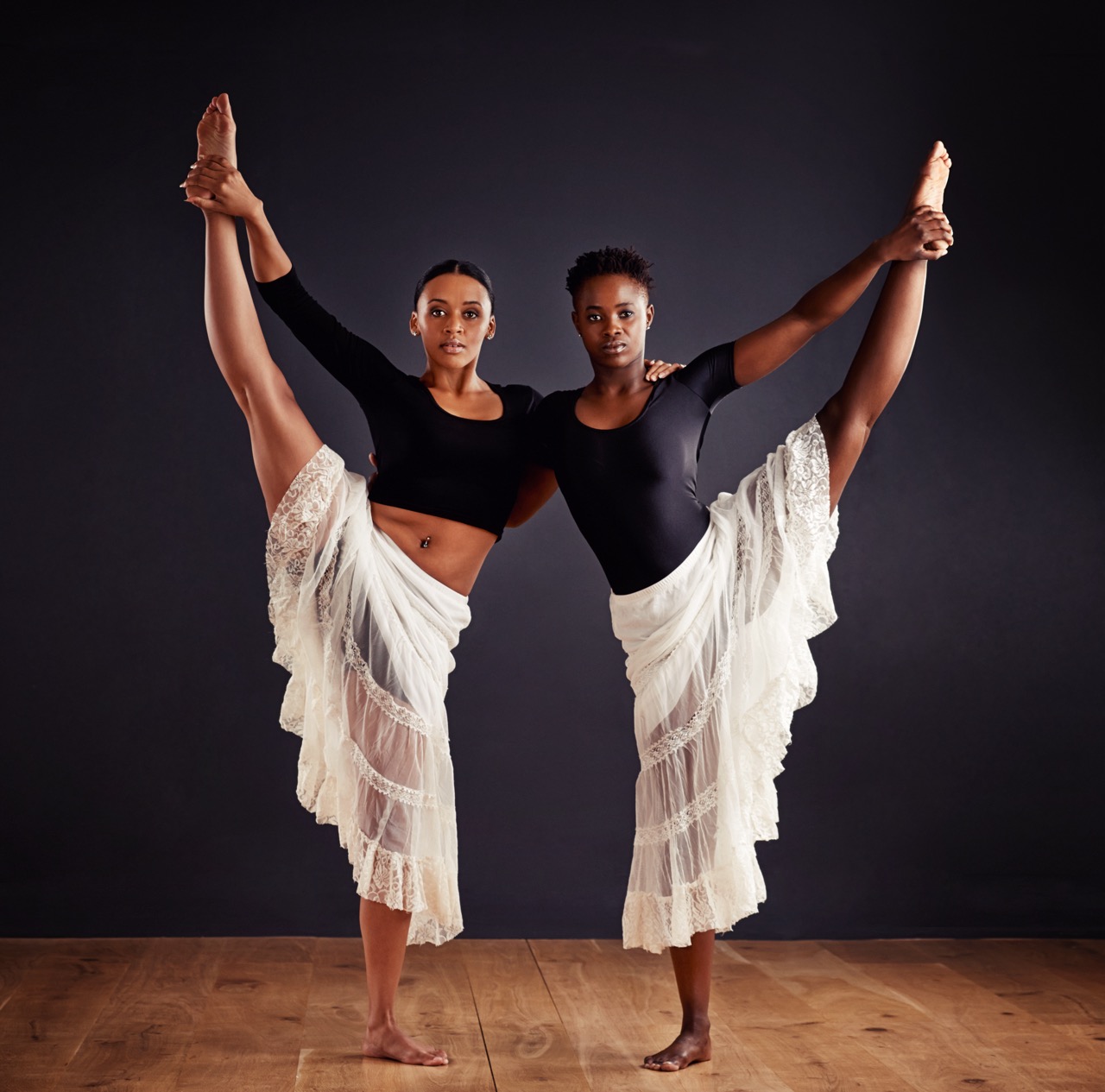
The exploration of "dance wings" also extends to the social dimension of movement. Dancing in a group setting fosters a sense of belonging and community, reinforcing social ties while promoting collective well-being. Shared experiences of rhythm and movement can create strong bonds among participants, facilitating communication on a non-verbal level. As individuals lift each other up through dance, they not only experience the joy of movement but also the profound psychological benefits of connection and support.
The Healing Power of Dance: Psychology in Motion
The transformative effects of dance extend into the realm of healing, where movement becomes a therapeutic tool for mental health. Dance therapy, a recognized form of expressive therapy, utilizes movement to promote emotional, cognitive, and social integration. Through dance, individuals can explore their feelings, release trauma, and gain insights into their mental health. The process of physically embodying emotions allows for a unique form of self-discovery and healing, making dance an invaluable resource for those grappling with psychological challenges.
Research indicates that engaging in dance can significantly reduce symptoms of anxiety and depression. The rhythmic nature of dance, combined with the release of physical energy, often leads to a reduction in stress levels and an increase in overall well-being. The communal aspect of dance also enhances its healing power, as individuals share their experiences and emotions with others, fostering a sense of solidarity and understanding. In this supportive environment, participants can feel safe to explore their vulnerabilities and find solace in shared experiences.
Moreover, the healing power of dance is evident in its ability to promote self-esteem and body positivity. As individuals embrace their bodies through movement, they often cultivate a greater appreciation for themselves, leading to improved self-image and confidence. This empowerment can have a ripple effect, affecting various aspects of life—from personal relationships to professional endeavors. In this context, dance not only serves as a therapeutic outlet but also as a source of resilience, enabling individuals to navigate life’s challenges with newfound strength and grace.
Cultivating Embodiment: How Dance Shapes Our Mental Landscape
Dance invites us to inhabit our bodies fully, cultivating a sense of embodiment that can profoundly shape our mental landscape. By engaging in movement, individuals learn to listen to their bodies, recognizing the sensations that accompany different emotions and experiences. This heightened awareness fosters an intimate relationship with oneself, encouraging self-acceptance and self-compassion. As we become more attuned to our physical selves, we develop the ability to respond to our emotional needs with greater insight and understanding.
Incorporating dance into daily life can also enhance creativity and problem-solving abilities. The freedom of movement allows the mind to break away from rigid thought patterns, paving the way for innovative thinking and fresh perspectives. As individuals learn to express themselves freely through dance, they often find that this creative energy spills over into other areas of life, igniting passion and inspiration. The act of dancing becomes not only a form of expression but a catalyst for creativity and personal transformation.
Additionally, the practice of dance encourages resilience, as individuals learn to embrace imperfection and adapt to the ebb and flow of movement. The dynamic nature of dance teaches us to be present with our experiences—whether joyful or challenging—fostering emotional flexibility. This resilience translates into daily life, equipping individuals with the tools to face adversity with grace and confidence. Thus, the act of dancing becomes not just a pleasurable activity but a powerful means of cultivating a more robust and empowered mental landscape.
In conclusion, the interplay between dance and psychology offers a rich tapestry of insights into the human experience. Through the lens of movement, we can explore our emotions, heal past wounds, and cultivate a deeper connection with ourselves and others. Dance wings symbolize the liberating potential of movement, revealing the profound relationship between body and mind. As we continue to embrace dance as a powerful form of expression and healing, we unlock the door to a world where joy, creativity, and resilience flourish, reminding us that the language of movement is indeed a vital part of our shared human journey.