
In the world of dance, fashion serves as a crucial medium for expression, allowing performers to convey emotion and narrative through movement and attire. Among the myriad design inspirations, angel and fairy wings have emerged as captivating elements that add an ethereal quality to dance fashion. These whimsical adornments not only enhance the aesthetic appeal of performances but also serve as a symbolic representation of freedom, spirituality, and the imaginative realm of fantasy. In this article, we explore the enchanting evolution of wings in dance fashion, the transformative impact of fairy wings on movement, the inspiration drawn from angelic themes, and the infusion of wings into contemporary dance wear.
The Enchantment of Wings: A Dance Fashion Evolution
The incorporation of wings in dance fashion traces back to traditional performances rooted in mythology and folklore. Historical interpretations of angels and fairies often embraced the idea of flight and transcendence, making them a fitting motif for dancers who aspire to portray these characters on stage. As dance evolved from classical ballet to modern and contemporary forms, so too did the fashion choices that accompanied these movements. Wings began to embody not just a visual spectacle but also a deeper connection to the narratives being portrayed.
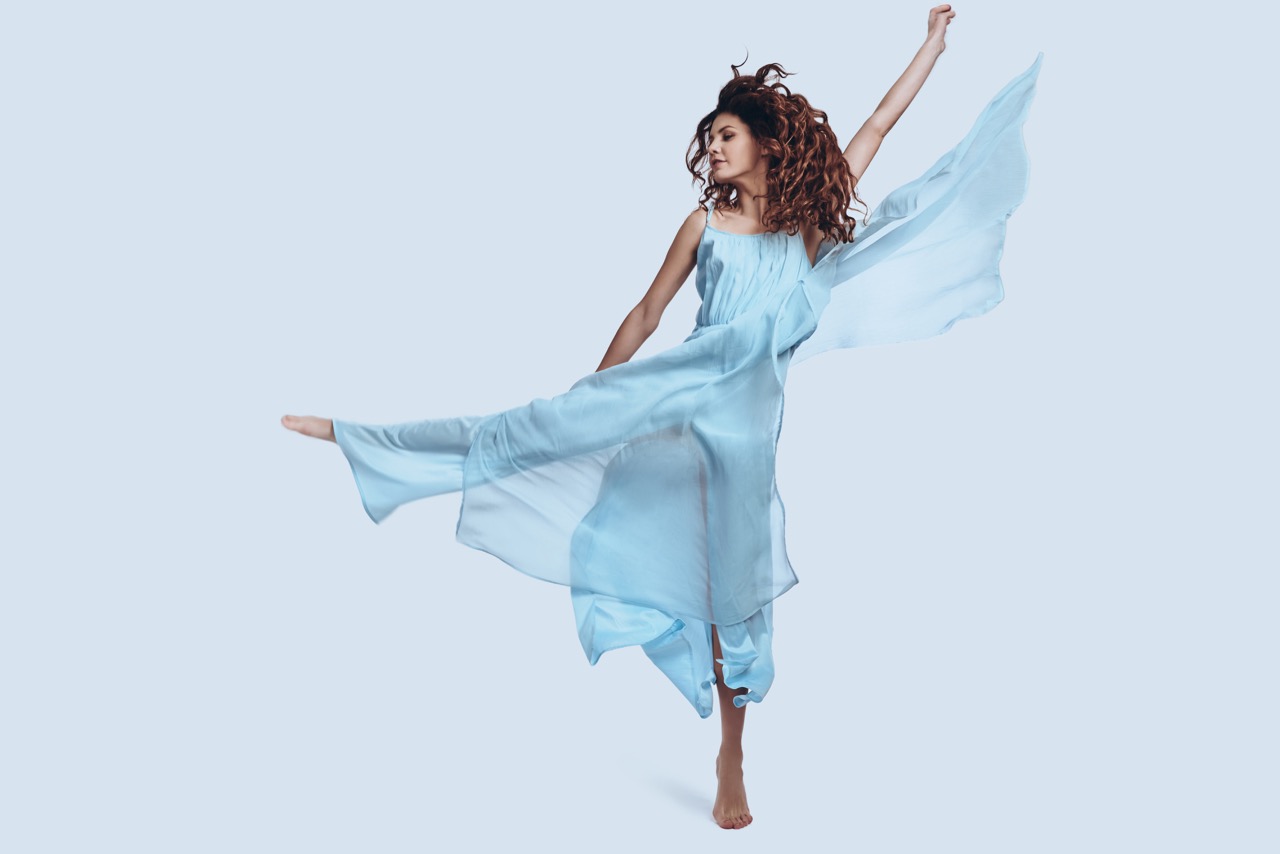
With the advent of innovative materials and design techniques, choreographers and costume designers have pushed the boundaries of traditional wing structures. From elaborate feathered capes to delicate, transparent constructs that mimic the gossamer wings of mythical creatures, the aesthetic possibilities have expanded immensely. The evolution has led to the creation of wearable art that harmonizes with the dancer’s body, becoming an integral part of the choreography itself. This transformation reflects a growing recognition of the importance of visual storytelling in dance, where wings serve as both a metaphor and an instrument of expression.
Moreover, the rise of digital media and performance art has amplified the visibility of winged costumes in dance fashion, allowing for an exchange of ideas across cultures and genres. Social media platforms have given dancers a stage to showcase their creativity, leading to a resurgence in the popularity of winged attire. This evolution speaks to a broader trend within the arts, where the fusion of traditional elements with contemporary practices creates new and dynamic forms of expression, allowing dancers to explore their imaginative realms and connect with audiences in novel ways.
Ethereal Aesthetics: How Fairy Wings Transform Movement
Fairy wings, often characterized by their lightness and intricate detailing, have a profound influence on the way dancers move. The very essence of dance is rooted in the ability to convey emotion through movement, and the addition of wings can amplify this expression. When dancers don fairy wings, they evoke a sense of playfulness and whimsy, inviting audiences to step into a world of enchantment. The visual impact of fluttering wings can enhance the storytelling aspect of a performance, capturing the audience’s imagination and transporting them to a realm of fantasy.
The physical presence of wings also alters the dancer’s spatial awareness and movement dynamics. As wings sway and flutter, they create an interplay of tension and release, encouraging dancers to explore new pathways and forms of expression. This interaction fosters a heightened sense of creativity, as performers must adapt their techniques to accommodate the added elements of costume. The result is a unique synergy between the dancer and their attire, where movement becomes a dialogue between body and wings, ultimately transcending traditional dance boundaries.
Additionally, the ethereal nature of fairy wings allows for a broader interpretation of character and emotion. Dancers can embody a sense of freedom, innocence, or even mischief, all while engaging with the transformative power of their costume. This flexibility in representation not only enriches the narrative of the performance but also enables dancers to connect with their audiences on a deeper level. Fairy wings thus serve as a bridge between the physicality of dance and the imaginative spirit of storytelling, creating a captivating experience for all involved.
Angelic Inspirations: The Intersection of Dance and Fantasy
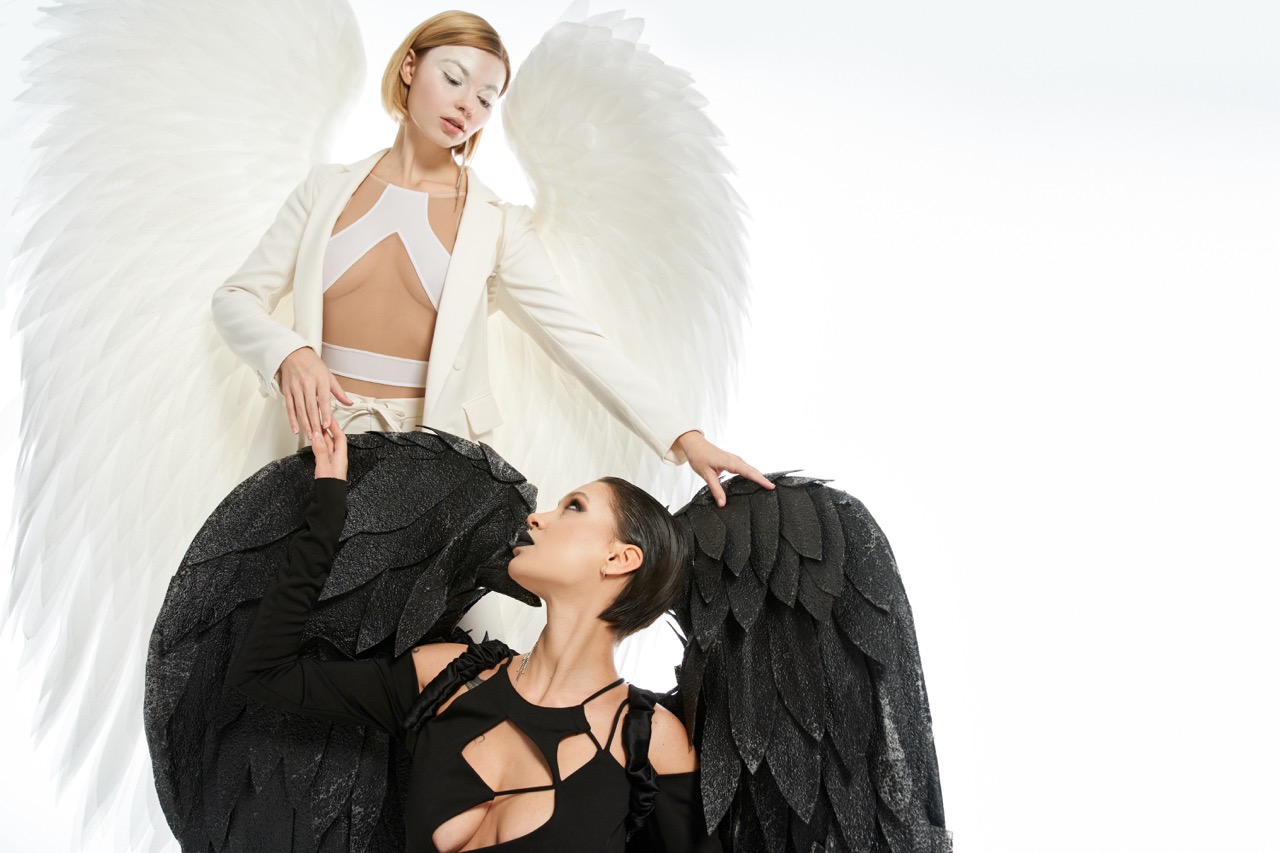
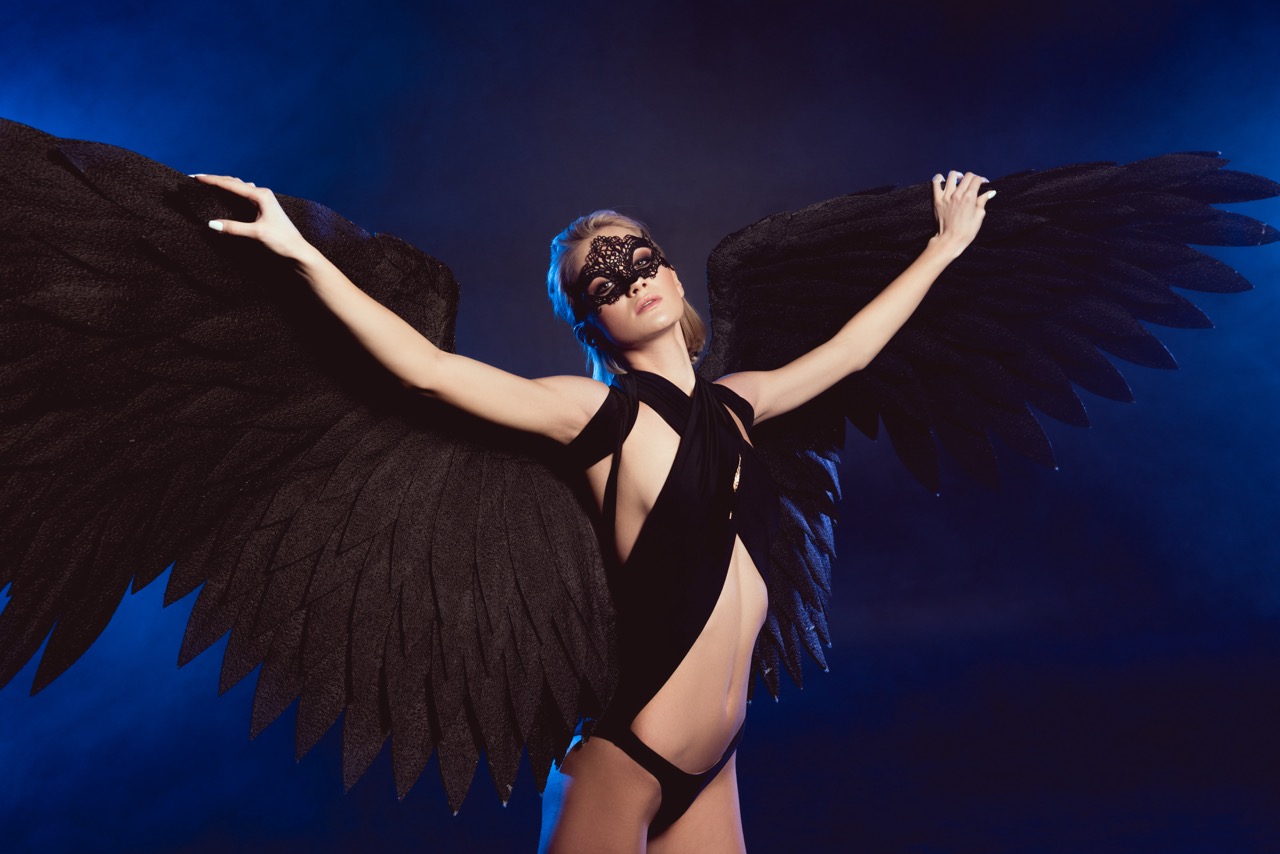
The imagery of angels has long been a source of inspiration in the world of dance. Symbolizing grace, purity, and transcendence, angelic themes resonate deeply within the art form, where dance often seeks to embody these very qualities. Wings play a pivotal role in this representation, acting as an embodiment of the divine and invoking a sense of awe in both the dancers and their audiences. The interplay of light and shadow created by angel wings can transform a performance into a celestial experience, bridging the gap between the earthly and the ethereal.
Costume designers frequently draw upon religious and cultural motifs when creating angelic attire, resulting in a diverse array of interpretations. From the opulent, feathered constructs of classical ballets to the minimalist, luminous wings of contemporary works, the versatility of angelic imagery has found a home in various dance genres. This adaptability allows dancers to explore complex themes such as redemption, love, and sacrifice, providing a rich tapestry upon which to weave their narratives. The wings, in this context, become not just an accessory but a vital element of storytelling that elevates the performance to a higher plane of artistry.
Furthermore, the intersection of dance and fantasy through angelic inspirations has fueled collaborations between choreographers and visual artists. Many recent performances have integrated multimedia elements, combining live dance with projection and installation art that features angelic imagery. This fusion creates an immersive experience that challenges traditional notions of performance, inviting audiences to engage with dance through multiple sensory lenses. As a result, angel wings have evolved beyond their conventional role, becoming symbols of artistic innovation and exploration in the realm of dance fashion.
From Stage to Street: Wings in Contemporary Dance Wear
In recent years, the influence of wings has extended beyond the confines of the stage, making their way into everyday fashion and contemporary dance wear. Designers are increasingly drawing inspiration from the ethereal aesthetics of angel and fairy wings, incorporating elements into streetwear that resonate with a broader audience. This trend reflects a shift in the cultural conversation surrounding dance, where the artistry once confined to performance is now embraced in everyday life, allowing individuals to express their own interpretations of movement and fantasy through fashion.
The rise of athleisure and the fusion of functionality with artistic design have opened new avenues for the integration of wings into contemporary dance wear. Whether through printed fabrics that feature wing motifs or detachable wing-like embellishments, dancers are finding ways to incorporate these enchanting elements into their training and practice. This accessibility not only enhances personal expression but also serves as a means of connection among dancers and enthusiasts, fostering a community that celebrates both performance and fashion.
Moreover, as the lines between performance and everyday life continue to blur, the symbolism of wings takes on new significance. They become emblems of individuality, freedom, and aspiration, resonating with those who wish to embody the spirit of flight in their daily lives. This evolving relationship between dance, fashion, and personal identity illustrates the power of wings as a versatile motif, inspiring individuals to embrace their creativity and explore the boundless possibilities of self-expression.
The influence of angel and fairy wings in dance fashion exemplifies the interconnectedness of movement, storytelling, and personal expression. From their historical roots to modern interpretations, wings have evolved into emblematic representations of fantasy and freedom within the dance community. As we witness the continued fusion of performance and contemporary fashion, wings will undoubtedly remain a significant element, inviting dancers and audiences alike to explore the magical realms of creativity and imagination. In this ever-evolving landscape, wings serve as a reminder that dance is not merely an art form, but a journey of self-discovery, connection, and boundless inspiration.