


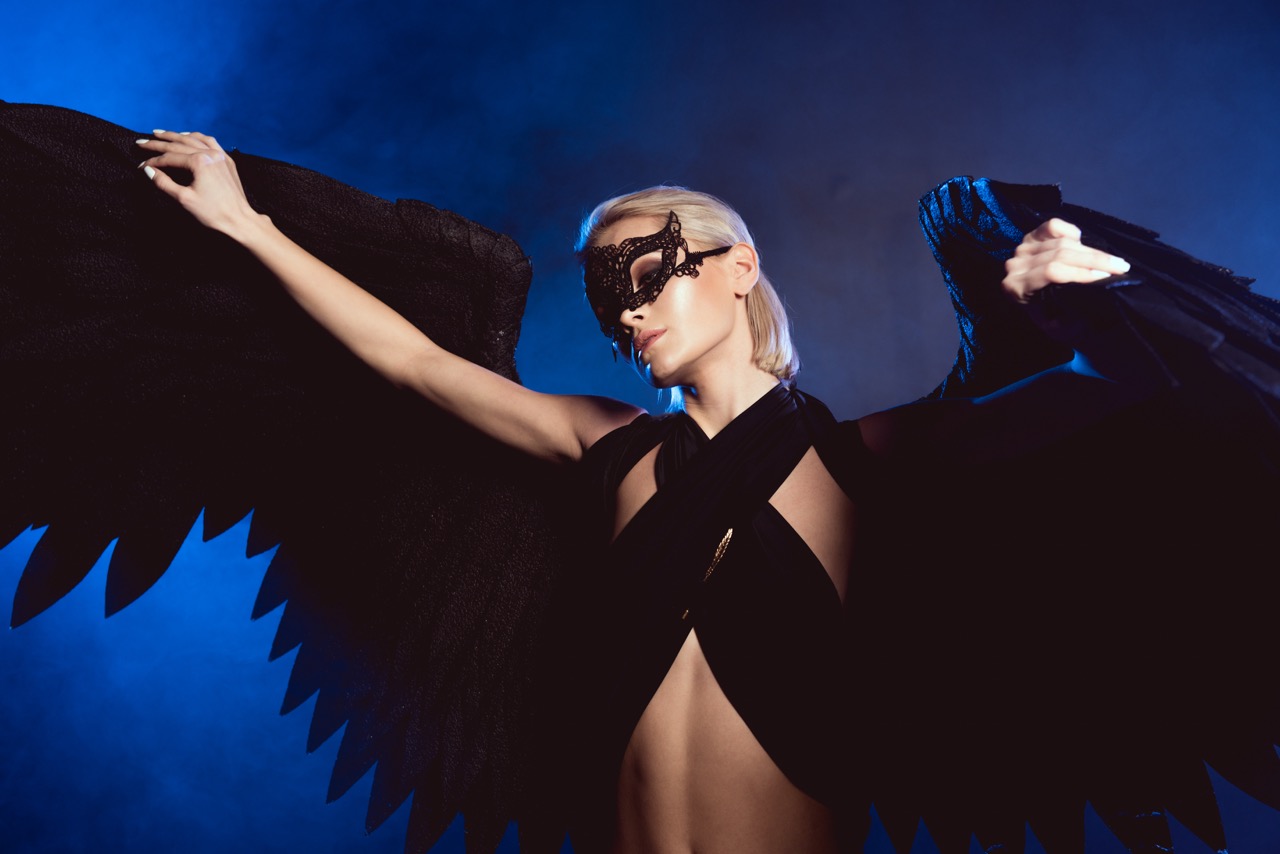
The world of fashion is an ever-evolving canvas, where creativity knows no bounds and inspiration can emerge from the most unexpected places. One of the most enchanting and visually captivating trends to have emerged in recent years is the phenomenon of dance wings. These ethereal garments, reminiscent of the fluidity and grace of dance, have fluttered their way into the hearts of designers and fashion enthusiasts alike. This article explores the history of dance wings in fashion, examining their evolution, cultural influences, iconic moments, and the future of this mesmerizing trend.
The Evolution of Dance Wings: A Trend Takes Flight
The concept of dance wings can be traced back to various cultural expressions that celebrated movement, grace, and beauty. Early renditions of the costume can be found in traditional dances from around the world, where performers donned large, flowing wing-like garments that accentuated their movements. As these forms of expression gained popularity, designers began to reinterpret these designs, leading to the emergence of modern dance wings in fashion. By the late 20th century, avant-garde designers took notice of the aesthetic potential of dance wings, incorporating them into theatrical and performance wear.
In the early 2000s, the trend began to take flight in mainstream fashion. Designers like Alexander McQueen and Issey Miyake introduced innovative techniques and materials to create stunning wing-like silhouettes, often featured in their runway shows. The fusion of high fashion with the art of dance not only pushed boundaries but also blurred the lines between costume and couture. As a result, dance wings became symbols of empowerment and freedom, allowing wearers to express their individuality through movement and style.
Today, dance wings continue to evolve, incorporating modern technologies such as 3D printing and sustainable fabrics. Fashion houses now explore the intersection of dance and technology, creating garments that can change shape and adapt to the wearer’s movements. As the trend matures, it remains rooted in the principles of fluidity and grace, while embracing the possibilities of the future. Dance wings have transitioned from traditional performance attire to a staple of contemporary fashion, showcasing a remarkable evolution that reflects changing tastes and cultural influences.
Cultural Influences Shaping Dance Wings in Fashion
The allure of dance wings in fashion is deeply intertwined with various cultural elements, each contributing to the unique aesthetics and significance of these garments. For instance, Middle Eastern dance traditions have long utilized costumes that feature flowing, wing-like extensions, which enhance the visual storytelling inherent in the dance. These influences have permeated Western fashion, where designers draw inspiration from the elegance of Middle Eastern dance, illustrating the cultural exchange that enriches global fashion narratives.
Similarly, the influence of ballet cannot be overlooked. The iconic tutus and costumes associated with ballet have inspired countless designers to incorporate elements of this dance form into their creations. The dreamy quality of tulle and silk, combined with the structured forms of ballet costumes, has created a rich tapestry of inspiration for dance wings in high fashion. This connection between dance and fashion highlights how cultural expressions can shape and redefine aesthetics, resulting in garments that resonate on multiple levels.
Moreover, the resurgence of contemporary dance and aerial performances in the past two decades has further fueled the popularity of dance wings. As these art forms gained prominence, the fashion world seized upon their visual dynamism, creating garments that not only reflect the beauty of movement but also serve as immersive experiences for the audience. The interplay between cultural traditions and modern interpretations of dance has resulted in a vibrant fashion landscape, where dance wings symbolize both heritage and innovation.
Iconic Moments: Dance Wings on Runways and Stages
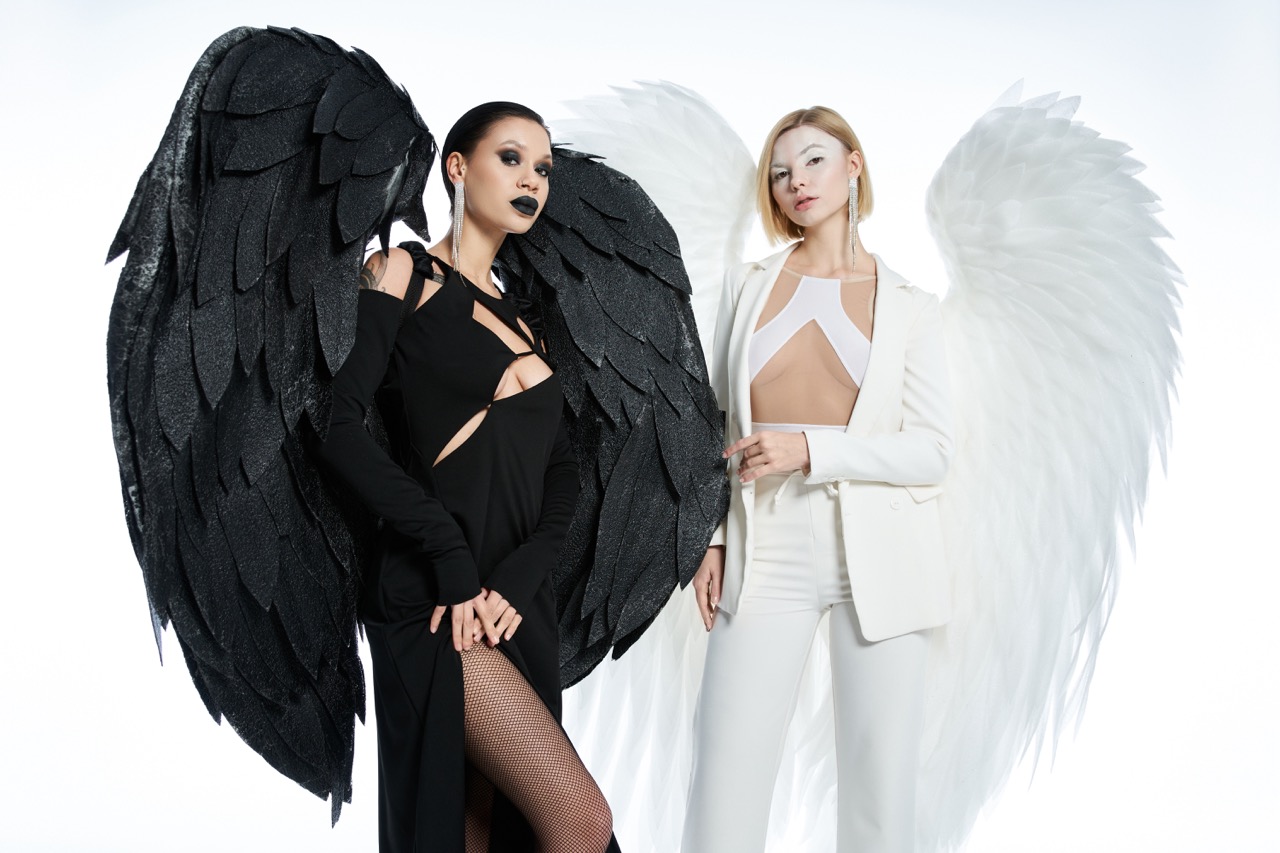
Throughout the years, dance wings have graced numerous runways and stages, becoming iconic symbols of creativity and boldness. One of the most memorable moments occurred during a 2010 Alexander McQueen show, where models adorned with extravagant feathered wings captured the audience’s imagination. The designs were not merely garments; they were a statement about transformation, blending elements of nature with the human form. This show marked a turning point for dance wings in high fashion, establishing them as a powerful medium for artistic expression.
In 2015, the Victoria’s Secret Fashion Show introduced their own interpretation of dance wings, featuring models with elaborate, gemstone-encrusted wings that echoed the beauty of ballet. This fusion of haute couture with the glamour of commercial fashion brought dance wings into the mainstream consciousness, demonstrating their versatility and appeal. The dramatic silhouettes and vibrant colors captivated viewers, further cementing the wings’ status as a staple in contemporary fashion.
Additionally, dance wings have found their way into music performances, with artists like Lady Gaga and Beyoncé using them as part of their stage outfits. These bold choices not only enhance the visual spectacle of the performances but also connect the worlds of fashion and music in ways that resonate with audiences. Iconic moments like these highlight the transformative power of dance wings, serving as a reminder that fashion is not merely about clothing; it is about storytelling, emotion, and the celebration of life.
The Future of Dance Wings: Innovation Meets Tradition
As we look to the future of dance wings in fashion, it is clear that innovation will play a crucial role in shaping their evolution. Designers are increasingly embracing technology, incorporating features such as LED lights, interactive elements, and sustainable materials to create garments that transcend traditional boundaries. This fusion of innovation and artistry allows for an unprecedented level of creativity, where dance wings not only enhance movement but also engage viewers in new and exciting ways.
Moreover, the growing emphasis on sustainability within the fashion industry presents an opportunity for dance wings to evolve. Designers are exploring eco-friendly materials and ethical production processes, ensuring that the beauty of these garments does not come at the expense of the environment. As consumers become more conscious of their choices, the demand for sustainable fashion will likely drive the future of dance wings towards more responsible practices, merging artistry with environmental stewardship.
Finally, the cultural significance of dance wings will continue to evolve, reflecting societal changes and shifting aesthetics. As dance becomes an increasingly global phenomenon, designers will likely draw inspiration from diverse cultures and traditions, leading to innovative interpretations that celebrate both heritage and modernity. The future of dance wings in fashion is a promising one, where innovation meets tradition, creating a vibrant and dynamic landscape that captivates the imagination and inspires generations to come.
The journey of dance wings in fashion is a testament to the power of creativity, cultural exchange, and artistic innovation. From their origins in traditional dance to their current status as a symbol of high fashion, dance wings have transcended boundaries, captivating audiences and wearers alike. As we move forward, it will be fascinating to see how this enchanting trend continues to evolve, reflecting the ever-changing landscape of fashion and the enduring spirit of dance. The future is bright for dance wings, as they take flight into new realms of artistry and expression, leaving us eagerly anticipating what comes next.